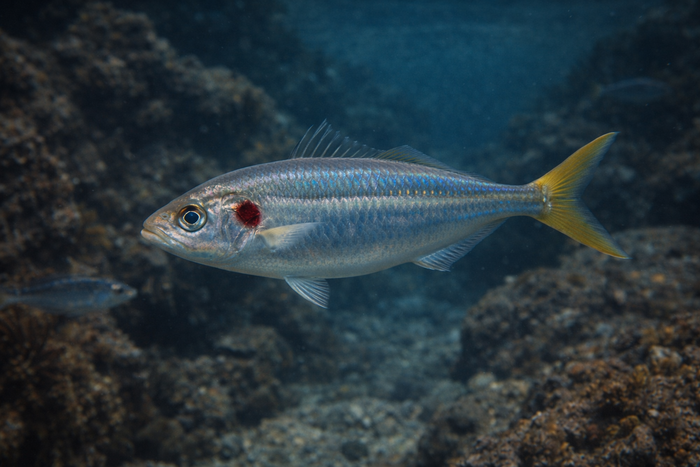
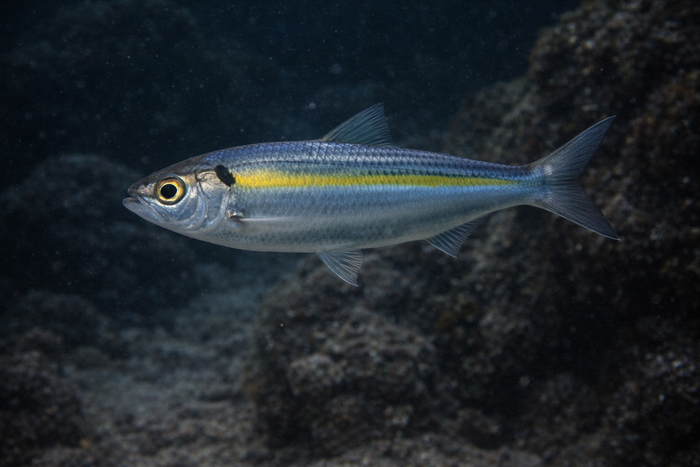
Gulf Menhaden (Brevoortia patronus): The Unsung Powerhouse of the Gulf Coast
The Gulf Menhaden is not your average bait fish. This silvery, schooling species dominates the Gulf of Mexico’s coastal waters, playing a pivotal role in both the ecosystem and commercial fishing industries. Known scientifically as Brevoortia patronus, the Gulf Menhaden might not grab headlines like a tarpon or redfish, but its impact is massive. Understanding Gulf Menhaden facts reveals a story of survival, ecological balance, and economic significance that deserves more attention.
What Makes the Gulf Menhaden Unique?
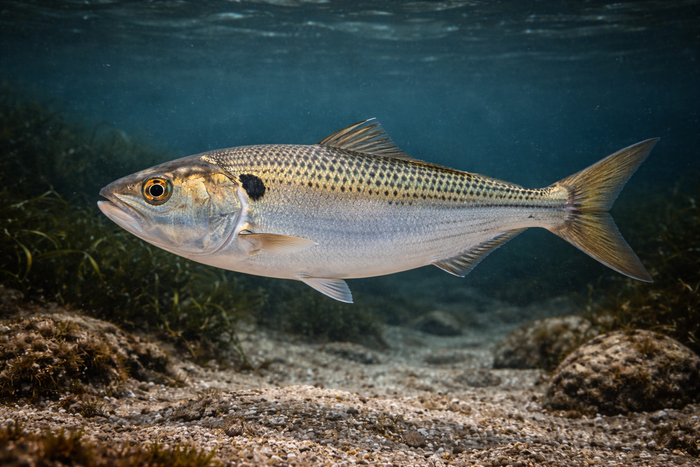
Gulf Menhaden stand out for their sheer numbers and their filter-feeding lifestyle. Unlike many fish that hunt prey, menhaden filter plankton from the water, acting as living water purifiers. Their specialized gill rakers trap microscopic algae and zooplankton, making them efficient converters of ocean productivity into biomass. This feeding strategy places them at a critical junction in the food web, turning tiny organisms into a feast for larger predators.
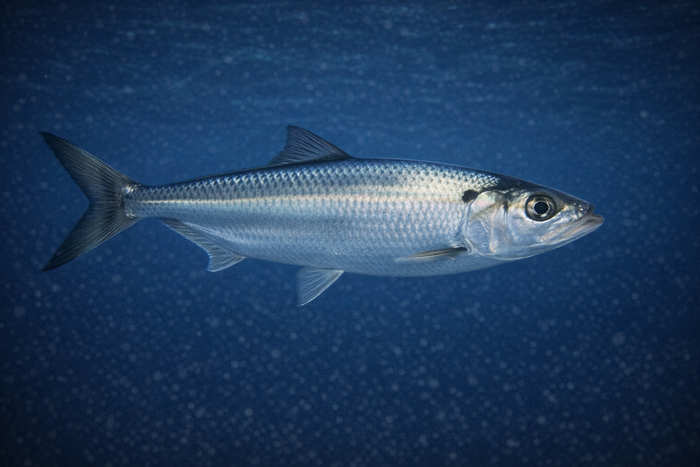
Another unique trait is their schooling behavior. Gulf Menhaden form dense, synchronized schools that can stretch for miles. This collective movement confuses predators and maximizes feeding efficiency. Their silvery bodies reflect light in a way that makes the school appear as a shimmering, moving mass—nature’s own optical illusion.
Habitat & Global Range
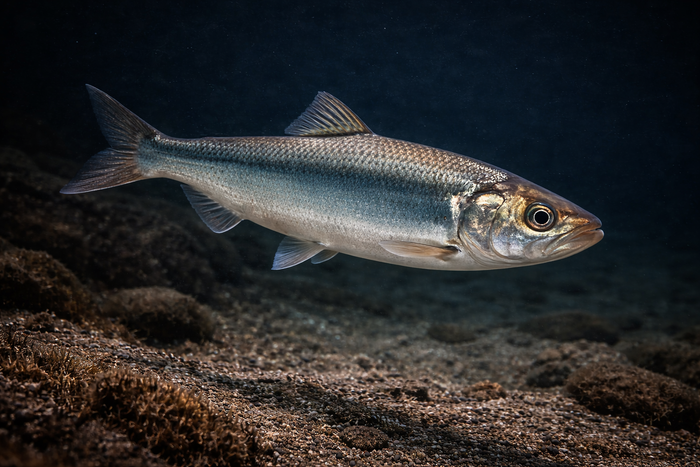
Gulf Menhaden habitat is primarily coastal and estuarine waters throughout the Gulf of Mexico, from Texas to Florida. They prefer shallow, nutrient-rich waters where plankton blooms are abundant. These fish thrive in brackish environments, often moving between freshwater inflows and saltwater bays, which supports their plankton-based diet.
Spawning occurs offshore in the Gulf, with larvae drifting into estuaries where juveniles grow before returning to open waters. This life cycle ties them closely to both marine and estuarine environments, making them indicators of coastal ecosystem health. Their range is relatively restricted compared to other menhaden species, but within the Gulf, they are ubiquitous.
Behavior & Temperament
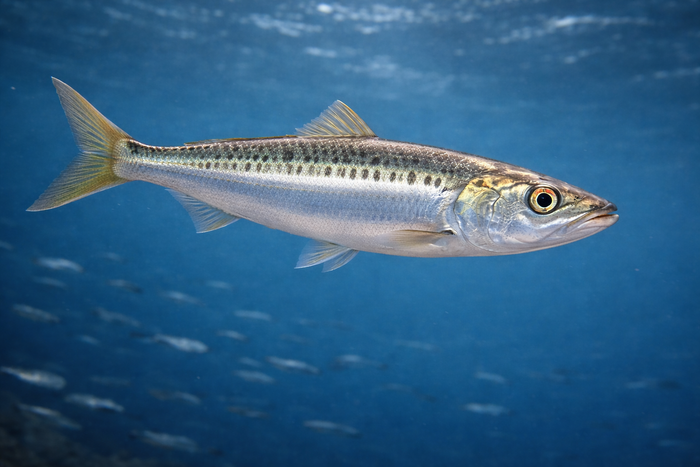
Gulf Menhaden are classic schooling fish with a strong survival instinct. Their primary defense is numbers—large schools reduce individual risk from predators like striped bass, bluefish, and dolphins. When threatened, menhaden can change direction rapidly, creating a mesmerizing ripple effect that disorients attackers.
They are filter feeders, so their behavior revolves around following plankton blooms. This means they are constantly on the move, tracking water currents and nutrient flows. Their feeding is passive but relentless, filtering thousands of gallons of water daily. Despite their small size and non-aggressive nature, their presence commands respect in the food chain.
Ecological Importance
If the Gulf Menhaden were removed from the Gulf ecosystem, the consequences would be catastrophic. They are a keystone species, meaning their role disproportionately influences the health of the entire environment. By consuming plankton, they help regulate algal blooms, which can otherwise lead to hypoxic dead zones.
More importantly, they serve as a primary food source for a wide array of predators. Commercially important fish, seabirds, and marine mammals rely heavily on menhaden for sustenance. Their biomass supports the Gulf’s rich biodiversity and maintains the balance between plankton populations and higher trophic levels.
Conservation & Environmental Pressures
Despite their abundance, Gulf Menhaden face pressures from overfishing and environmental changes. They are heavily harvested for fishmeal, fish oil, and bait, industries that demand millions of pounds annually. While current management practices aim to keep populations sustainable, habitat degradation from coastal development and pollution threatens nursery areas.
Climate change adds another layer of complexity, altering water temperatures and plankton availability. These shifts could impact menhaden growth rates and distribution, with ripple effects throughout the Gulf ecosystem. Conservation efforts focus on maintaining healthy estuaries and enforcing fishing quotas to ensure that Gulf Menhaden populations remain robust.
The FishyAF Take
The Gulf Menhaden is the Gulf Coast’s unsung MVP. It’s not flashy, it’s not a trophy fish, but it’s the backbone of the marine food web and a linchpin in commercial fisheries. Understanding Gulf Menhaden facts and habitat is crucial for anyone serious about Gulf ecology or fishing. These fish filter-feed their way into ecological and economic importance, proving that sometimes the smallest players carry the heaviest weight.
Ignore the Gulf Menhaden at your own peril. They are a reminder that in the ocean, power often comes in schools—and that the health of the Gulf hinges on the survival of this humble, shimmering fish.