Blueback Herring (Alosa aestivalis): The Silver Bullet of Eastern Waters
The Blueback Herring is a sleek, silver-bodied fish with a name as straightforward as its appearance. Known scientifically as Alosa aestivalis, this species is a key player in the coastal and freshwater ecosystems of the eastern United States. Often overshadowed by its more famous relatives like the alewife, the Blueback Herring deserves attention for its ecological role, unique behaviors, and the challenges it faces in a changing environment. If you’re diving into Blueback Herring facts, get ready to learn about a fish that’s as vital as it is underappreciated.
What Makes the Blueback Herring Unique?
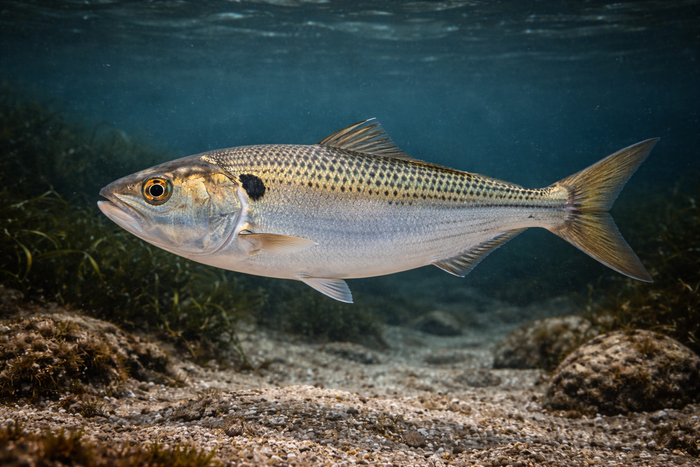
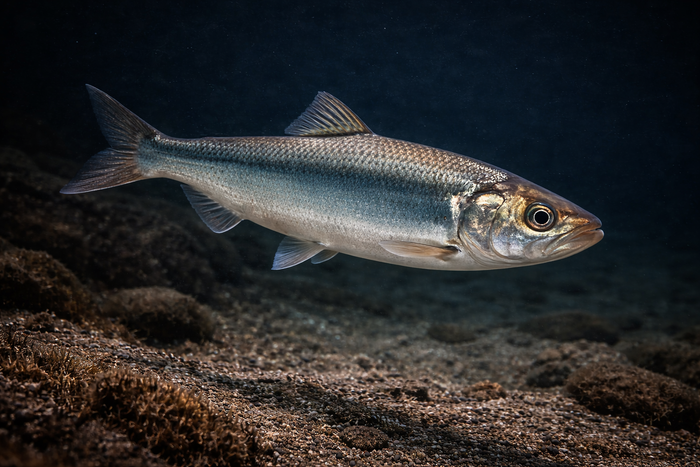
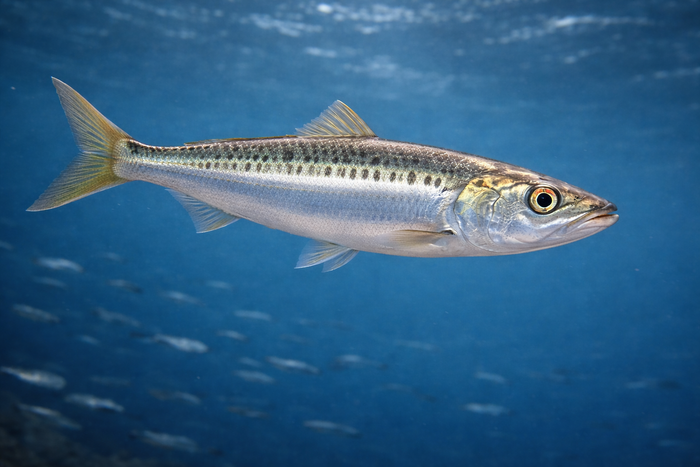
At first glance, the Blueback Herring looks like your average shad or herring—silver sides, a bluish back, and a streamlined body built for speed. But what sets it apart is its spawning behavior and subtle anatomical features. Unlike many fish, Blueback Herrings are anadromous, meaning they live most of their lives in saltwater but migrate to freshwater to spawn. Their spawning runs are a spectacle of timing and endurance, often occurring in spring when water temperatures hit the sweet spot for egg development.
Anatomically, Blueback Herrings have a distinctive dark blue or greenish back that contrasts sharply with their silvery sides. Their scales are large and easily shed, a defense mechanism against predators. They also have a single dorsal fin and a deeply forked tail, perfect for quick bursts of speed to evade threats. These fish are filter feeders during their juvenile stages, consuming plankton, but as adults, they shift to a diet of small fish and invertebrates, showcasing dietary flexibility that helps them thrive in varied environments.
Habitat & Global Range
Blueback Herring habitat spans the Atlantic coast of North America, from Nova Scotia down to Florida. They are primarily found in coastal waters but make annual migrations into freshwater rivers and streams to spawn. This dual habitat use means they require healthy estuaries and river systems to complete their life cycle.
Their spawning grounds are typically in cool, well-oxygenated freshwater streams with gravel or sandy bottoms. These conditions are crucial for egg survival and juvenile development. Blueback Herrings prefer habitats with minimal pollution and moderate flow rates, which help disperse eggs and larvae while providing protection from predators.
Understanding Blueback Herring habitat is essential for conservation efforts. Their reliance on both marine and freshwater environments makes them vulnerable to a wide range of human impacts, from coastal development to river damming.
Behavior & Temperament
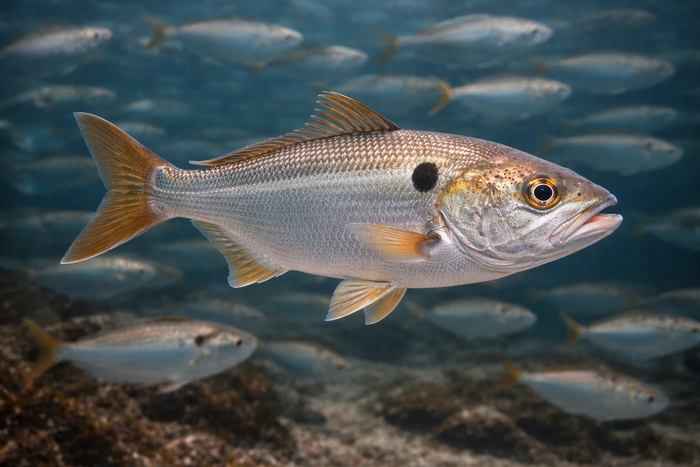
Blueback Herrings are schooling fish, often found in large groups that move in synchrony. This schooling behavior reduces individual predation risk and increases foraging efficiency. During their spawning runs, they become highly focused and driven, navigating upstream obstacles with remarkable persistence.
Despite their schooling nature, Blueback Herrings are not aggressive. They exhibit a generally passive temperament, avoiding confrontation and relying on speed and numbers to survive. Their migration timing is finely tuned to environmental cues like water temperature and flow, demonstrating an impressive sensitivity to their habitat.
Juveniles stay close to the shore and estuaries, feeding on plankton and small invertebrates, while adults venture further offshore. This shift in habitat and diet reflects their adaptability and helps reduce competition between life stages.
Ecological Importance
Blueback Herrings are a cornerstone species in their ecosystems. They serve as a critical food source for a variety of predators, including larger fish, birds, and marine mammals. Their spawning runs provide a seasonal nutrient boost to freshwater systems, supporting a diverse array of aquatic life.
By consuming plankton and small invertebrates, Blueback Herrings help regulate these populations, maintaining ecological balance. Their role as both predator and prey makes them an integral link in the food web, connecting marine and freshwater environments.
Moreover, their spawning migrations contribute to nutrient cycling. When adult herrings die after spawning, their decomposing bodies release nutrients that fertilize river ecosystems, supporting algae and invertebrate growth, which in turn sustains other fish species.
Conservation & Environmental Pressures
Blueback Herrings face significant conservation challenges. Habitat fragmentation caused by dams and other barriers disrupts their spawning migrations, reducing reproductive success. Pollution, especially from agricultural runoff and urban waste, degrades water quality in both their marine and freshwater habitats.
Overfishing, although less intense than for some other herring species, still poses a threat in certain regions. Bycatch in commercial fisheries can also impact populations. Climate change adds another layer of complexity, altering water temperatures and flow patterns, which can throw off the timing of spawning runs.
Efforts to conserve Blueback Herrings focus on restoring river connectivity, improving water quality, and monitoring populations to ensure sustainable harvest levels. Protecting estuaries and coastal habitats is equally important, given their role in the fish’s life cycle.
The FishyAF Take
Blueback Herrings don’t get the spotlight they deserve, but they’re a powerhouse species bridging ocean and river ecosystems. Their life story is a masterclass in adaptation and resilience, navigating the challenges of two very different worlds. If you care about healthy fisheries, clean rivers, and balanced ecosystems, you need to care about Blueback Herrings.
They’re more than just bait fish or a seasonal spectacle. They’re vital threads in the fabric of eastern North American watersheds. Protecting them means protecting a whole network of life that depends on their presence. So next time you hear about Blueback Herring habitat or catch a glimpse of their shimmering schools, remember you’re witnessing a fish that’s quietly shaping the future of aquatic ecosystems.