Striped Burr Fish (Chilomycterus schoepfii): Nature’s Spiky Puzzle with a Striped Twist
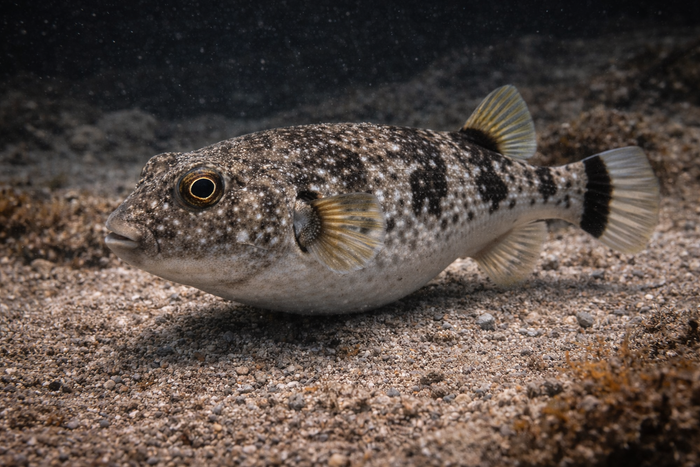
The Striped Burr Fish is not your average reef dweller. Sporting a body covered in sharp, rigid spines and a striking pattern of bold stripes, this fish commands attention both visually and behaviorally. It’s a master of defense and subtle intimidation, blending a unique look with survival tactics that make it a standout in the marine world. If you’re diving into Striped Burr Fish facts, prepare for a creature that’s as intriguing as it is prickly.
What Makes the Striped Burr Fish Unique?
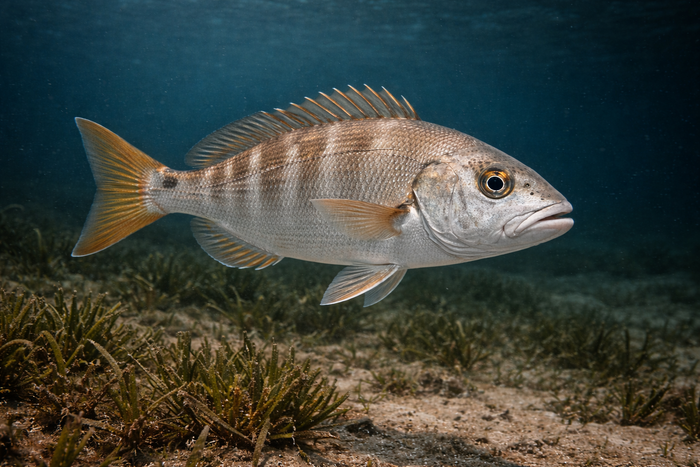
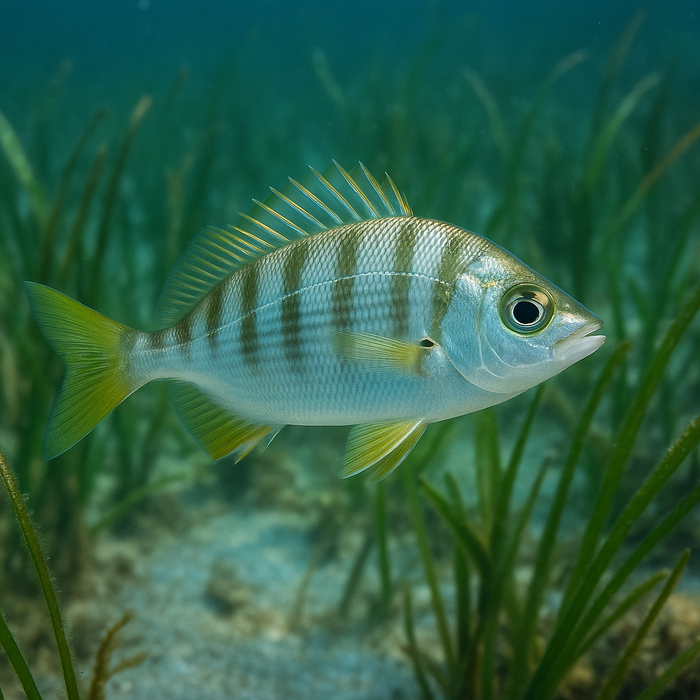
The defining feature of the Striped Burr Fish is its armor of spines. Unlike many fish that rely on speed or camouflage, this species opts for a full-body defense system. When threatened, it inflates by swallowing water or air, turning into a spiky balloon that’s hard to swallow and even harder to ignore. The stripes running along its body aren’t just for show—they break up its outline in the dappled light of shallow waters, providing a subtle form of camouflage.
Its teeth are another highlight. Designed for crushing hard-shelled prey like mollusks and crustaceans, the Striped Burr Fish has a beak-like dental structure that’s both efficient and intimidating. This adaptation allows it to exploit food sources that many other fish avoid, giving it a niche advantage.
Habitat & Global Range
The Striped Burr Fish calls the western Atlantic home, ranging from the coastal waters of North Carolina down through the Gulf of Mexico and the Caribbean, extending as far south as Brazil. Its preferred Striped Burr Fish habitat includes shallow reefs, seagrass beds, and rocky bottoms where it can find ample food and shelter.
This species favors warm, temperate to tropical waters, often sticking close to the bottom where it can blend into the complex textures of coral and rock. It’s not a deep-water dweller; instead, it thrives in environments rich in hiding spots and food variety. Its presence in these ecosystems is a testament to its adaptability and specialized feeding habits.
Behavior & Temperament
Don’t expect the Striped Burr Fish to be a social butterfly. It’s mostly solitary, patrolling its territory with a slow, deliberate style. When it senses danger, it inflates, presenting a spiny, unappetizing profile that deters predators. This inflation is more than a bluff; it’s a genuine defense mechanism that can make the fish appear twice its normal size.
Despite its prickly exterior, the Striped Burr Fish isn’t aggressive. It prefers to avoid confrontation, relying on its spines and inflation to keep threats at bay. Its slow movements and cautious nature make it a low-energy predator, patiently hunting for crustaceans and mollusks with its powerful jaws.
Ecological Importance
The Striped Burr Fish plays a crucial role in controlling populations of hard-shelled invertebrates. By feeding on these creatures, it helps maintain a balance in reef ecosystems, preventing any one species from dominating and disrupting the habitat. This predation supports coral health indirectly by limiting the numbers of organisms that might otherwise damage reef structures.
Additionally, the Striped Burr Fish serves as prey for larger predators, contributing to the food web dynamics of its environment. Its unique defense mechanisms influence predator-prey interactions, adding complexity to the ecosystem’s balance.
Conservation & Environmental Pressures
While not currently listed as endangered, the Striped Burr Fish faces typical coastal threats. Habitat degradation from pollution, coastal development, and climate change impacts like coral bleaching pose risks to its preferred environments. Overfishing isn’t a major issue for this species, but bycatch and habitat disturbance can affect local populations.
Protecting Striped Burr Fish habitat means preserving the integrity of shallow reefs and seagrass beds. Conservation efforts aimed at reducing pollution and managing coastal development will benefit this species and countless others sharing its environment.
The FishyAF Take
The Striped Burr Fish is a fascinating example of nature’s innovation. Its combination of physical defenses, specialized diet, and habitat preferences make it a standout species worth paying attention to. For anyone interested in marine life, understanding Striped Burr Fish facts offers insight into how evolution crafts survival strategies that are both effective and visually striking.
This fish isn’t just a curiosity; it’s a vital part of its ecosystem, quietly maintaining balance while sporting one of the most memorable looks in the ocean. Keep an eye out for this spiky, striped character next time you’re exploring shallow reefs—it’s a living reminder that sometimes, the best defense is a bold, unmistakable presence.