Atlantic Wrymouth (Cryptacanthodes maculatus): The Ocean’s Slithering Houdini with a Face You Won’t Forget
The Atlantic Wrymouth is not your average fish. With its elongated, eel-like body and a face that looks like it’s perpetually scowling, this species stands out in the crowded underwater world. Known scientifically as Cryptacanthodes maculatus, the Atlantic Wrymouth is a master of disguise and survival, carving out a niche in the cold waters of the North Atlantic. If you think you know bottom-dwellers, think again. This fish combines bizarre looks with fascinating behavior, making it a subject worth diving into.
What Makes the Atlantic Wrymouth Unique?
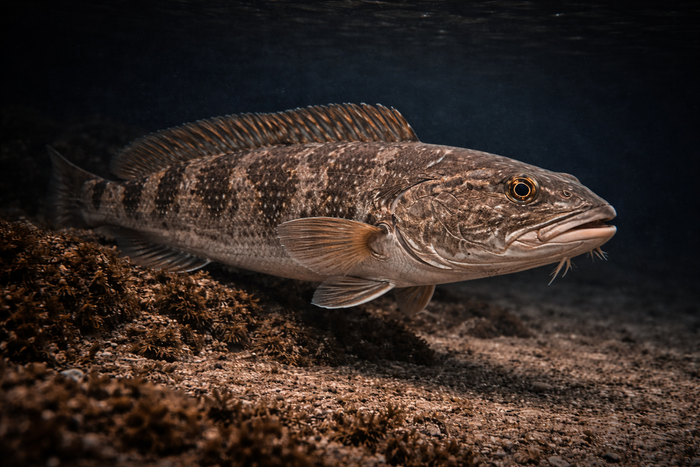
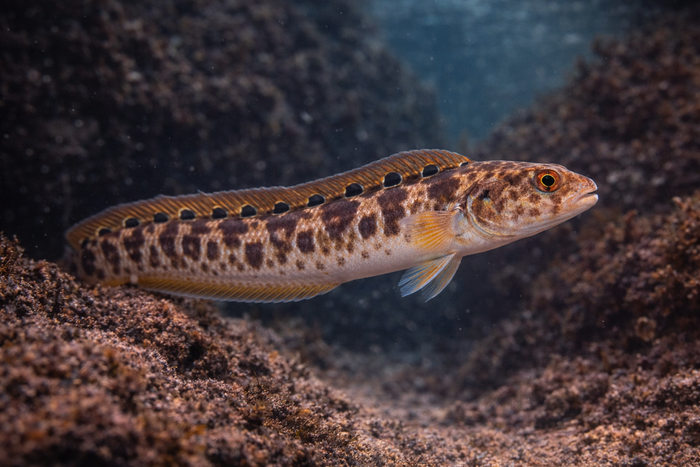
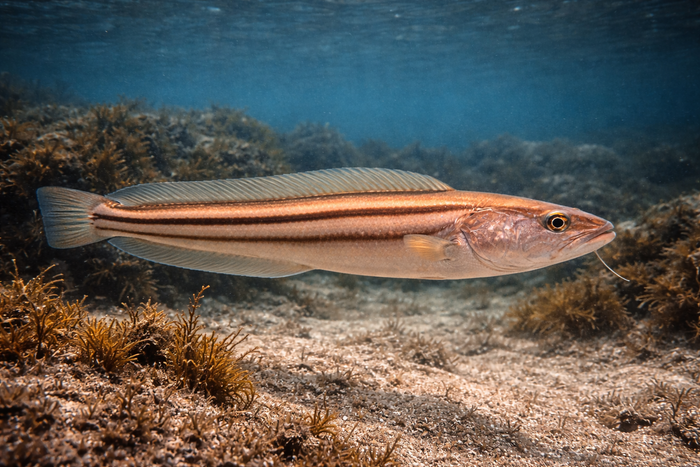
First off, the Atlantic Wrymouth’s body shape is a standout. It’s long, slender, and snake-like, which allows it to slip into tight crevices and burrows with ease. Unlike typical fish that swim openly, the wrymouth prefers to hide, using its body to navigate complex underwater structures. Its skin is scaleless and covered in a slimy mucus layer, which reduces friction and helps it slip through sand and mud.
The head is where things get truly memorable. The Atlantic Wrymouth has a large, broad head with a wide mouth filled with small, sharp teeth. Its eyes are relatively small, hinting that vision isn’t its primary sense. Instead, it relies heavily on touch and chemical cues to hunt and avoid predators. The species name, maculatus, refers to the spotted pattern along its body, which provides camouflage against the ocean floor.
Habitat & Global Range
The Atlantic Wrymouth calls the North Atlantic home, ranging from the cold waters off Newfoundland and Labrador down to the mid-Atlantic coast of the United States. Its preferred Atlantic Wrymouth habitat is shallow coastal waters, typically between 10 and 200 meters deep. It favors soft substrates like sandy or muddy bottoms where it can burrow and create its lair.
This fish is a benthic specialist, meaning it lives and feeds near or on the ocean floor. It’s often found in areas with plenty of hiding spots, such as rocky reefs, eelgrass beds, and shell hash. The Atlantic Wrymouth’s ability to burrow into sediment gives it an edge in these environments, allowing it to avoid predators and ambush prey.
Behavior & Temperament
The Atlantic Wrymouth is a solitary and secretive creature. It spends most of its time hiding in burrows or crevices, rarely venturing into open water. Its behavior is all about stealth and patience. When hunting, it lies in wait for unsuspecting prey like small crustaceans, worms, and other invertebrates to come close. Then, with a quick snap of its jaws, it secures its meal.
Despite its somewhat intimidating appearance, the Atlantic Wrymouth is not aggressive toward divers or larger fish. It prefers to retreat rather than confront threats. Its burrowing behavior also serves as a defense mechanism, allowing it to disappear beneath the sediment when danger approaches.
Reproduction is another interesting aspect. Atlantic Wrymouths are believed to spawn in the spring and summer months. Females lay eggs in burrows, where males guard them until they hatch. This parental care is relatively rare among fish and highlights the species’ investment in offspring survival.
Ecological Importance
The Atlantic Wrymouth plays a subtle but important role in its ecosystem. As a predator of benthic invertebrates, it helps regulate populations of worms, crustaceans, and other small organisms. This predation maintains a balance in the sediment community, preventing any one species from dominating and disrupting the habitat.
Its burrowing activity also contributes to sediment turnover and aeration. By digging and moving through the substrate, the Atlantic Wrymouth helps oxygenate the ocean floor, which benefits other bottom-dwelling creatures. This bioturbation can enhance nutrient cycling and overall ecosystem health.
Additionally, the Atlantic Wrymouth serves as prey for larger fish, seabirds, and marine mammals. Its presence in the food web supports higher trophic levels, making it a vital link in coastal marine environments.
Conservation & Environmental Pressures
Currently, the Atlantic Wrymouth is not listed as threatened or endangered, but that doesn’t mean it’s free from challenges. Coastal development, pollution, and habitat degradation pose risks to its preferred habitats. Sediment disruption from dredging and trawling can destroy burrows and reduce available shelter.
Climate change adds another layer of uncertainty. Shifts in water temperature and chemistry could impact the distribution of the Atlantic Wrymouth habitat, potentially forcing populations to move or adapt. Ocean acidification may also affect the invertebrate prey base, indirectly influencing the species’ survival.
Monitoring Atlantic Wrymouth populations and protecting critical habitats are essential steps to ensure this unique fish continues to thrive. Maintaining healthy coastal ecosystems benefits not only the wrymouth but countless other marine species.
The FishyAF Take
The Atlantic Wrymouth is a prime example of how evolution crafts creatures perfectly suited to their environment. Its eel-like form, burrowing lifestyle, and cryptic behavior make it a fascinating subject for anyone interested in marine biology or Atlantic Wrymouth facts. This fish doesn’t scream for attention but rewards those who look closely with a glimpse into the complex dance of life on the ocean floor.
If you’re exploring Atlantic Wrymouth habitat, remember you’re stepping into a world where subtlety rules and survival depends on blending in and knowing when to strike. The Atlantic Wrymouth may not be flashy, but it’s a master of its domain—an unsung hero of the benthic community that deserves more recognition. Keep an eye out for this slippery Houdini next time you’re diving or fishing in the North Atlantic. It’s a reminder that the ocean’s weird and wonderful creatures are often hiding in plain sight.