Crested Goby (Lophogobius cyprinoides): The Small Fish with a Big Attitude and an Even Bigger Crest
The Crested Goby, scientifically known as Lophogobius cyprinoides, is a standout among gobies. It’s not just another bottom-dweller; this fish commands attention with its distinctive crest and bold presence. Found in coastal waters, it’s a species that combines subtle beauty with fascinating behavior. For anyone interested in goby species or coastal marine life, the Crested Goby offers a compelling study in adaptation and survival.
What Makes the Crested Goby Unique?
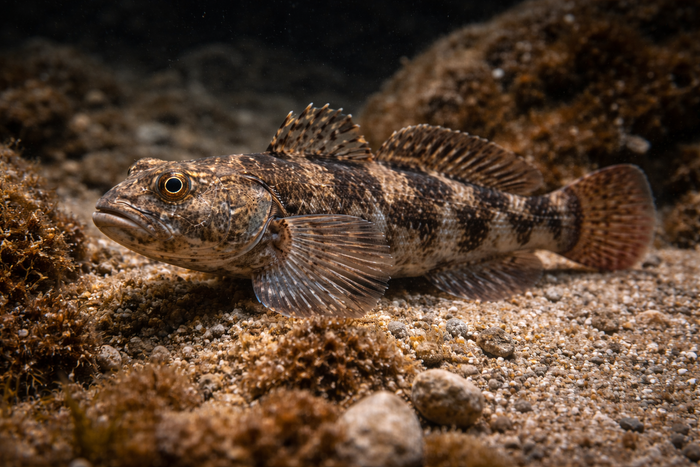
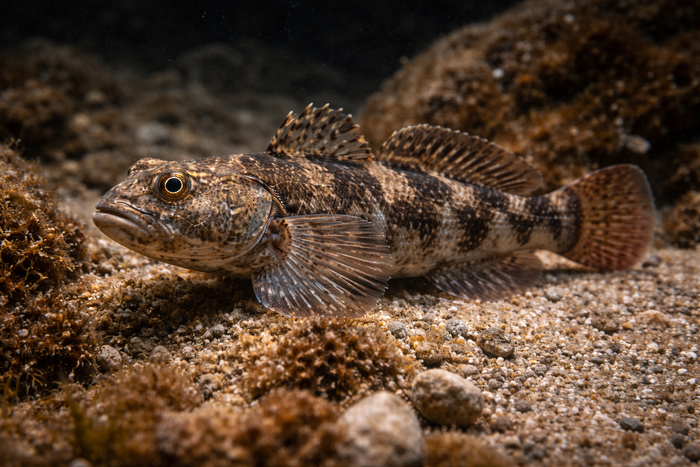
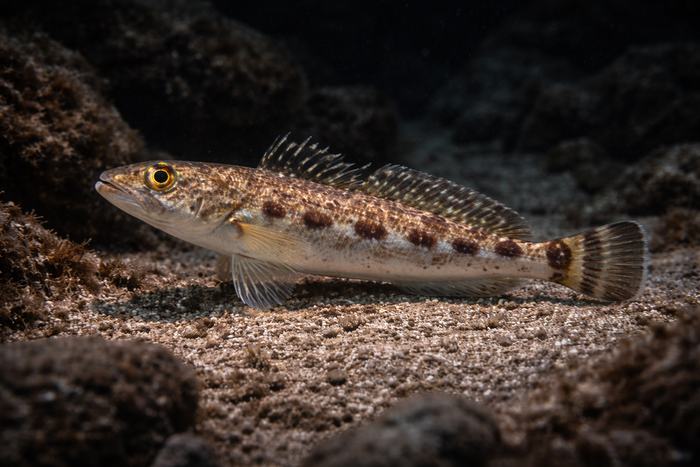
The defining feature of the Crested Goby is its prominent, sail-like crest that rises from the top of its head. This isn’t just for show. The crest plays a role in communication and mating displays, making it a key part of the fish’s social toolkit. Unlike many gobies that blend into their surroundings, the Crested Goby’s crest gives it a memorable silhouette.
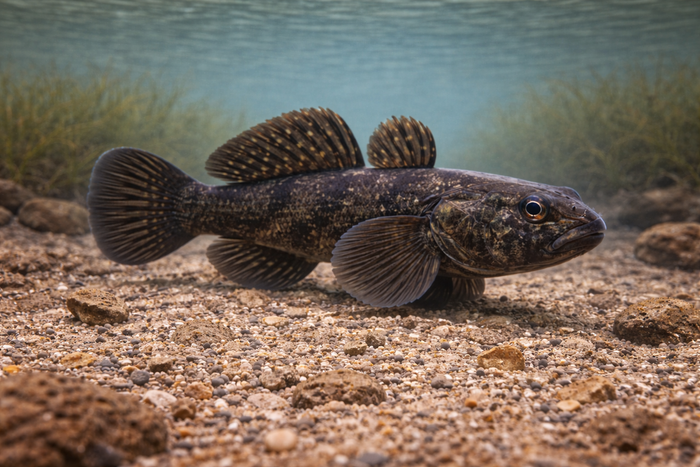
Beyond its crest, this goby has a sleek, elongated body with subtle color variations that help it blend into rocky and coral environments. Its eyes sit high on its head, providing a wide field of vision to spot predators and prey alike. The Crested Goby’s fins are adapted for clinging to surfaces in turbulent waters, giving it an edge in its often rough coastal habitat.
Habitat & Global Range
The Crested Goby is a coastal specialist, thriving in shallow marine environments where rocky substrates, coral reefs, and seagrass beds intersect. Its range spans the eastern Pacific, from the southern United States down through Central America and into parts of northern South America. This distribution highlights its preference for warm, tropical to subtropical waters.
Crested Goby habitat is typically characterized by complex structures that offer plenty of hiding spots. Rocky crevices and coral outcrops provide shelter from predators and strong currents. The species is often found in tidal pools and nearshore reefs, where it can exploit abundant food resources while avoiding larger predators.
Behavior & Temperament
This goby is territorial and displays a surprising level of boldness for its size. Males use their crest to intimidate rivals and attract females, often engaging in ritualized displays that involve flaring fins and body posturing. These behaviors are not just for show; they establish dominance hierarchies and secure breeding rights.
The Crested Goby is primarily benthic, spending much of its time perched on rocks or coral. It feeds on small invertebrates, algae, and detritus, using quick darting movements to snatch prey. Despite its territorial nature, it can coexist with other gobies and reef fish, provided space is respected.
Its temperament is a mix of cautious vigilance and assertive defense. It’s not a fish to back down easily, but it knows when to vanish into a crevice. This balance of aggression and prudence makes it a fascinating subject for behavioral studies.
Ecological Importance
The Crested Goby plays a vital role in its ecosystem. As a predator of small invertebrates, it helps control populations of crustaceans and worms, contributing to the balance of the reef community. Its feeding habits also aid in the breakdown of organic material, supporting nutrient cycling.
Moreover, the Crested Goby serves as prey for larger fish and marine birds, linking lower and higher trophic levels. Its presence indicates healthy reef systems, as it relies on complex habitats that are sensitive to environmental changes.
By occupying a niche that involves both predation and being prey, the Crested Goby maintains the dynamic equilibrium necessary for vibrant coastal ecosystems.
Conservation & Environmental Pressures
While not currently listed as endangered, the Crested Goby faces threats common to many coastal species. Habitat degradation from pollution, coastal development, and destructive fishing practices impacts its populations. Coral reef decline and seagrass bed loss reduce the available shelter and food sources critical to its survival.
Climate change adds another layer of pressure, with rising sea temperatures and ocean acidification altering the delicate balance of reef ecosystems. These changes can affect the Crested Goby’s breeding cycles and food availability.
Conservation efforts focused on protecting coastal habitats and improving water quality indirectly benefit the Crested Goby. Maintaining healthy reef systems is essential for preserving this species and the broader marine biodiversity it supports.
The FishyAF Take
The Crested Goby is a prime example of how even the smallest fish can pack a punch in the marine world. Its distinctive crest isn’t just a quirky feature; it’s a symbol of its adaptability and social complexity. This fish thrives in challenging environments, balancing boldness with survival instincts.
For enthusiasts and researchers alike, the Crested Goby offers a window into the intricate relationships that sustain coastal ecosystems. Understanding its behavior, habitat needs, and ecological role underscores the importance of protecting the fragile marine environments it calls home.
If you’re diving into Crested Goby facts or exploring Crested Goby habitat, remember this: it’s not just another goby. It’s a resilient, charismatic player in the underwater drama of reefs and rocky shores. And that crest? It’s the perfect emblem of a fish that refuses to be overlooked.