Black Goby (Gobius niger): The Small Fish with a Big Personality and Even Bigger Adaptability
The Black Goby, Gobius niger, is a master of subtle dominance in coastal waters. This unassuming fish packs a punch in both character and ecological role. Known for its dark, sleek appearance and bottom-dwelling habits, the Black Goby is a staple of European and North African shorelines. If you think small fish are forgettable, the Black Goby will challenge that notion with its bold behavior and surprising versatility.
What Makes the Black Goby Unique?
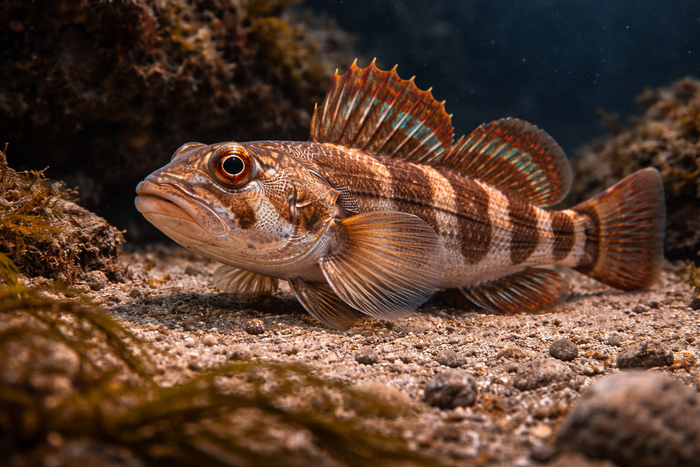
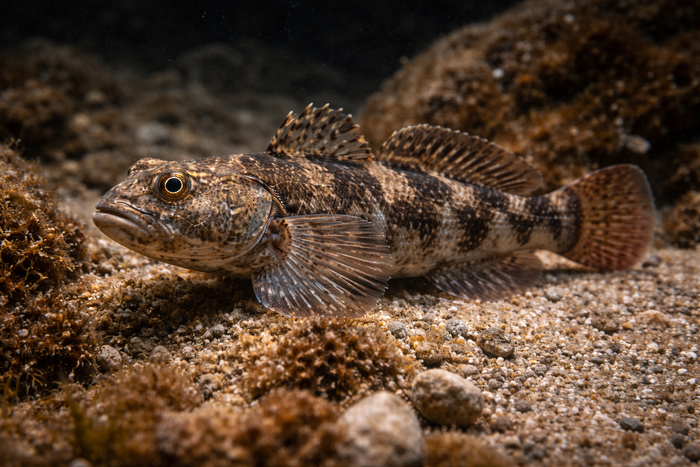
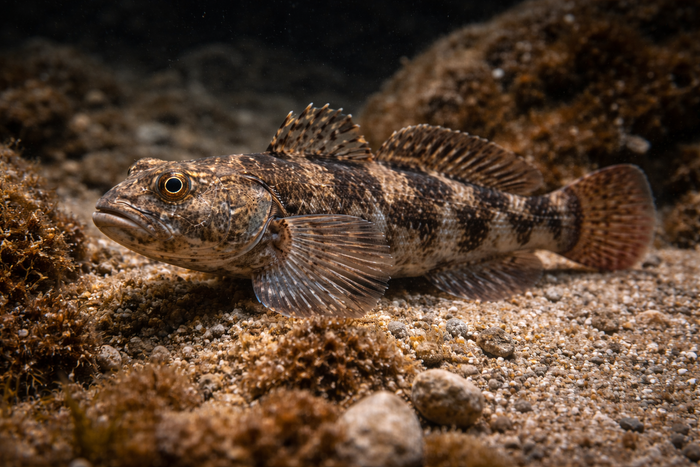
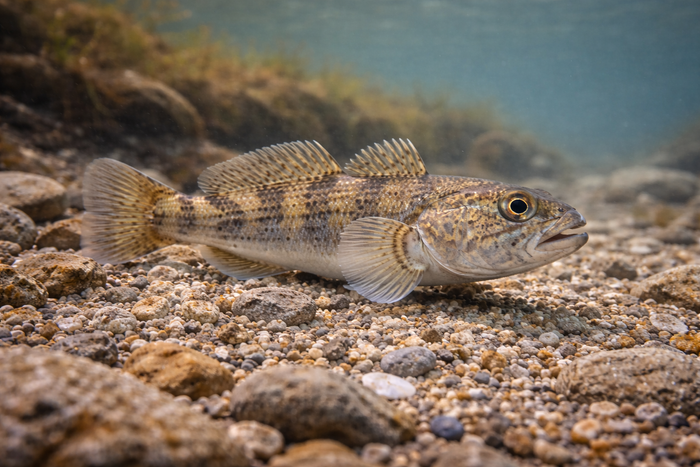
The Black Goby stands out in the goby family for its strikingly dark coloration, which ranges from deep brown to almost jet black, often with a faint iridescence. Unlike many gobies that favor hiding in crevices or burrows, the Black Goby is more of a social player, frequently seen in small groups. Its ability to change color slightly depending on mood or environment adds a layer of complexity to its behavior.
Its morphology is tailored for life on the seabed: fused pelvic fins form a suction cup that allows it to cling to rocks and vegetation, resisting currents with ease. This adaptation is not just practical; it’s a signature move that helps the Black Goby stake out and defend territories in competitive coastal zones.
Habitat & Global Range
Black Goby habitat spans the temperate coastal waters of the eastern Atlantic, from the cold waters of Scandinavia down to the warmer Mediterranean and North African coasts. It thrives in shallow, sheltered environments such as estuaries, lagoons, and bays where seagrass beds and sandy or muddy substrates abound.
This species is a true coastal specialist. It prefers brackish to fully marine conditions but can tolerate a range of salinities, making it a resilient resident of fluctuating environments. The Black Goby’s presence is a reliable indicator of healthy seagrass ecosystems, which are vital nursery grounds for many marine species.
Behavior & Temperament
The Black Goby is no wallflower. It exhibits territorial behavior, especially during breeding season, when males become fiercely protective of nests hidden under rocks or shells. Males also perform elaborate courtship displays, including fin flaring and color changes, to attract females.
Outside of breeding, these gobies often form loose aggregations, showing a social side that balances their territorial instincts. They are benthic feeders, hunting small invertebrates like crustaceans, worms, and mollusks with a patient, sit-and-wait strategy. Their keen eyesight and quick reflexes make them efficient predators despite their modest size.
Ecological Importance
Black Goby facts reveal a species deeply woven into coastal food webs. As both predator and prey, it helps maintain the balance of benthic invertebrate populations while providing a food source for larger fish, birds, and marine mammals.
Their nesting behavior contributes to the health of the seabed environment by aerating sediments and promoting nutrient cycling. Moreover, their reliance on seagrass beds ties their fate to these critical habitats, which support biodiversity, stabilize shorelines, and sequester carbon.
Conservation & Environmental Pressures
Despite their adaptability, Black Gobies face threats from habitat degradation. Coastal development, pollution, and the destruction of seagrass beds jeopardize their habitats. Changes in water quality and increased sedimentation can reduce the availability of suitable nesting sites and food resources.
Climate change adds another layer of pressure, altering temperature and salinity regimes in their habitats. While the Black Goby shows some resilience, rapid environmental shifts could outpace their ability to adapt. Conservation efforts aimed at protecting coastal ecosystems and improving water quality are essential to ensure the survival of this species.
The FishyAF Take
The Black Goby is a prime example of how small fish can wield outsized influence in their ecosystems. Its adaptability, social complexity, and ecological roles make it a fascinating subject for both scientists and anglers. If you’re interested in coastal marine life, understanding Black Goby facts and habitat dynamics is key to appreciating the intricate balance of shore ecosystems.
Forget flashy colors or massive size. The Black Goby proves that being bold and memorable doesn’t require standing out in a crowd. Instead, it commands attention through resilience, behavior, and ecological importance. Keep an eye out for this dark, dynamic fish next time you explore shallow coastal waters—you might just witness a masterclass in small-scale marine survival.