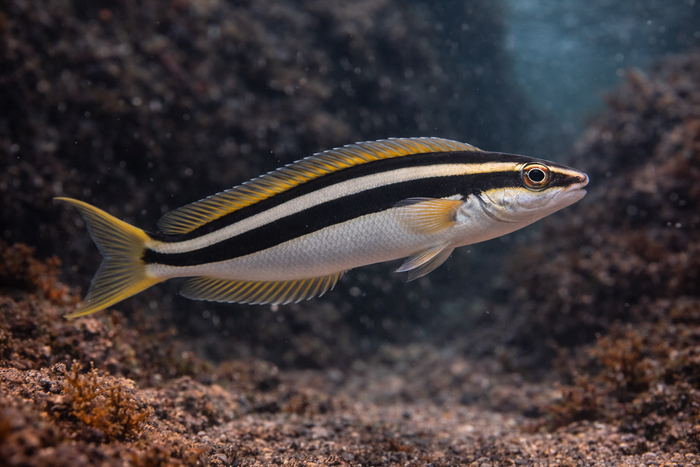
Antillies Frillfin Goby (Bathygobius soporator): The Rock-Dwelling Rebel of Coastal Waters
The Antillies Frillfin Goby is not your average small fish. This scrappy, bold goby stakes its claim on rocky shorelines with a swagger that belies its size. Known scientifically as Bathygobius soporator, it’s a standout among gobies for its distinctive frilled fins and tenacious behavior. If you’re diving into Antillies Frillfin Goby facts, prepare to meet a species that’s as tough as it is fascinating.
What Makes the Antillies Frillfin Goby Unique?
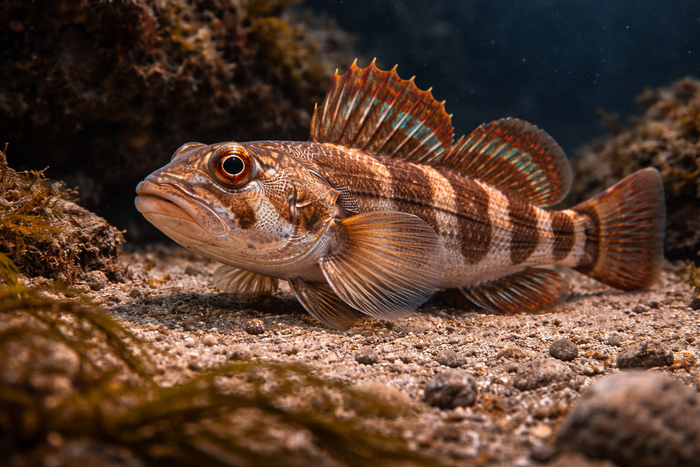
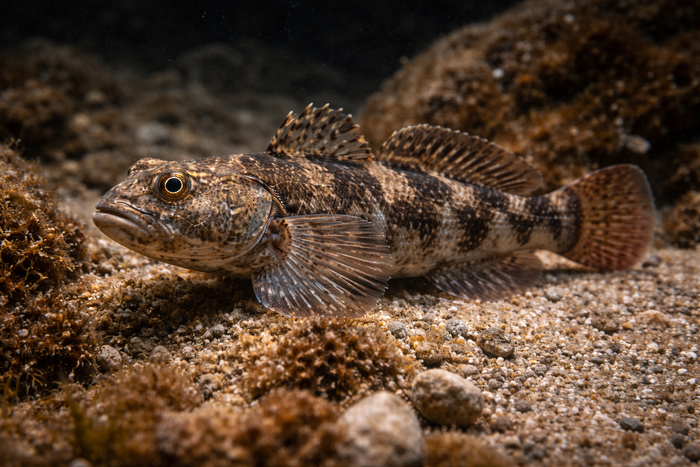
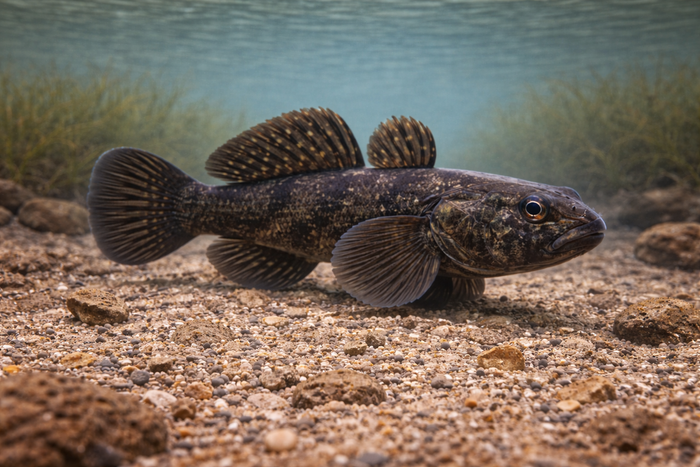
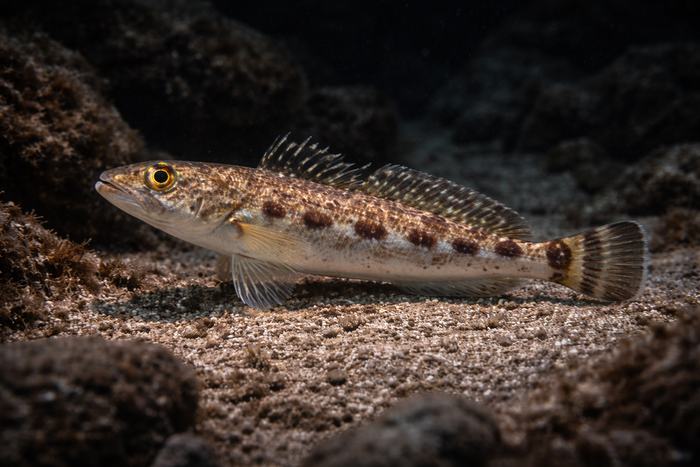
Forget the typical goby silhouette. The Antillies Frillfin Goby sports a pronounced frill on its dorsal fin, giving it a ruffled, almost regal appearance. This frill isn’t just for show—it plays a role in communication and territorial displays. Coloration varies from mottled browns and grays to darker hues, perfectly camouflaging it against rocky substrates.
This species is a master of microhabitats, often found wedged into crevices or perched on rocks, ready to dart out for food or defend its turf. Unlike many gobies that prefer sandy or muddy bottoms, the Antillies Frillfin Goby thrives in rugged, wave-battered environments. Its body shape and fin structure are optimized for clinging to uneven surfaces, resisting strong currents with ease.
Habitat & Global Range
The Antillies Frillfin Goby calls the western Atlantic home, with a range stretching from the southeastern United States down through the Caribbean and along the northern coast of South America. Its preferred Antillies Frillfin Goby habitat is shallow coastal zones where rocky reefs, tide pools, and mangrove roots intersect.
This fish is a coastal specialist. It’s rarely found far offshore or in deep waters. Instead, it stakes out territories in intertidal and subtidal zones, areas that experience constant environmental shifts. The ability to survive in these dynamic conditions makes it a resilient species, well adapted to the challenges of its niche.
Behavior & Temperament
The Antillies Frillfin Goby is a territorial little warrior. Males especially are known for aggressive displays, using their frilled dorsal fins to intimidate rivals and attract mates. They establish and defend small territories, often centered around a prime rock crevice or shelter.
Despite their feisty nature, these gobies are not solitary hermits. They tolerate neighbors within a certain range, creating a patchwork of territories along the rocky coastline. Their behavior includes quick dashes to snatch passing prey, mostly small invertebrates, and a constant vigilance against predators.
Their adaptability extends to breathing air when trapped in tide pools during low tide, a survival trick that keeps them alive when water levels drop. This amphibious ability is a testament to their evolutionary finesse.
Ecological Importance
The Antillies Frillfin Goby plays a subtle but crucial role in coastal ecosystems. As a predator of small invertebrates, it helps regulate populations of crustaceans and mollusks, maintaining a balanced food web. Its presence indicates a healthy rocky shore environment, as it requires clean, oxygen-rich waters and intact habitats.
Moreover, by occupying crevices and tide pools, it contributes to the complexity of these microhabitats. Its territorial behavior influences the distribution of other small fish and invertebrates, indirectly shaping community dynamics. The Antillies Frillfin Goby is a small but mighty player in coastal biodiversity.
Conservation & Environmental Pressures
While not currently listed as endangered, the Antillies Frillfin Goby faces threats common to many coastal species. Habitat degradation from coastal development, pollution, and sedimentation can disrupt its rocky shore habitat. Mangrove destruction and reef damage reduce available shelter and feeding grounds.
Climate change adds another layer of pressure, with rising sea temperatures and ocean acidification potentially altering the delicate balance of intertidal zones. Tide pool environments are especially vulnerable to these shifts, which could impact the goby’s survival strategies.
Monitoring Antillies Frillfin Goby populations offers insight into the health of coastal ecosystems. Protecting their habitat means preserving the intricate web of life that depends on these dynamic shorelines.
The FishyAF Take
The Antillies Frillfin Goby is a prime example of evolutionary grit. It’s not flashy, but it’s undeniably tough and well-adapted to a challenging environment. Its frilled fin is a signature feature that commands attention, but it’s the fish’s behavior and habitat mastery that truly impress.
For anyone interested in coastal marine life, understanding Antillies Frillfin Goby facts is a gateway to appreciating the complexity of rocky shore ecosystems. This goby proves that even the smallest fish can have a big impact. Keep an eye out for this scrappy character next time you explore tide pools or rocky reefs—it’s a living testament to survival on the edge.