Lizard Fish (Synodus foetens): The Ambush Predator That’s Always Ready to Strike
Lizard Fish, scientifically known as Synodus foetens, are the ocean’s low-profile hunters. With a name that sounds like a rejected Jurassic Park extra, these fish are anything but ordinary. They blend seamlessly into sandy or muddy bottoms, lying in wait for unsuspecting prey. If you’re diving into Lizard Fish facts, prepare to meet a creature that’s as cunning as it is cryptic.
What Makes the Lizard Fish Unique?
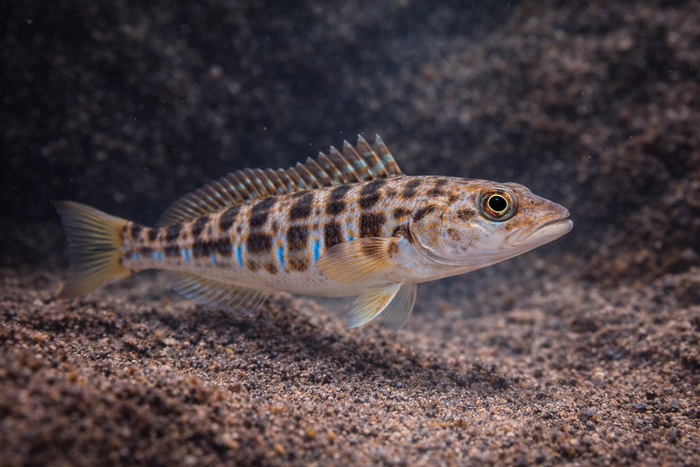
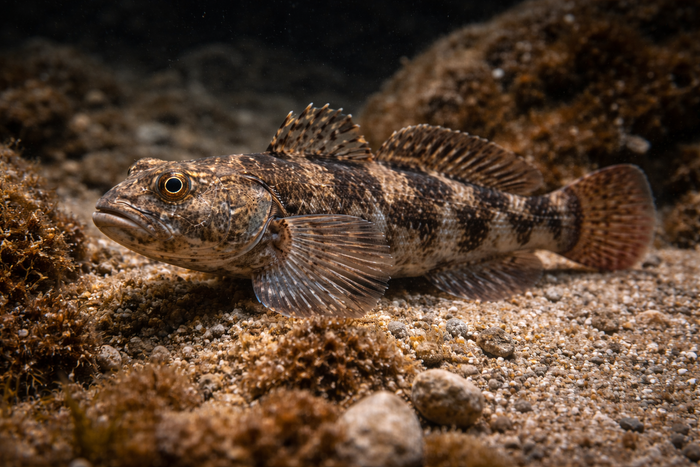
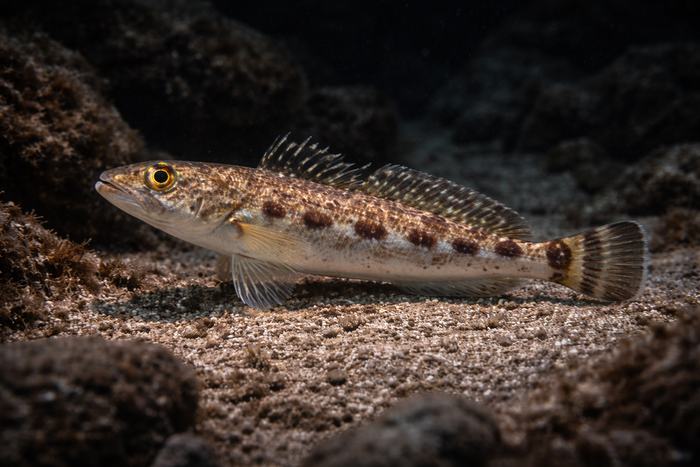
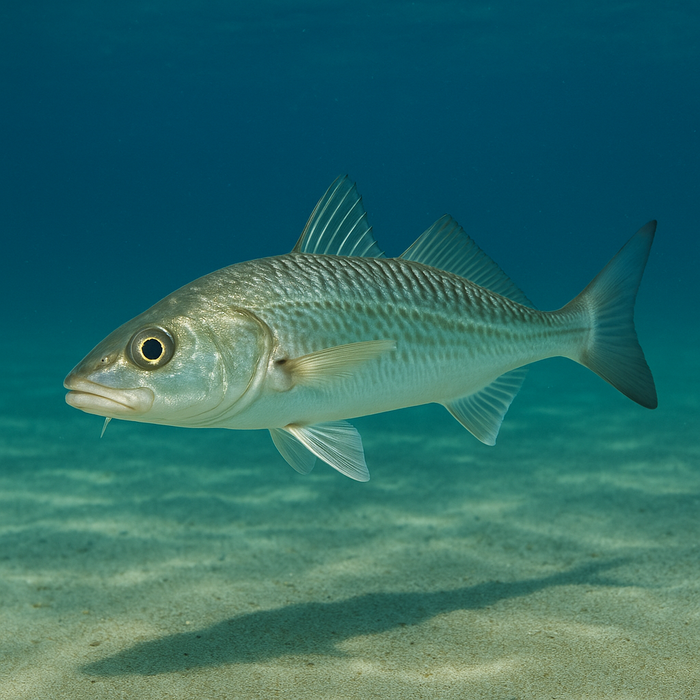
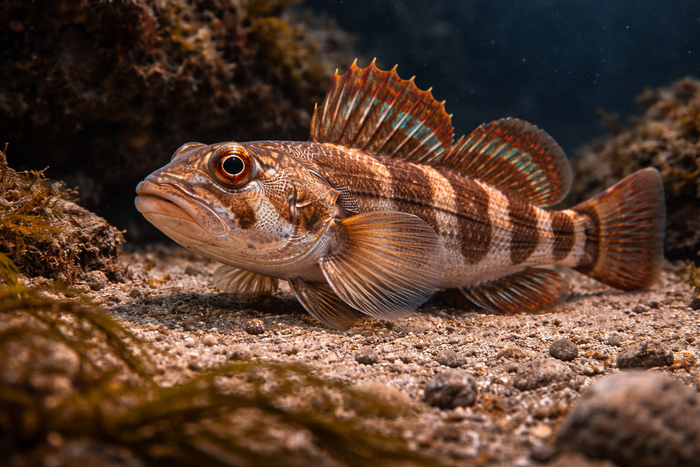
The Lizard Fish stands out for its elongated body and a mouth full of sharp, needle-like teeth that look like they belong to a prehistoric reptile. Its head is flattened with large eyes positioned to spot movement above, perfect for an ambush predator. Unlike flashy reef fish, the Lizard Fish relies on camouflage and patience rather than speed or agility.
One of the most striking features is its ability to blend into the substrate. Its mottled brown and greenish coloration mimics the ocean floor, making it nearly invisible to both prey and predators. This stealth approach is a masterclass in evolutionary design. The Lizard Fish doesn’t chase; it waits, sometimes motionless for hours, until the perfect moment to strike.
Habitat & Global Range
Lizard Fish habitat spans the western Atlantic Ocean, from the shallow coastal waters of the United States down through the Caribbean and into parts of South America. They prefer sandy or muddy bottoms, often near reefs or seagrass beds, where their camouflage is most effective.
These fish are bottom dwellers, typically found at depths ranging from shallow waters to around 200 meters. They are versatile enough to thrive in both estuarine environments and open coastal areas. The key to their habitat choice is the availability of cover and prey, which they exploit with ruthless efficiency.
Behavior & Temperament
Lizard Fish behavior is all about stealth and precision. They are solitary hunters, rarely seen schooling or interacting socially. Their temperament is aggressive when it comes to feeding but otherwise low-key and reclusive.
They lie in wait, buried partially in the sand or resting flat on the bottom, eyes scanning for movement. When prey—usually smaller fish or crustaceans—venture too close, the Lizard Fish lunges forward with lightning speed, snapping its jaws shut before the target can react.
Despite their fierce hunting style, Lizard Fish are not territorial in the traditional sense. They tolerate the presence of others as long as food is plentiful. Their ambush strategy means they don’t need to patrol or defend large areas, conserving energy for the critical moment of attack.
Ecological Importance
Lizard Fish play a vital role in their ecosystems as mid-level predators. By controlling populations of smaller fish and invertebrates, they help maintain a balanced food web. Their presence indicates a healthy benthic environment, as they rely on clean, well-oxygenated substrates to hunt effectively.
They also serve as prey for larger predatory fish, sharks, and marine mammals. This dual role as predator and prey makes them an integral link in coastal marine food chains. Ignoring Lizard Fish in ecological studies would be a mistake; they are a subtle but significant force shaping community dynamics.
Conservation & Environmental Pressures
Currently, Lizard Fish are not considered endangered or threatened. Their broad distribution and adaptable nature provide some buffer against environmental changes. However, like many bottom-dwelling species, they face indirect threats from habitat degradation.
Coastal development, pollution, and sedimentation can disrupt their sandy or muddy habitats, reducing hunting grounds and prey availability. Overfishing in some regions may also impact their populations, either directly or through the depletion of prey species.
Climate change poses a longer-term risk by altering water temperatures and ocean chemistry, potentially shifting Lizard Fish habitat ranges. Monitoring these pressures is essential to ensure that this stealthy predator remains a fixture of coastal ecosystems.
The FishyAF Take
Lizard Fish are a reminder that not all ocean predators need to be flashy or fast to dominate their niche. Their evolutionary toolkit—camouflage, patience, and a lethal bite—makes them a fascinating subject for anyone interested in marine biology or fishing.
If you’re after Lizard Fish facts, remember they are masters of ambush, perfectly adapted to their environment, and quietly crucial to the health of coastal waters. Next time you’re near a sandy bottom, keep an eye out. You might just spot the glint of those reptilian eyes before the strike.