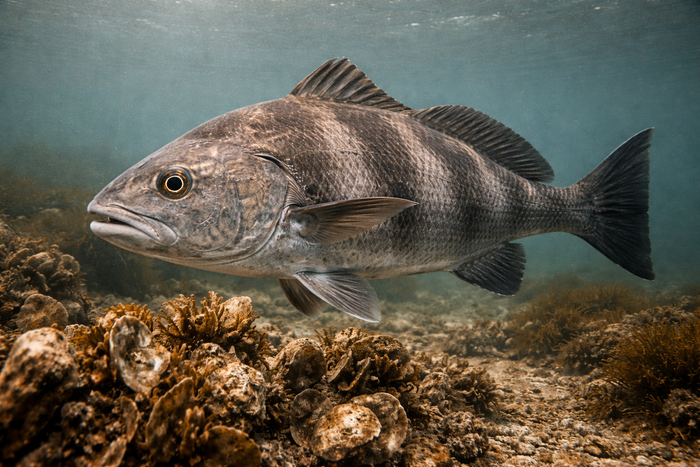
Southern Kingfish/ Whiting (Menticirrhus americanus): The Coastal Scavenger That Rules the Sand
The Southern Kingfish, also known as Whiting, is a staple of the Atlantic coastal waters, a fish that’s as familiar to anglers as the sound of waves crashing on the shore. This species may not have the flashiest colors or the most aggressive bite, but it commands respect with its gritty survival skills and vital role in coastal ecosystems. If you’re serious about understanding the underappreciated heroes of nearshore fishing, the Southern Kingfish deserves your attention.
What Makes the Southern Kingfish/ Whiting Unique?
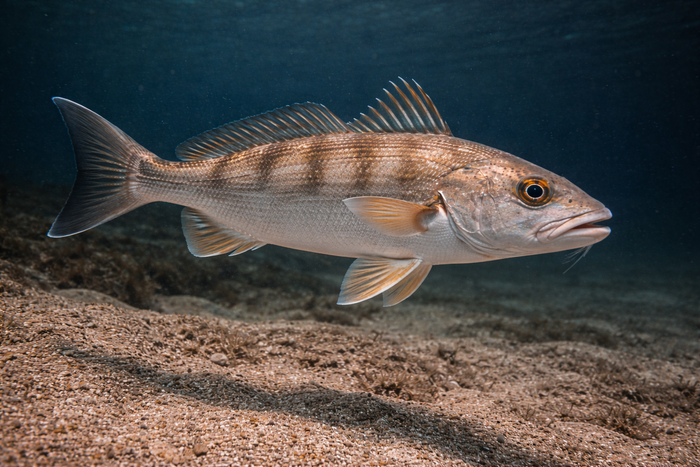
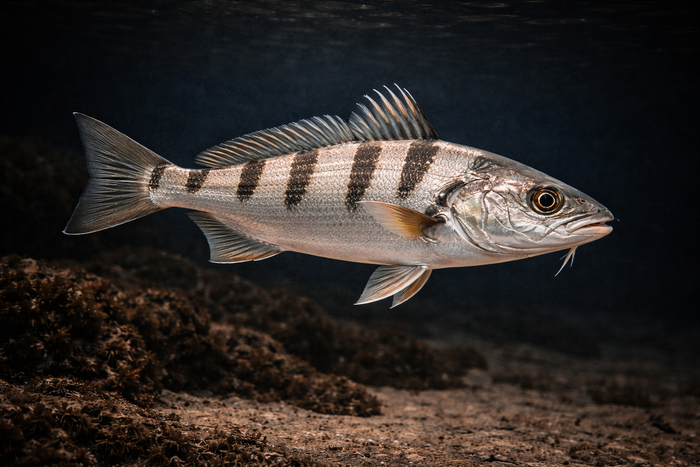
Southern Kingfish stand out for their specialized feeding strategy and distinctive physical features. Unlike many game fish that chase prey in open water, Southern Kingfish are bottom feeders, prowling sandy and muddy substrates with a keen sense of smell and taste. Their elongated bodies and downward-facing mouths are perfectly adapted for rooting through sediment, hunting small crustaceans, worms, and mollusks.
One of the most memorable features is their chin barbel—a whisker-like appendage packed with sensory cells. This barbel acts like a biological metal detector, helping the fish locate hidden prey beneath the sand. It’s a subtle but effective evolutionary tool that sets the Southern Kingfish apart from other coastal species.
Habitat & Global Range
Southern Kingfish are native to the western Atlantic, ranging from the mid-Atlantic states of the U.S. down through the Gulf of Mexico and along the Caribbean coasts. Their preferred Southern Kingfish habitat includes shallow, warm waters with sandy or muddy bottoms. They thrive in estuaries, bays, and nearshore environments where freshwater mixes with saltwater, creating nutrient-rich zones teeming with life.
These fish are often found in waters less than 30 feet deep but can venture deeper depending on the season and food availability. Their adaptability to varying salinity levels and temperatures makes them resilient players in coastal ecosystems. For anglers, this means Southern Kingfish are accessible year-round in many regions, especially during warmer months.
Behavior & Temperament
Southern Kingfish are not the flashy fighters of the ocean, but they have a quiet confidence. Their behavior is methodical and deliberate, spending much of their time cruising the bottom in search of food. They are solitary or found in small groups, rarely schooling like some of their relatives.
When hooked, Southern Kingfish put up a respectable fight, using quick bursts and head shakes rather than sustained runs. Their temperament is more about endurance and persistence than explosive power. This makes them a favorite for anglers who appreciate a steady battle rather than a wild tug-of-war.
Ecological Importance
Southern Kingfish play a crucial role in coastal food webs. As benthic feeders, they help control populations of small invertebrates, maintaining a balance in the sediment community. Their foraging activity also stirs up the substrate, which can aid in nutrient cycling and oxygenation of the sea floor.
They serve as prey for larger predators such as sharks, larger fish, and seabirds, linking lower trophic levels to apex predators. This dual role as both predator and prey underscores their importance in sustaining healthy, dynamic coastal ecosystems.
Conservation & Environmental Pressures
Southern Kingfish populations are generally stable, but they face pressures common to many coastal species. Habitat degradation from coastal development, pollution, and sedimentation can impact their spawning and feeding grounds. Overfishing is not a major threat currently, but localized pressure from recreational and commercial fisheries requires monitoring.
Climate change introduces additional challenges, altering water temperatures and salinity patterns that could shift Southern Kingfish habitat ranges. Maintaining clean, healthy estuaries and nearshore environments is critical to their long-term survival.
The FishyAF Take
Southern Kingfish/ Whiting may not be the flashiest catch on the line, but they are a cornerstone of coastal marine life. Their unique adaptations, steady temperament, and ecological role make them a species worth knowing beyond the basics. For anglers, they offer a reliable, engaging fight and a chance to connect with the gritty undercurrent of nearshore fishing.
Understanding Southern Kingfish/ Whiting facts and their habitat is key to appreciating how these fish fit into the bigger picture of marine ecosystems. They remind us that not all heroes wear bright scales; some quietly patrol the sandy floors, keeping the balance in check. If you want a fish that’s as tough as it is unassuming, the Southern Kingfish is your go-to.