Goldtail Croaker (Micropogonias undulatus): The Sound-Making Southern Star of Coastal Waters
The Goldtail Croaker is not just another fish swimming in the coastal shallows. Known scientifically as Micropogonias undulatus, this species commands attention with its distinctive golden tail and the unmistakable croaking sounds it produces. It’s a staple of estuaries and nearshore environments along the western Atlantic, playing a vital role in both commercial fisheries and local ecosystems. If you’re diving into Goldtail Croaker facts, prepare to meet a fish that’s as interesting in behavior as it is in appearance.
What Makes the Goldtail Croaker Unique?
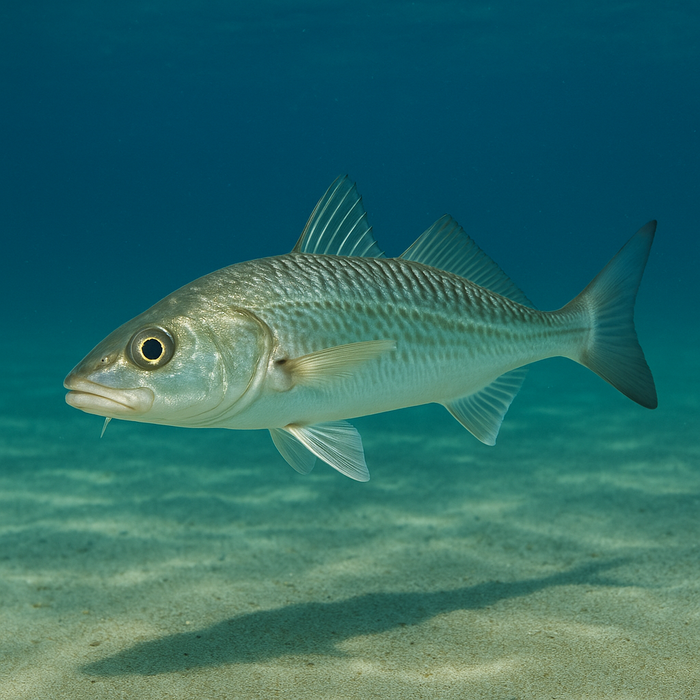
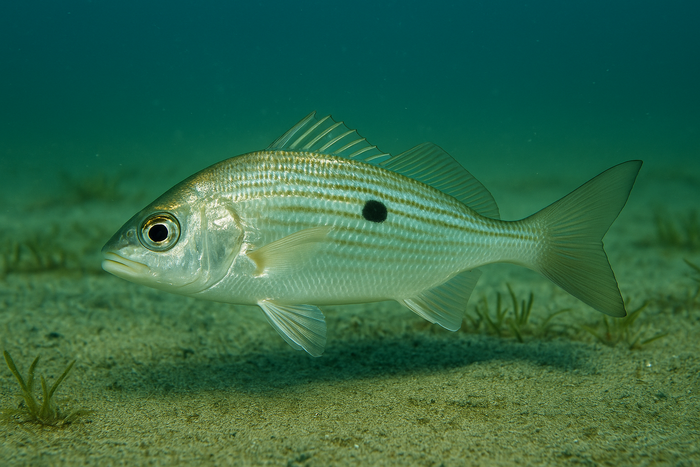
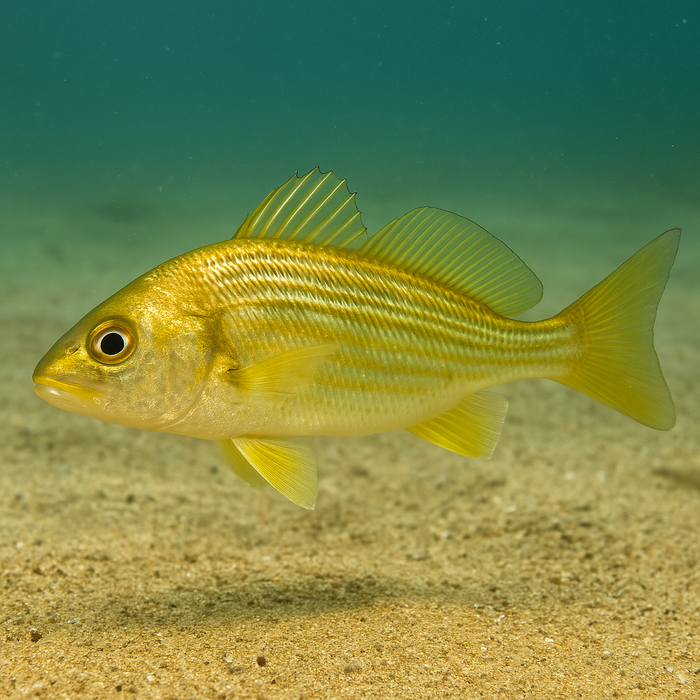
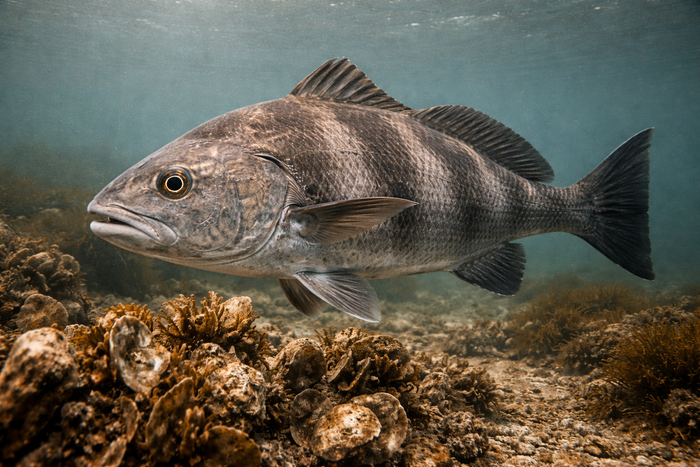
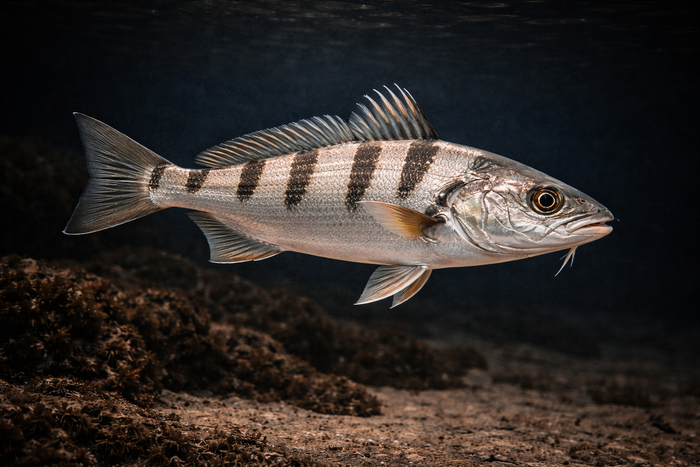
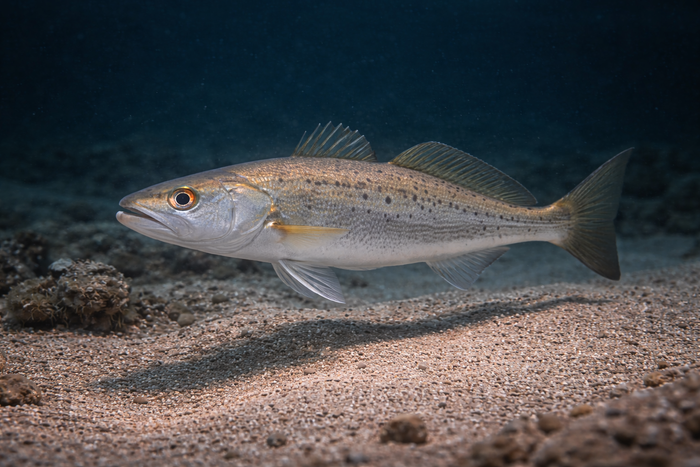
The Goldtail Croaker stands out for its sonic abilities. Unlike most fish, it produces croaking or drumming noises by vibrating specialized muscles against its swim bladder. This isn’t just a party trick; it’s a communication tool used during spawning and territorial displays. Visually, the species is marked by a silvery body with a hint of bronze and, of course, its namesake bright yellow to golden tail fin. Its body is covered with rough scales, and it sports a slightly arched back with a blunt snout, giving it a robust, no-nonsense look.
Another unique trait is its adaptability. Goldtail Croakers thrive in a range of salinities, from full ocean saltwater to brackish estuaries and even freshwater zones. This versatility allows them to exploit various habitats and food sources, making them resilient in fluctuating coastal environments.
Habitat & Global Range
Goldtail Croaker habitat spans the western Atlantic coast, from the Gulf of Mexico up to the mid-Atlantic states of the United States. They prefer shallow, sandy or muddy bottoms near estuaries, bays, and river mouths. These areas provide abundant food and shelter, especially for juveniles who use seagrass beds and marsh edges as nurseries.
Seasonally, they migrate along the coast, moving offshore in colder months and returning to warmer, shallower waters to spawn in spring and summer. This migratory pattern is tightly linked to water temperature and salinity changes, showcasing their sensitivity to environmental cues.
Behavior & Temperament
Goldtail Croakers are bottom feeders with a diet primarily consisting of crustaceans, small fish, worms, and mollusks. They use their strong jaws and pharyngeal teeth to crush shells and extract prey. Their feeding behavior is methodical but opportunistic, adapting to whatever prey is abundant.
Socially, they are gregarious, often found in schools that can number in the hundreds. This schooling behavior offers protection from predators and increases efficiency during spawning. Their croaking sounds are part of their social toolkit, used to attract mates and establish dominance hierarchies within groups.
Despite their vocal nature, Goldtail Croakers are not aggressive toward humans or other species. They are wary but approachable, making them a favorite target for recreational anglers who prize them for their fight and flavor.
Ecological Importance
Goldtail Croakers play a crucial role in coastal food webs. As mid-level predators, they help control populations of benthic invertebrates and small fish, maintaining ecological balance. Their presence indicates healthy estuarine environments, as they require clean, oxygen-rich waters to thrive.
They also serve as prey for larger predators such as sharks, dolphins, and larger fish species. This positions them as a vital link in energy transfer from lower trophic levels to apex predators.
From a fisheries perspective, Goldtail Croakers contribute significantly to commercial and recreational catches. Their abundance supports local economies and provides a sustainable seafood option when managed properly.
Conservation & Environmental Pressures
While Goldtail Croaker populations are currently stable, they face mounting pressures from habitat degradation, pollution, and climate change. Coastal development and wetland loss reduce the quality and availability of their nursery habitats. Pollution, particularly from agricultural runoff and urban waste, can lead to hypoxic zones that are deadly to these fish.
Climate change introduces additional challenges by altering water temperatures and salinity patterns, potentially disrupting their migratory and spawning behaviors. Overfishing is a concern in some areas, though regulated fisheries and size limits help mitigate this risk.
Conservation efforts focus on habitat protection, pollution control, and sustainable fishing practices. Monitoring populations and enforcing regulations are critical to ensuring the Goldtail Croaker remains a thriving species in coastal ecosystems.
The FishyAF Take
The Goldtail Croaker is a fascinating species that deserves more spotlight than it usually gets. It’s not just a tasty catch; it’s a sonic marvel and a resilient player in coastal ecosystems. Understanding Goldtail Croaker facts and habitat nuances reveals a fish that’s finely tuned to its environment and crucial to the health of estuarine waters.
For anglers and conservationists alike, this species represents a success story when managed wisely. It’s a reminder that even common fish have extraordinary adaptations and ecological roles worth respecting. Keep an eye out for the golden flash and listen for the croak next time you’re near a southern shore. The Goldtail Croaker is making waves in more ways than one.