Round Goby (Neogobius melanostomus): The Invader That Redefined Freshwater Turf Wars
Meet the Round Goby, a small but fierce fish that punches well above its weight in freshwater ecosystems. Native to the Black and Caspian Sea regions, this species has become a headline grabber in North American and European waters. Its rise from obscurity to ecological heavyweight is a story of adaptability, aggression, and unintended consequences. If you want to understand how a fish the size of your palm can shake up entire aquatic communities, the Round Goby is your case study.
What Makes the Round Goby Unique?
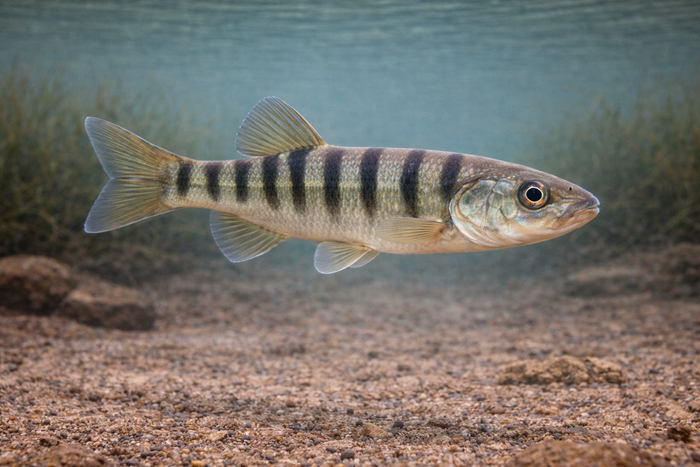
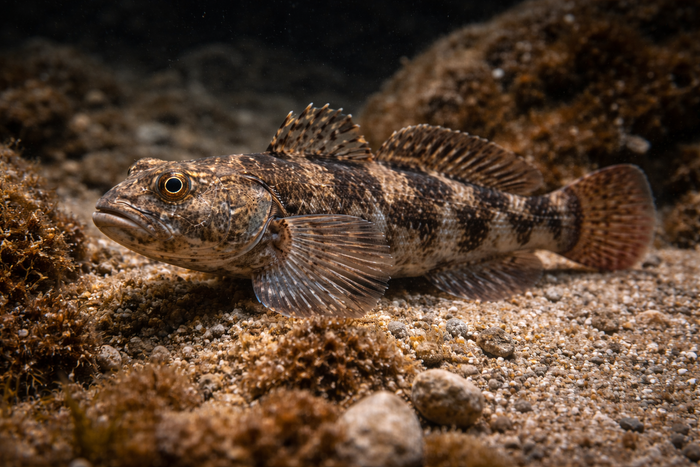
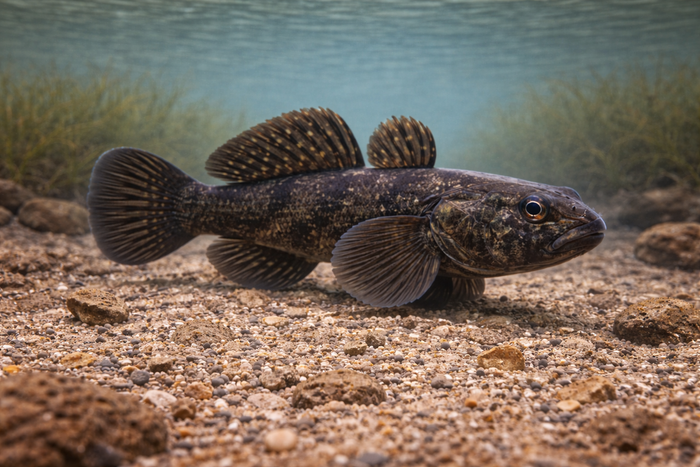
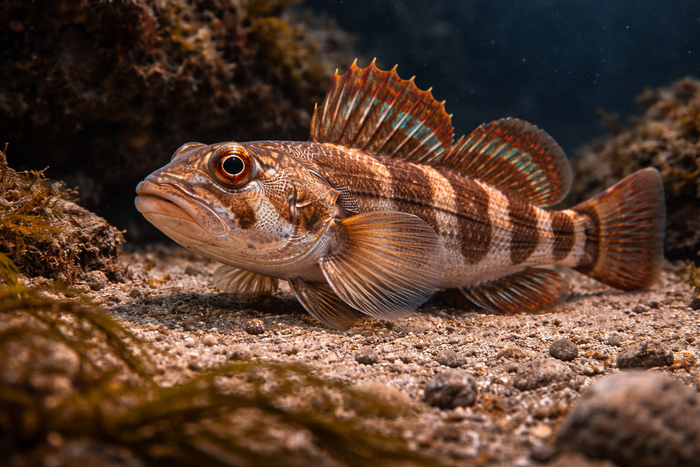
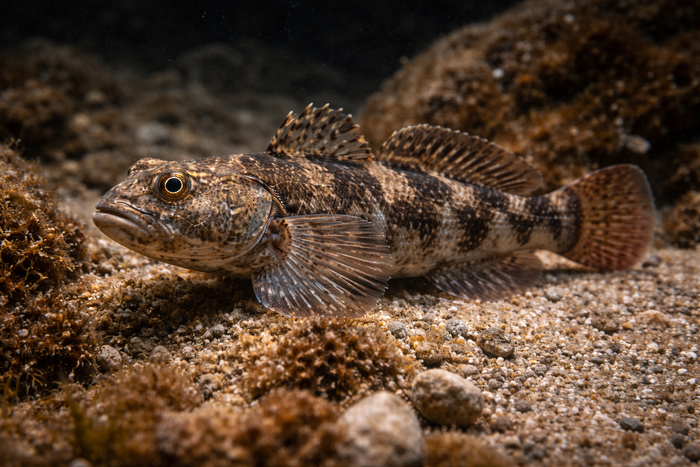
The Round Goby is a master of survival with a distinct look and behavior. Sporting a robust, cylindrical body and a sucker-like pelvic fin that acts like a natural suction cup, it clings to rocks and substrates with ease. This sucker fin is not just a quirky feature; it’s a tactical advantage in fast-flowing streams and rocky lake bottoms. Its eyes sit high on the head, giving it a panoramic view of its surroundings, perfect for spotting prey and predators alike.
But the real kicker is its aggressive feeding strategy. Round Gobies are opportunistic bottom feeders with a taste for mollusks, insect larvae, and even the eggs of other fish. Their ability to crush hard shells with specialized pharyngeal teeth lets them exploit food sources many competitors can’t touch. This dietary flexibility is a key Round Goby fact that explains their rapid population growth in new environments.
Habitat & Global Range
Originally confined to the brackish and freshwater zones of the Black and Caspian Seas, the Round Goby has expanded its range dramatically over the past few decades. Thanks to ballast water discharge from transoceanic ships, it hitched a ride to the Great Lakes and quickly spread through connected waterways across North America and parts of Europe.
Round Goby habitat is typically rocky or gravelly lake bottoms, riverbeds, and coastal areas where they can use their sucker fins to maintain position. They thrive in both fresh and slightly brackish waters, tolerating a range of temperatures and oxygen levels. This adaptability makes them formidable invaders, able to colonize diverse environments from shallow shorelines to deeper offshore zones.
Behavior & Temperament
Don’t let their size fool you. Round Gobies are territorial and downright aggressive, especially during breeding season. Males stake out nesting sites under rocks and fiercely guard their eggs against intruders. Their boldness extends to interactions with other fish species, often outcompeting native bottom dwellers for food and shelter.
They are primarily nocturnal feeders, using their keen senses to hunt in low light. Their diet includes snails, mussels, insect larvae, and small fish eggs, making them both predators and competitors in their ecosystems. Round Gobies also exhibit a curious social behavior, sometimes forming dense aggregations that can number in the thousands, a strategy that may help overwhelm predators or maximize breeding success.
Ecological Importance
The Round Goby’s ecological role is a double-edged sword. On one hand, they serve as a new food source for larger predatory fish like bass, walleye, and lake trout. This has altered food web dynamics, sometimes benefiting sport fish populations. On the other hand, their voracious appetite for native mussels and fish eggs has led to declines in indigenous species, disrupting long-established ecological balances.
Their ability to bioaccumulate toxins from contaminated sediments also raises concerns, as these toxins can move up the food chain through predators that consume Round Gobies. This makes them a key species for monitoring ecosystem health but also a vector for environmental stress.
Conservation & Environmental Pressures
While the Round Goby itself is not endangered—in fact, it’s thriving in many invaded habitats—it poses significant conservation challenges. Native species suffer from competition, predation, and habitat displacement. Efforts to control Round Goby populations include physical removal, habitat modification, and public awareness campaigns to prevent further spread.
Environmental pressures such as pollution and habitat degradation can exacerbate the impact of Round Gobies by weakening native species and making ecosystems more vulnerable to invasion. Managing these pressures is critical to protecting biodiversity in affected waterways.
The FishyAF Take
The Round Goby is a textbook example of how a small fish can cause big waves. It’s a survivor, an opportunist, and a disruptor rolled into one. Understanding Round Goby facts and their habitat preferences is essential for anyone interested in freshwater ecology or invasive species management. They remind us that ecosystems are delicate tapestries, easily unraveled by a single, adaptable thread.
If you’re fishing in the Great Lakes or European waters, spotting a Round Goby means you’re witnessing an ecological heavyweight in action. They’re not just another bottom feeder; they’re a force reshaping aquatic communities. Love them or hate them, the Round Goby demands respect—and a keen eye.