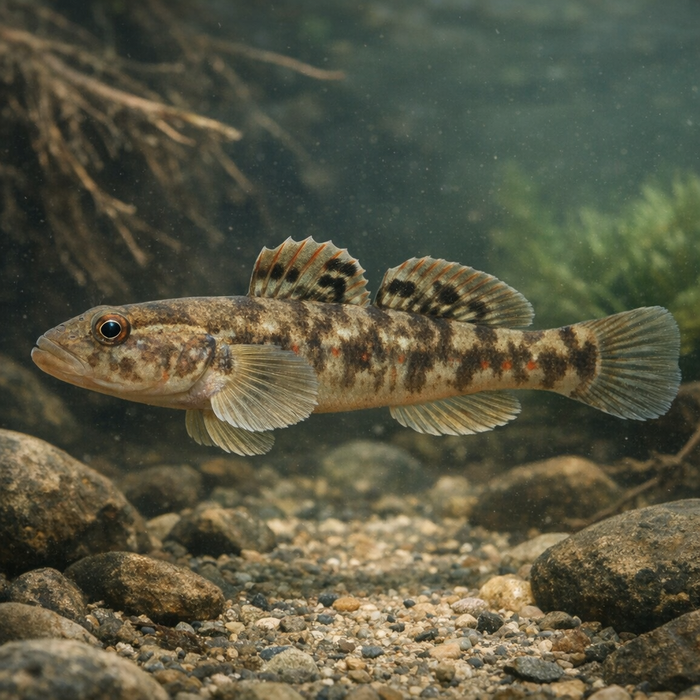
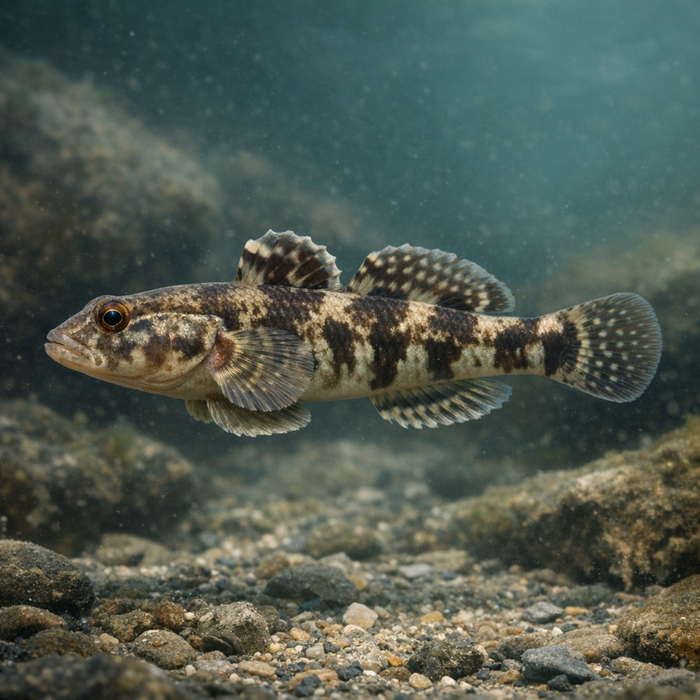
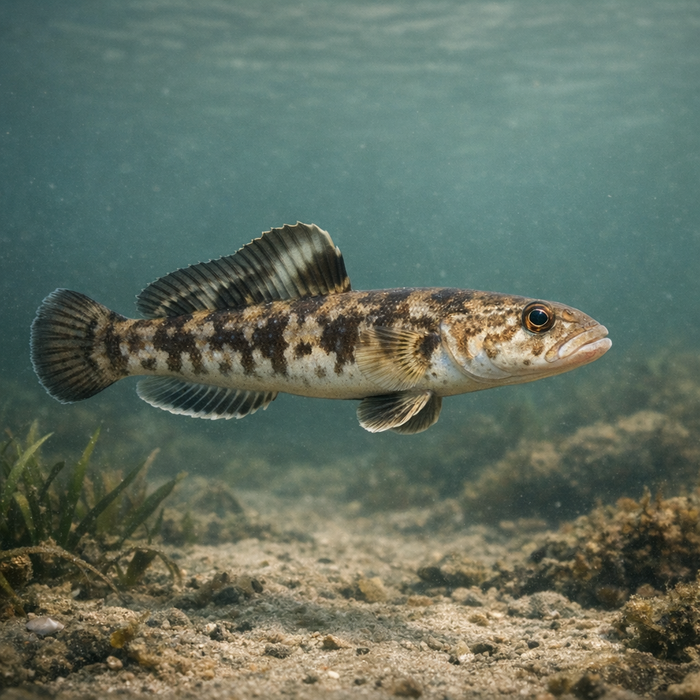
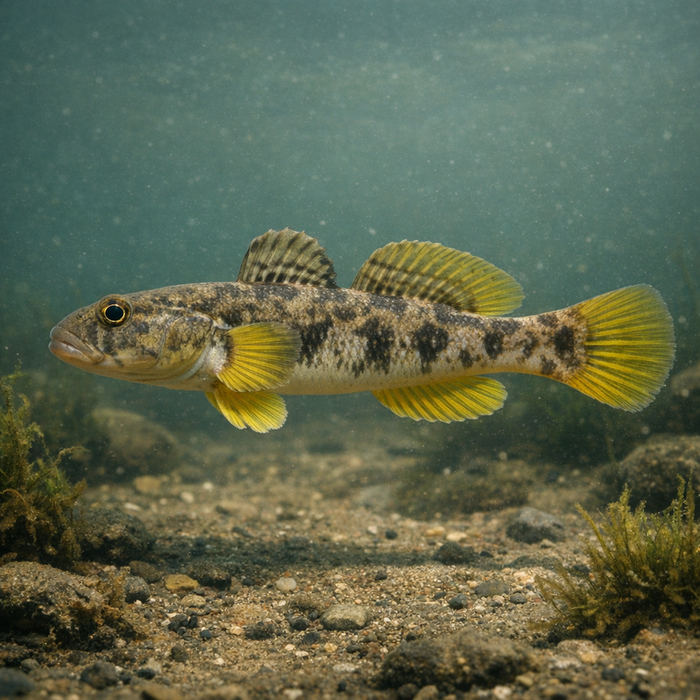
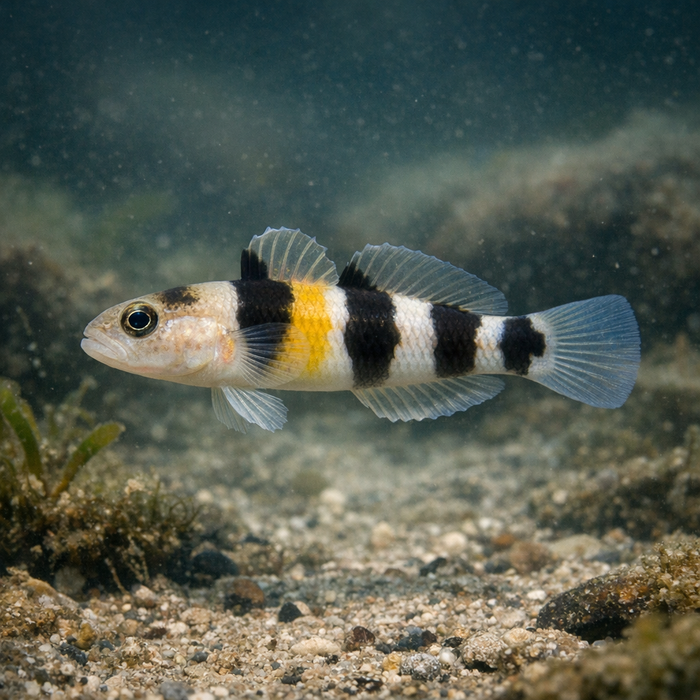
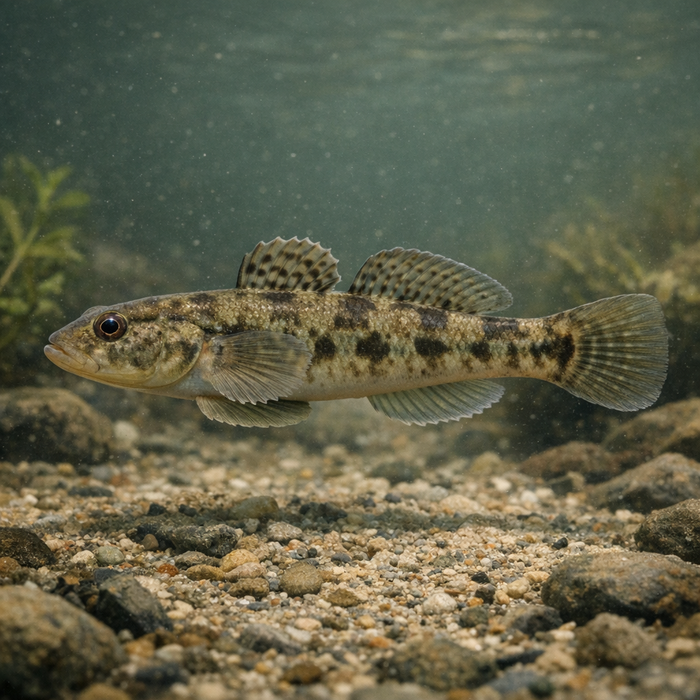
Tubenose Goby (Proterorhinus marmoratus): A Bold, Memorable Hook LineIntroductionThe tubenose goby is the tiny rock-hugger that wins by stealth, not size. You won't strip 100 yards of drag on this critter, but you will get a front-row seat to close-quarters fish behavior. For anglers who enjoy micro tackle and precise presentations, the tubenose goby turns any riprap, marina corner, or estuary rock garden into a miniature safari. Call it small, but don't call it boring.What Makes the Tubenose goby Unique?Start with the hardware: those tubular anterior nostrils aren't some odd decoration. They're scent-sampling snorkels built for probing tiny crevices. Add high-set eyes that peek over rocks while the body stays pinned to the bottom, and you've got a stealth machine. The classic goby suction disc lets the tubenose goby stick to stones in current and wave chop where other microfish would tumble. Its marbled camouflage shifts tone to match the neighborhood gravel, turning a fish already the size of your pinky into a living question mark.Habitat & Global RangeIf "Tubenose goby habitat" had a postcard, it would show low-salinity edges, river mouths, coastal lagoons, and slow to moderate river stretches cluttered with stones, shells, and weeds. The species thrives where cracks, cobble, and woody debris create ambush nooks. Native to Ponto-Caspian waters, it's also associated with expansion via canals and ballast water, which helped introduce lookalike relatives into new drainages. For anglers, the playbook is simple: hard structure near gentle flow. Think marina riprap, bridge abutments, breakwalls, and estuary jetties.Behavior & TemperamentThe tubenose goby is a sit-tight opportunist. It perches, watches, and pounces inches rather than feet. You'll rarely see it cruising midwater like a minnow. Males stake out shells or cavities during spawning season and guard eggs like grumpy doormen, a behavior that makes them especially catchable near nests. Feeding is quick and surgical. It inhales amphipods, larvae, and other small invertebrates with a vacuum pop that belies its size. Despite the name, the tubenose goby doesn't broadcast drama; it excels at staying invisible until the snack train comes by.Ecological ImportanceMicro predators like the tubenose goby are the gears of the food web. They convert drifting invertebrates into fish protein and serve as snacks for larger predators. In native systems, that balance hums along. Introductions complicate the picture, as tubenose-type gobies can rewire benthic communities by altering invertebrate pressure and by providing new forage for gamefish. Their nest-guarding and hard-structure love mean they can concentrate energy transfer in exact spots: the same rock piles you're already fishing for perch or bass.Conservation & Environmental PressuresIn much of its native range, the tubenose goby remains common and adaptable. The big threats aren't hook and line; they're habitat simplification and water quality. Scraped shorelines, silted cobble, and polluted marinas erase the hidey-holes this fish needs. Connectivity projects and shipping pathways can also shuffle related gobies into new basins, creating ID tangles and ecological headaches. Local status can vary, so smart anglers keep an eye on regional advisories and species lists. As with most small, structure-centric fish, the best conservation is clean water and complex habitat.The FishyAF TakeThe tubenose goby is the micro angler's litmus test: can you slow down enough to notice the small stuff? If yes, this species delivers constant "aha" moments. Every rock becomes a stage. Every shell is a front door. If you want drag-scorching runs, look elsewhere. But if you want to stack precise presentations and actually watch fish behavior unfold inches from your rod tip, the tubenose goby is your jam. Pocket fish, big fun, and a reminder that sometimes the coolest Tubenose goby facts are measured in millimeters, not pounds.