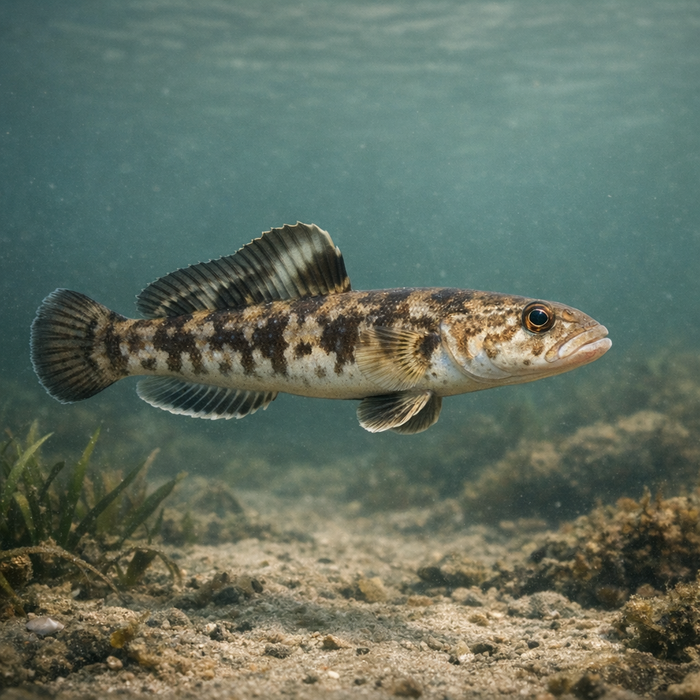
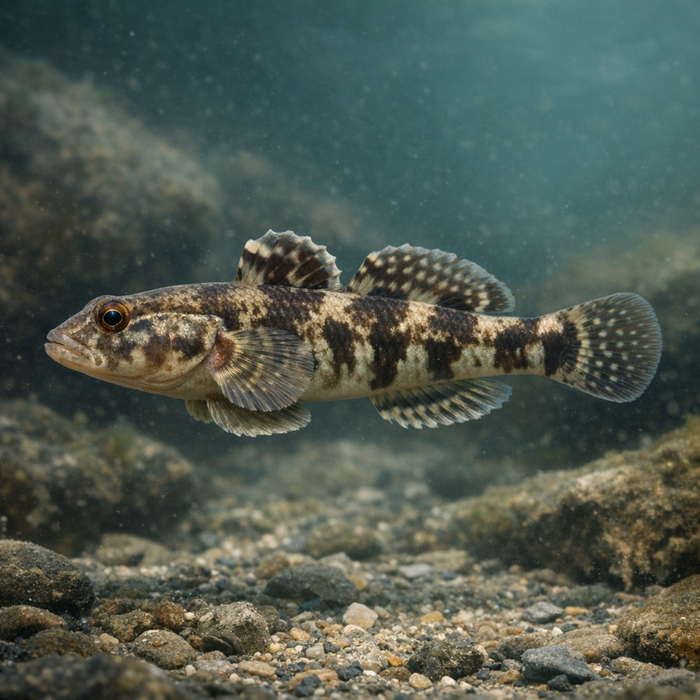
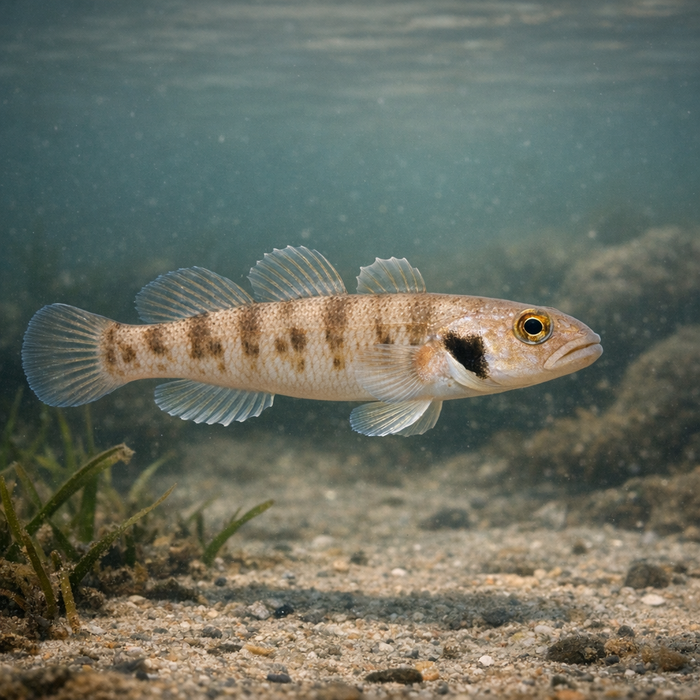
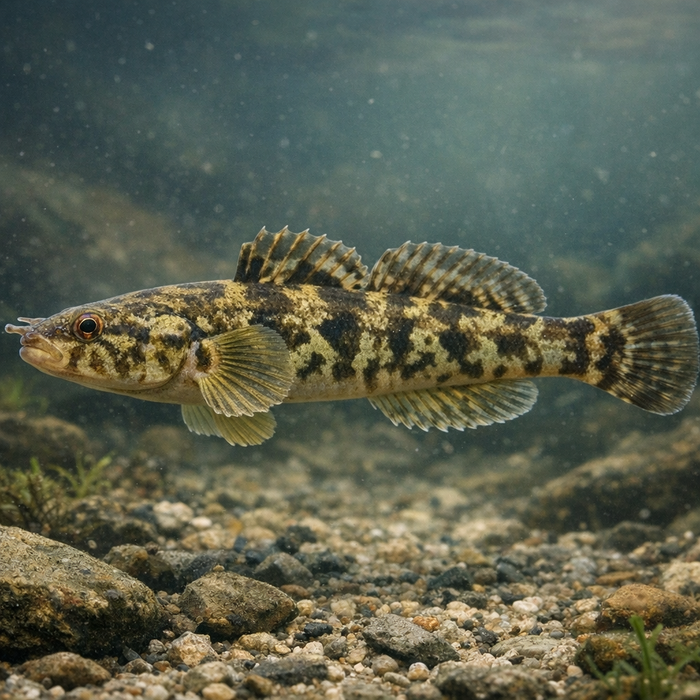
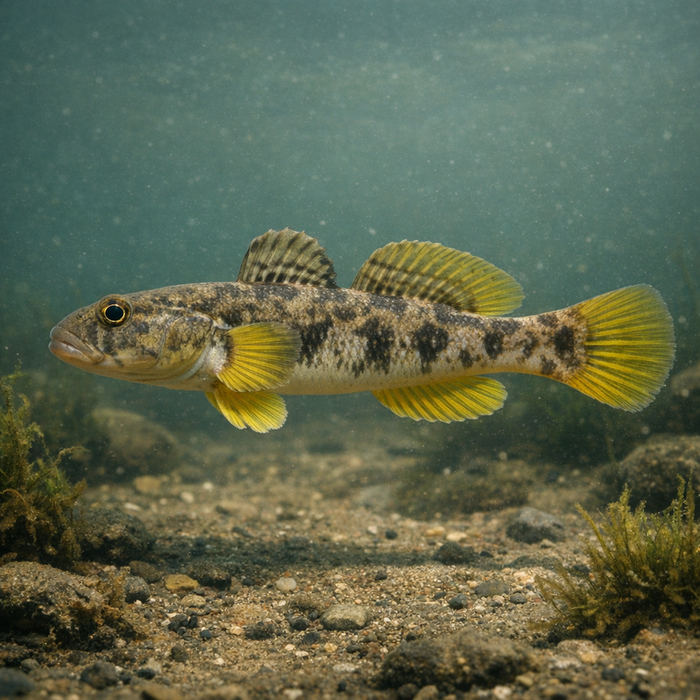
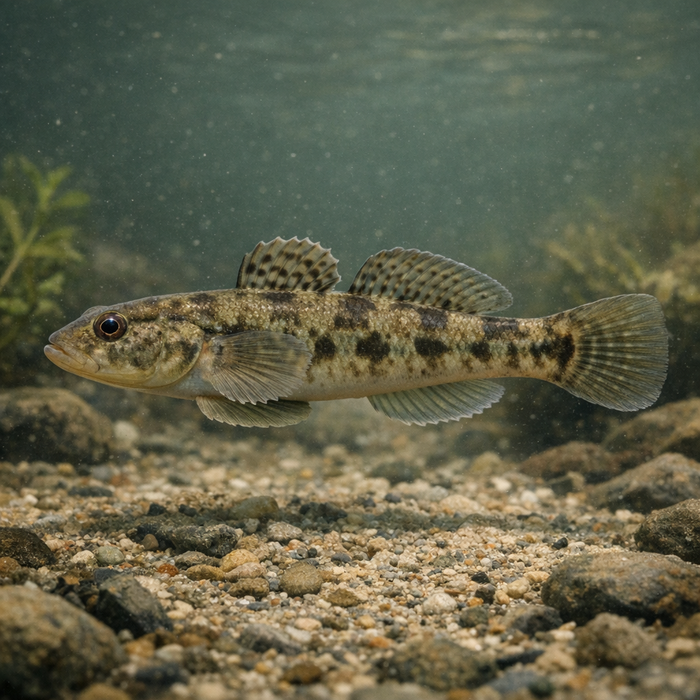
Clown Goby (Microgobius gulosus): A Bold, Memorable Hook LineIntroductionThe clown goby is the tiny, neon-accented squatter of warm estuaries that steals attention without trying. You're scanning a grass flat for reds or snook, and this little show-off is perched on a shell chip, glowing with blue cheek lines like a pocket-sized rave. It's not a trophy fish. It's a micro trophy with attitude, and it's way more interesting than most anglers realize.What Makes the Clown goby Unique?First, the face paint. The clown goby sports vivid blue streaks around the head that flare brighter during courtship. Second, its build is all business: a broad mouth for inhaling tiny crustaceans and fused pelvic fins that form a suction disc so it can pin itself to seagrass and shell rubble. Third, it's a salinity champ, shrugging off wild swings after summer downpours or hard droughts. In other words, small fish, big tool kit.Habitat & Global RangeIf you're chasing Clown goby habitat, think sunlit shallows with grass beds, sandy patches, shell hash, and oyster structure across the Southeast, Gulf Coast, and Caribbean. The species haunts ankle-to-knee-deep water, often along edges where current brushes turtle grass or pours past oyster clusters. They'll tuck into mangrove fringes too, especially wherever tide carves little lanes. Movements are local and tide-tuned more than migratory. Want easy Clown goby facts? They're where the food and cover meet, inches off the bottom.Behavior & TemperamentThe clown goby is a perch-and-pounce operator. It sits, scans with high-set eyes, then snaps amphipods, shrimp bits, and tiny worms with quick head flicks. Most activity aligns with moving water that drifts food across grass edges. They're not roamers. They're sitters with strategic hops from clump to clump. Courtship adds drama: colors intensify, and males guard adhesive eggs laid beneath shells or tucked in small cavities, fanning the clutch to keep oxygen flowing. Spook factor is moderate. They'll hold tight to structure but dart into grass at the hint of a shadow.Ecological ImportanceThe clown goby is a pint-sized link in the estuary's conveyor belt. It turns swarms of tiny crustaceans into calories for bigger fish and birds. In grass systems loaded with amphipods and juvenile shrimp, the clown goby cleans the buffet line, moving that energy up the ladder to speckled trout, redfish, and herons. Call it a snack with a purpose. Plus, it's a signpost for grass health; where seagrass thrives, clown gobies usually dot the bottom like living confetti.Conservation & Environmental PressuresThe species is not a regulation headliner, but its neighborhood is under pressure. Seagrass loss, poor water clarity, and nutrient-fueled algae blooms can gut clown goby numbers fast. Estuary hardening and dredging erase the micro-structure they depend on. They tolerate salinity swings, but not chronic habitat decline. The good news: protect grass beds, buffer runoff, and keep oyster habitat alive, and the clown goby rebounds naturally. It's tough, just not invincible.The FishyAF TakeAnglers often breeze past the clown goby while chasing flashier targets. That's a miss. This little fish is a masterclass in estuary design: specialized fins, expressive colors, and tight habitat fit. If you're into microfishing or just appreciate the weirdness of the flats, the clown goby delivers. It's proof that the shallow-water circus isn't only about tailing reds and marauding snook. Sometimes the best story sits still on a piece of shell, wearing blue war paint and daring you to notice. Learn from it and your big-fish game improves too: read grass edges, watch the micro-current, and respect how life stacks up down low. That's the real Clown goby facts playbook.