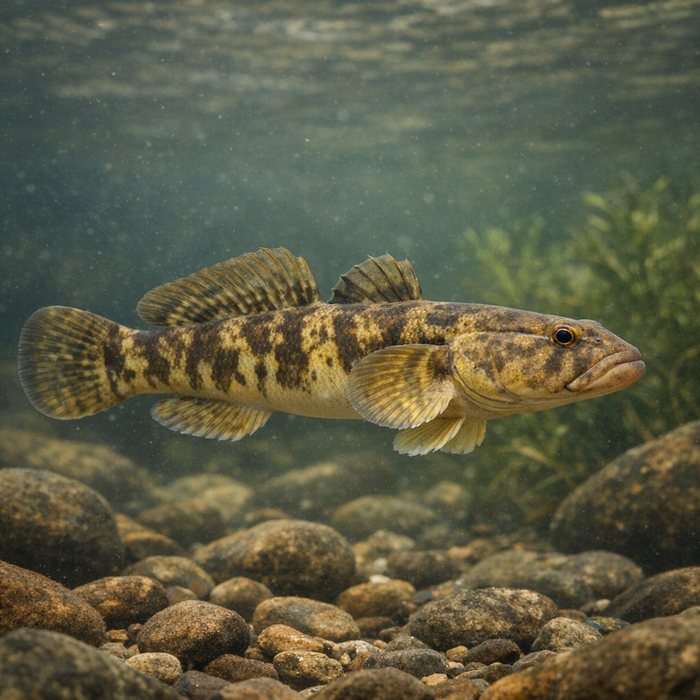
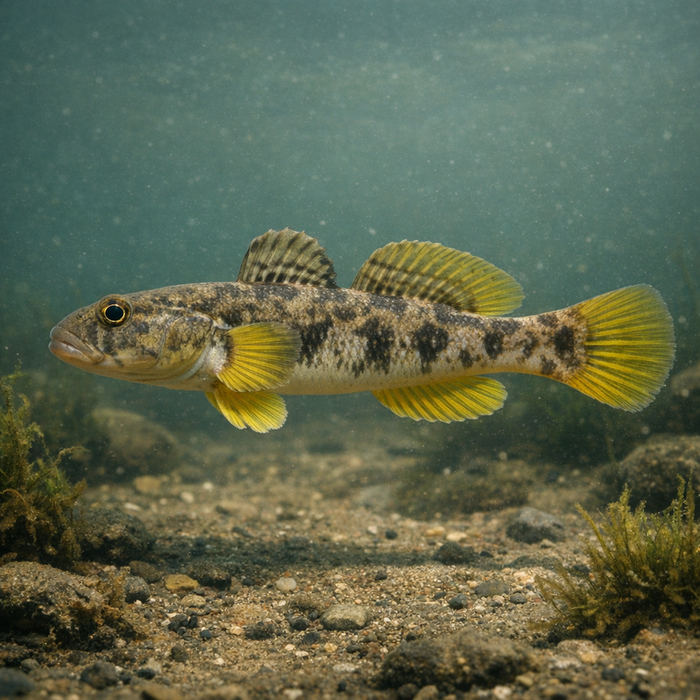
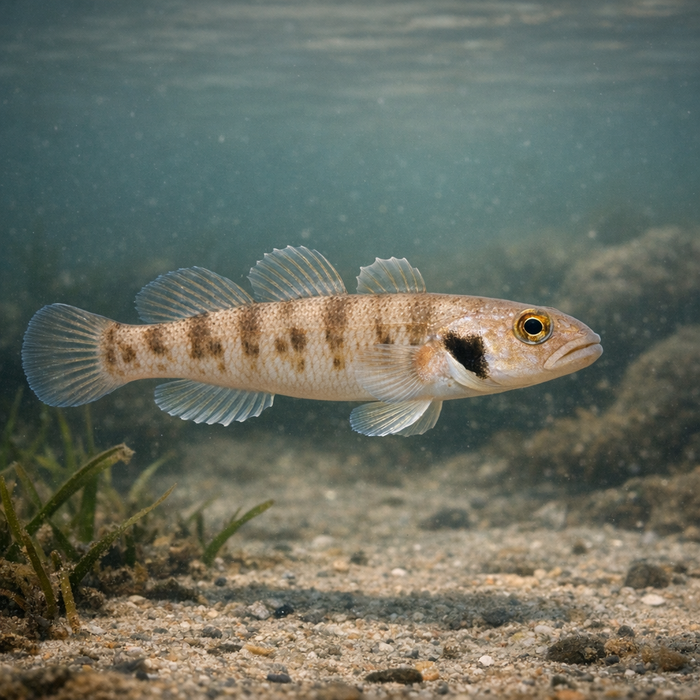
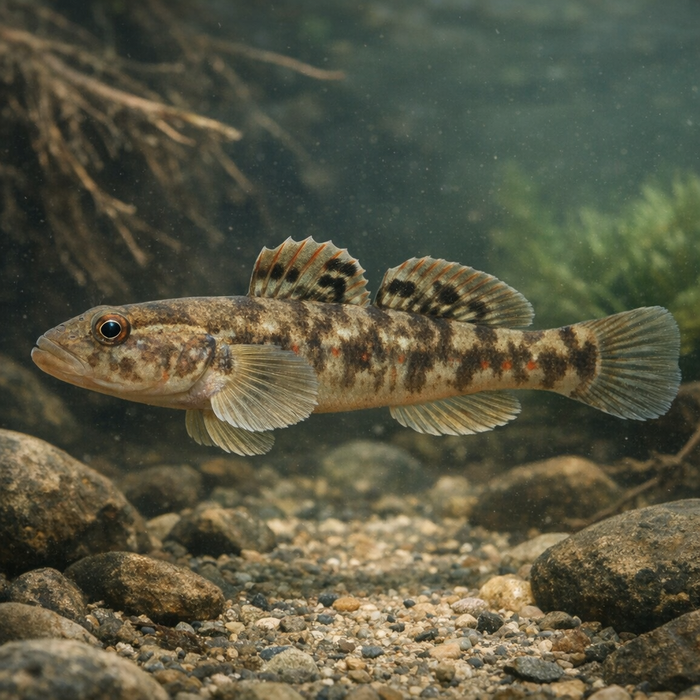
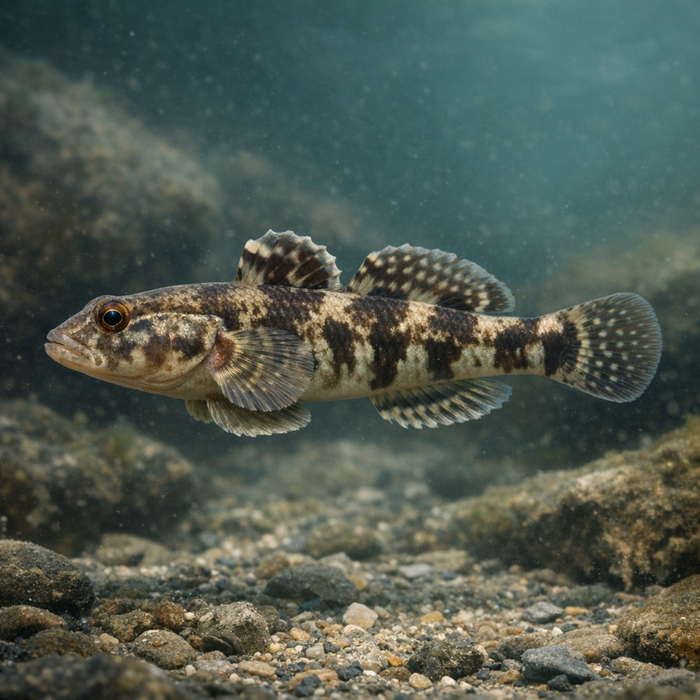
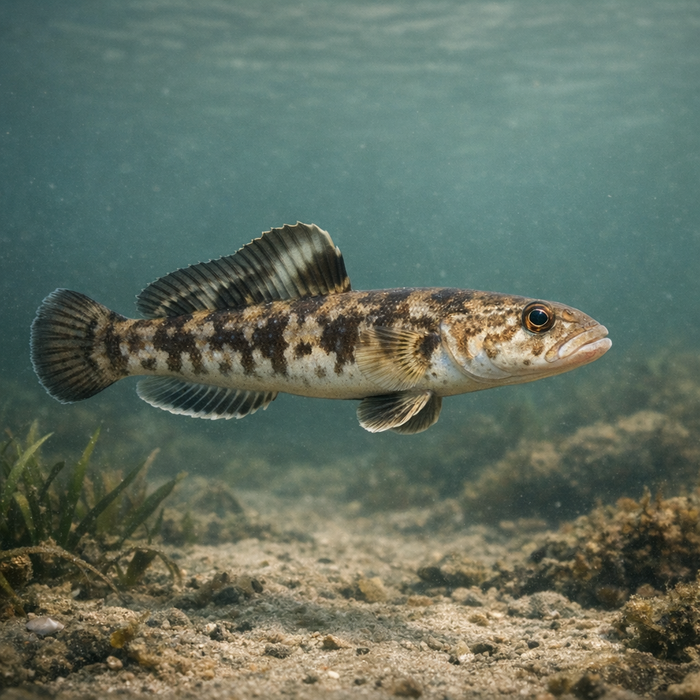
American Freshwater Goby (Ctenogobius shufeldti): Tiny bottom ninja with a built-in suction cup and zero patience for currents.IntroductionThe American freshwater goby is the little shadow that scoots when your sinker hits mud. Its small, stubborn about the bottom, and way more athletic than it looks. If youre into micro fishing or you just like learning the secrets behind the silt, this fish delivers. American freshwater goby facts are sneakily cool, and once you notice them, you realize theyve been running the edges of your creeks and bayous the whole time.What Makes the American freshwater goby Unique?Two features make this fish stand out. First is the custom hardware: pelvic fins fused into a suction disk that lets it stick to rocks, wood, or even a glass aquarium wall. Second is the vacuum-snap bite. Instead of dramatic chases, it waits, angles up, and inhales prey with a quick pop. That combo means the American freshwater goby excels in current and chaos where other minnows get tossed.Habitat & Global RangeThe American freshwater goby habitat sweet spot is the soft, cluttered edge. Think silty creeks, tidal bayous, backwaters off big rivers, and low-salinity marsh channels. It thrives where sand, shell, and wood mix, often near undercut banks, grass edges, and eddies behind debris. This species stretches across Gulf Coast drainages and up the Mississippi system, happily commuting between fresh and lightly brackish water when flows and tides allow. Youll see them where water is warm, stained, and full of invertebrates.Behavior & TemperamentThis goby is a perch-and-pounce hunter. It sits tight to the bottom, blends with the muck, and lunges inches, not feet. Males get territorial during breeding, guarding eggs tucked beneath small rocks, shells, or rubbish with relentless fanning. Theyre not schoolers in the shad sense, but youll often find clusters where conditions line up: a little flow, a little cover, and a buffet of midge larvae, worms, and micro crustaceans. Theyre also masters at riding current seams using that suction disk, holding position while everything else drifts by.Ecological ImportanceAs tiny predators on benthic invertebrates, American freshwater gobies link the muddy margins to larger food webs. They vacuum up midge blooms, amphipods, and other detritus-wranglers, converting bottom-side biomass into snack-sized fish for bigger predators. Their nests oxygenate and clean up microhabitats, and their sensitivity to silt chemistry can flag water-quality issues early. Overlook them and you miss how the bottom really works.Conservation & Environmental PressuresGood news first: the species is broadly secure. But local trouble still matters. Silt-choking runoff can bury their nest spots; sudden freshwater pulses or salty pushes can scatter larvae; and chemical spills hit bottom dwellers hardest. Urban bayous carry heavy metals and oily films that settle exactly where gobies live. The American freshwater goby hangs tough in turbid water, but its not bulletproof.The FishyAF TakeNobody road-trips for a goby, but anglers who slow down and fish the details become better everywhere else. The American freshwater goby trains your eyes to read inches of current, not yards. It rewards stealth, micro hooks, and the guts to fish "boring" water. If you want screaming drags, move along. If you want to actually understand a creek, start with the goby. Hook one, admire the suction-cup engineering, grab a quick photo, and let it ghost back into the silt. Thats how you stack real American freshwater goby facts in the brainpan, and why this unassuming mud-skipper makes anglers quietly obsessed.