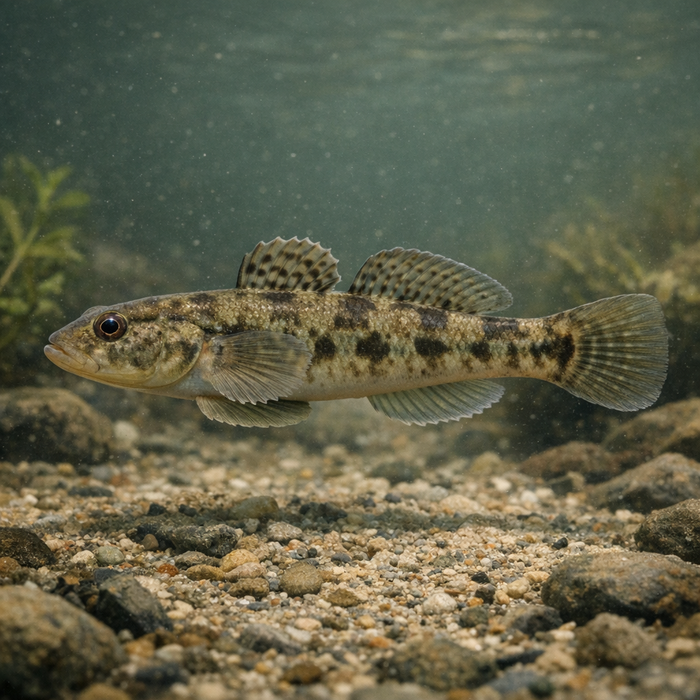
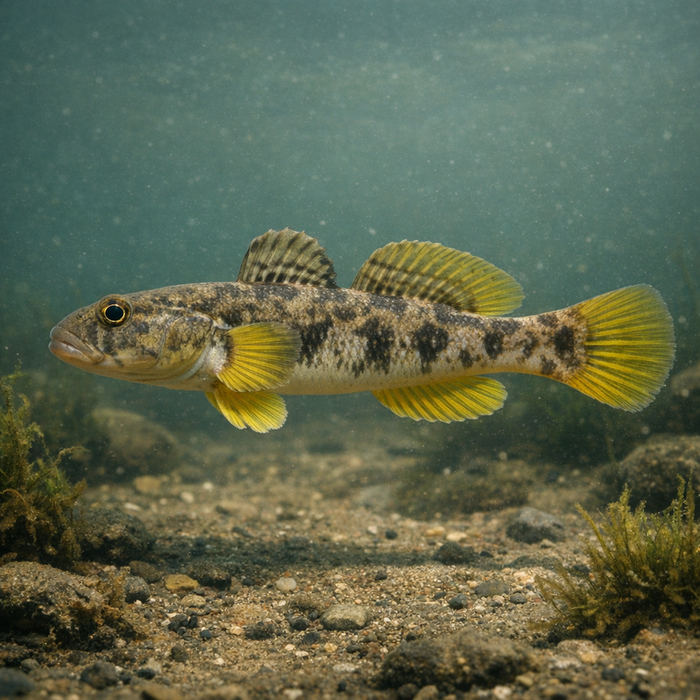
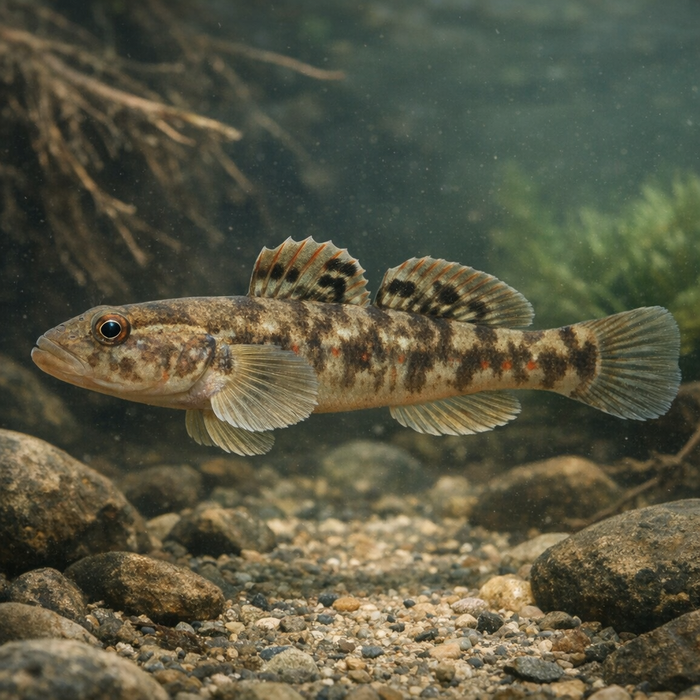
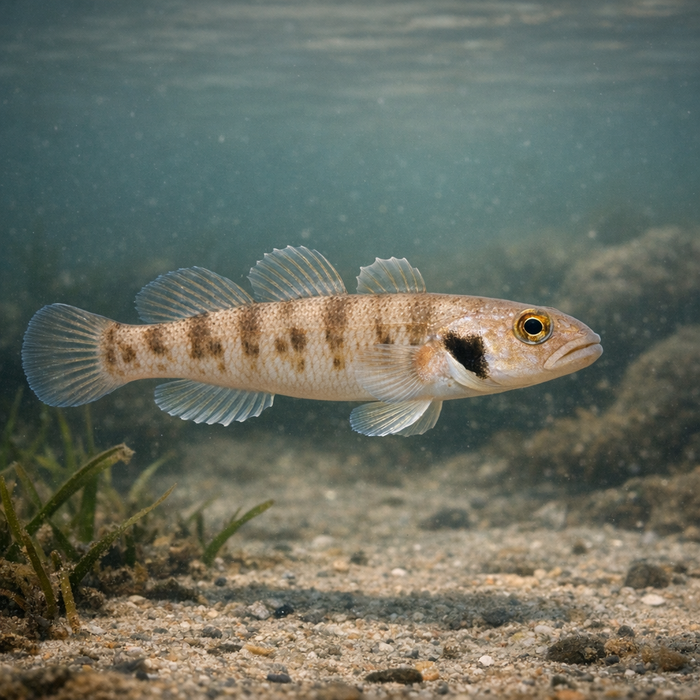
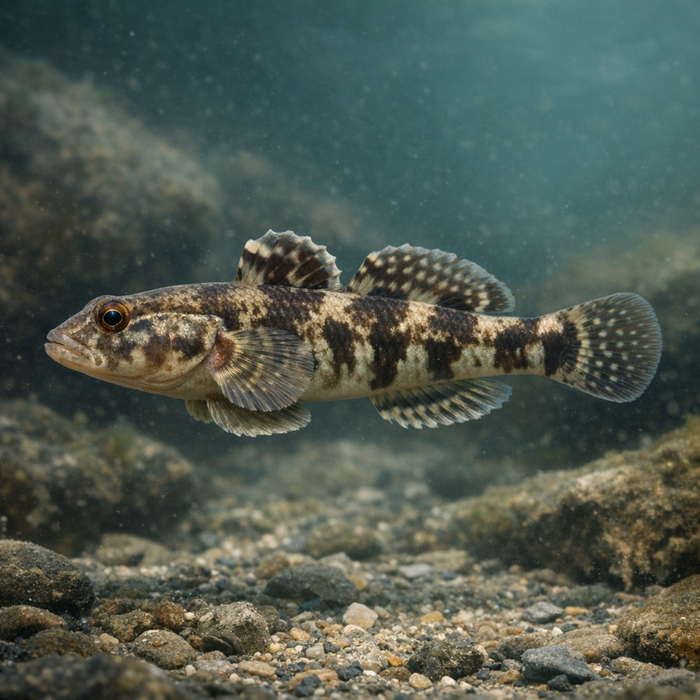
River Goby (Awaous banana): Whitewater ninja with a suction-cup belly and a commute that starts in the ocean.IntroductionThe river goby is the stream's little brawler. It hunkers on slick rocks where most fish won't even try to stand, then power-lifts through chutes like a caffeinated rock climber. Add an amphidromous life story that starts in saltwater and ends in frothy riffles, and you've got a compact, current-obsessed specialist that anglers bump into in tropical creeks from island jungles to mainland headwaters. If you came here for River goby facts that actually help you picture the fish, you're in the right eddy.What Makes the River goby Unique?Two things: the hardware and the commute. First, hardware. The river goby's fused pelvic fins create a sticky suction disc that pins it to boulders, keeping it parked while water blasts past. Paired with raspy lips designed to graze algae and micro-invertebrates, it works the rock face like a janitor with attitude. Second, the commute. Awaous banana hatches in freshwater, its larvae drift to sea, then juveniles fight back upstream to settle and grow. That salt-to-fresh round-trip is the signature move, and it shapes everything from timing to body design.Habitat & Global RangeIf you're scouting River goby habitat, think clear, fast tropical streams with cobble, boulders, and pockets of softer flow behind obstacles. They ride the seams, cling to faces, and feed low to the substrate. You'll also encounter them in lower river reaches and estuaries, especially during post-larval returns when brackish water is just another mile marker. Their range spans much of the Indo-Pacific tropics, including Southeast Asia, the Indian Ocean rim, and a spread of Pacific islands. Local density swings with flow, substrate, and how intact the watershed remains.Behavior & TemperamentThis fish is all about hydraulics. The river goby hugs bottom, darting inches at a time to nip food off rock film or pounce tiny critters washed along the bed. It's not a schooling showboat, but you'll find multiple fish stacked on prime boulders, each with a small keep-out circle. Spooking is situational: in skinny, glassy pools they can be wary; in noisy riffles they're busy and more tolerant. Hooked fish don't run far, but they torque into the current and wedge into structure like they've read the manual on how to pop your hook.Ecological ImportanceRiver gobies are the stream's cleanup crew and conveyor belt. By grazing algae and detritus, they keep rock surfaces from turning into slime farms, which helps oxygen and invertebrate communities thrive. Their amphidromous migration shuttles energy and nutrients between fresh and salt, and their eggs and juveniles feed a parade of predators during the downstream and upstream legs. In short, they're small, but they glue river processes together.Conservation & Environmental PressuresThis species faces the typical tropical river gauntlet: dams, culverts, and silted channels that shut down migration or smother the boulder fields they need. Add polluted runoff and water withdrawals that flatten seasonal flows, and the upstream leg of the journey gets ugly fast. In many places, Awaous banana remains common, but population resilience depends on connected river corridors, clean substrates, and intact estuaries. Even simple road-crossing fixes like fish-friendly culverts can keep the assembly line moving.The FishyAF TakeThe river goby is proof that "trophy" isn't the only reason to fish a species. If you like reading water, placing pinpoint drifts, and watching tiny fish make huge hydraulic flexes, this is your jam. It's technical in a micro way: small hooks, stealthy approaches, and respect for current. Learn the rock garden and you'll learn the goby. And when you want quick River goby facts to humble your buddies, tell them it starts life at sea, then muscle-crawls upstream to punch a timecard on a single boulder. That's grit in a two-ounce package.