American Eel (Anguilla rostrata): The Slippery Survivor of Freshwater and Sea
The American Eel is one of nature’s most enigmatic fish. With its snake-like body and mysterious life cycle, it defies easy classification. It’s not just another fish in the pond; it’s a master of adaptation, a migratory marvel, and a vital piece of aquatic ecosystems across North America. Understanding the American Eel means diving into a story that spans rivers, estuaries, and the open ocean—a journey few fish undertake with such complexity.
What Makes the American Eel Unique?
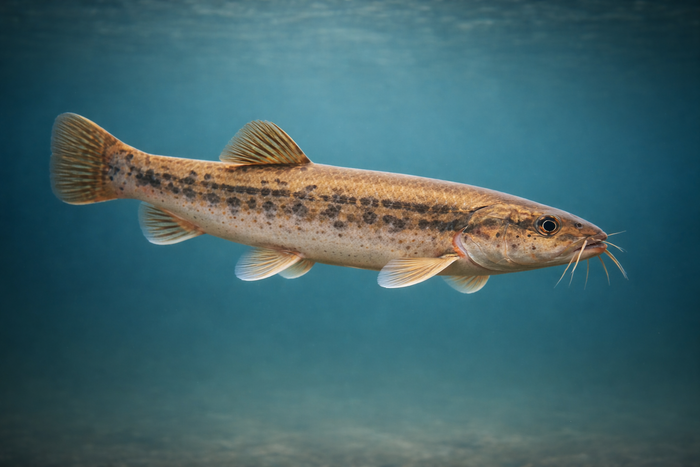
The American Eel’s uniqueness starts with its shape and lifestyle. Unlike typical fish, it has an elongated, almost serpentine body that allows it to slip through tight spaces and even climb damp surfaces. But the real kicker is its life cycle. Born in the Sargasso Sea, these eels embark on a transatlantic migration as larvae, drifting with ocean currents toward the eastern coasts of North America. Once they reach freshwater or brackish habitats, they transform into “elvers” and then mature into adults, living in rivers, lakes, and estuaries for years before returning to the sea to spawn and die.
This catadromous lifestyle—spawning in the ocean but growing up in freshwater—is rare and fascinating. The American Eel’s ability to thrive in both saltwater and freshwater environments is a testament to its physiological versatility. It can regulate its internal salt balance to survive drastic changes in salinity, a skill that few fish master.
Habitat & Global Range
American Eel habitat spans a vast range. They are found along the Atlantic coast of North America, from Greenland and Iceland down to Venezuela. Their freshwater homes include rivers, streams, lakes, and wetlands, often far inland. They are equally comfortable in coastal estuaries and tidal creeks.
This species is a true wanderer. The larvae hatch in the Sargasso Sea, an area of the North Atlantic known for its floating seaweed mats. From there, the larvae ride ocean currents for months, sometimes over a year, before metamorphosing into elvers and migrating upstream. The American Eel’s ability to colonize diverse habitats—from fast-flowing mountain streams to sluggish coastal marshes—makes it a resilient and widespread species.
Behavior & Temperament
American Eels are nocturnal and secretive. During the day, they hide under rocks, logs, or buried in mud. At night, they become active hunters, feeding on a diet of fish, crustaceans, insects, and worms. Their sharp teeth and flexible jaws allow them to seize a variety of prey.
They are solitary creatures, rarely seen schooling or interacting socially. Their temperament is cautious but opportunistic. When threatened, they can produce a slimy coating that makes them slippery and hard to grasp—a natural defense mechanism that frustrates predators and anglers alike.
One of the most remarkable behaviors is their upstream migration as juveniles. Elvers can climb damp vertical surfaces, including man-made structures like dams and waterfalls, using their muscular bodies and suction-like mouths. This ability to overcome physical barriers is critical for accessing inland habitats but is increasingly challenged by human infrastructure.
Ecological Importance
American Eels play a crucial role in aquatic ecosystems. As both predator and prey, they help maintain the balance of freshwater and estuarine food webs. By feeding on a variety of invertebrates and small fish, they control populations that might otherwise explode and disrupt ecosystem stability.
They are also a key food source for larger predators, including birds, larger fish, and mammals. Their migratory nature connects marine and freshwater ecosystems, transferring nutrients and energy between these environments.
Moreover, American Eels contribute to sediment turnover and nutrient cycling through their burrowing and foraging activities. This behavior helps maintain healthy riverbeds and supports the overall productivity of their habitats.
Conservation & Environmental Pressures
Despite their adaptability, American Eels face significant conservation challenges. Their complex life cycle makes them vulnerable at multiple stages. Overfishing, especially of elvers, has put pressure on populations. These young eels are highly prized in some markets, leading to unsustainable harvests.
Habitat fragmentation caused by dams, weirs, and other barriers disrupts their upstream migration, limiting access to critical freshwater habitats. Pollution, climate change, and habitat degradation further threaten their survival by altering water quality and flow regimes.
Conservation efforts focus on improving fish passage, regulating harvests, and restoring habitats. Monitoring populations is difficult due to their elusive nature and wide-ranging movements, but it’s essential for ensuring the species’ future.
The FishyAF Take
The American Eel is a fish that demands respect. It’s not flashy or easy to catch, but it’s a survivor with a story that spans oceans and rivers. Its ability to adapt to wildly different environments and its mysterious migration make it one of the most intriguing species in North America’s waters.
If you want to understand the health of freshwater ecosystems, look no further than the American Eel. Its presence signals a connected, functioning aquatic environment. Protecting this slippery survivor means preserving the intricate web of life that depends on clean water and free-flowing rivers.
American Eel facts and American Eel habitat are more than trivia—they’re keys to understanding a fish that has outlasted ice ages and human impacts alike. The American Eel isn’t just another fish; it’s a living legend of adaptation and endurance.