Sheepshead Minnow (Cyprinodon variegatus): The Tiny Tank of Coastal Waters That Refuses to Blend In
Meet the Sheepshead Minnow, a small but scrappy fish that punches well above its weight in the coastal ecosystems of the Americas. This species is not your average minnow. With a bold appearance and an even bolder attitude, the Sheepshead Minnow thrives where many others would flounder. If you’re diving into Sheepshead Minnow facts, prepare to discover a fish that’s as fascinating in behavior as it is resilient in habitat.
What Makes the Sheepshead Minnow Unique?
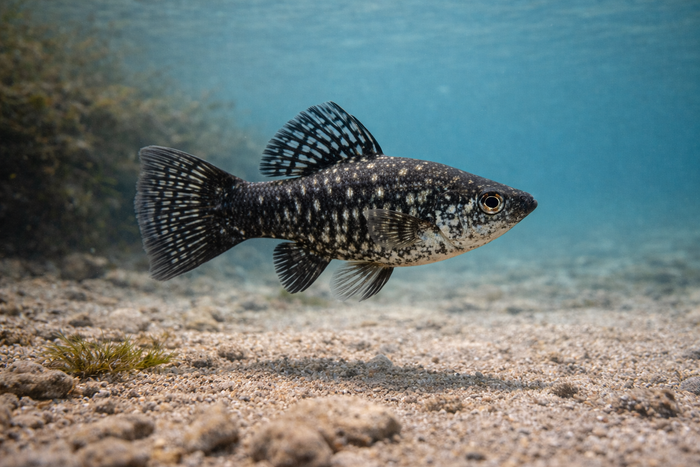
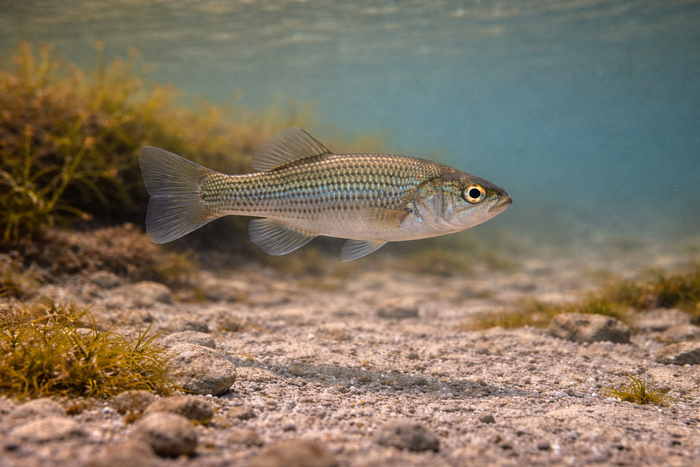
The Sheepshead Minnow stands out immediately thanks to its distinctive, almost punk-rock coloration and robust body shape. Males, especially during breeding season, sport striking black and white vertical bars, giving them a zebra-like appearance that’s hard to ignore. Females and juveniles are more muted but still carry a subtle pattern that sets them apart from other minnows.
Beyond looks, this fish is a master of survival. It tolerates extreme variations in salinity, temperature, and oxygen levels that would send most fish into a tailspin. This adaptability is a key Sheepshead Minnow fact that explains its success in some of the toughest coastal environments. It’s a species built for endurance, not just flash.
Habitat & Global Range
The Sheepshead Minnow calls the brackish and saltwater marshes, tidal creeks, and estuaries of the western Atlantic its home. Its range stretches from the northeastern United States all the way down to the Gulf of Mexico and parts of the Caribbean. This fish thrives in Sheepshead Minnow habitat that fluctuates wildly—think shallow waters where tides ebb and flow, salinity spikes, and temperatures swing.
These environments are challenging, but the Sheepshead Minnow has carved out a niche where competition is less fierce. It often inhabits areas with dense vegetation or muddy bottoms, places that provide both food and cover. This fish’s ability to handle low oxygen and high salinity means it can exploit habitats that are off-limits to many other species.
Behavior & Temperament
Don’t let its size fool you. The Sheepshead Minnow is a feisty little character. Males are territorial and aggressive, especially during breeding season when they defend their patch of turf with surprising vigor. Their bold coloration isn’t just for show; it’s a warning sign to rivals and a beacon to potential mates.
Feeding-wise, this minnow is an opportunistic omnivore. It grazes on algae, detritus, small invertebrates, and plankton, adapting its diet based on availability. This dietary flexibility is another reason it thrives in variable environments.
Socially, Sheepshead Minnows can be found in loose groups but don’t expect tight schooling behavior. Their interactions are more about individual dominance and territory than cooperative swimming. They’re scrappy survivors, not team players.
Ecological Importance
The Sheepshead Minnow plays a crucial role in its ecosystem. As both predator and prey, it forms a vital link in the coastal food web. By feeding on algae and detritus, it helps control primary production and contributes to nutrient cycling. Its predation on small invertebrates keeps those populations in check, maintaining ecological balance.
Meanwhile, the Sheepshead Minnow itself is a key food source for larger fish, birds, and other predators. Its presence supports biodiversity and the health of coastal habitats. Without species like this, the delicate equilibrium of estuarine ecosystems would falter.
Conservation & Environmental Pressures
Despite its hardiness, the Sheepshead Minnow faces threats from habitat degradation, pollution, and climate change. Coastal development and water pollution reduce the quality and availability of its habitat. Rising temperatures and altered salinity patterns from climate shifts could push the limits of even this adaptable fish.
Currently, the Sheepshead Minnow is not considered endangered, but monitoring is essential. Protecting estuarine environments and maintaining water quality are critical steps to ensure this species continues to thrive. The resilience of the Sheepshead Minnow is impressive, but it’s not invincible.
The FishyAF Take
The Sheepshead Minnow is a perfect example of how toughness and adaptability can trump size and flash. It’s a fish that refuses to be overlooked, whether by predators or scientists. Its bold patterns and aggressive behavior make it memorable, but its ecological role and environmental resilience are what truly set it apart.
If you’re interested in coastal fish species or want to understand how life persists in challenging habitats, the Sheepshead Minnow is a must-know. It’s a small fish with a big story—one of survival, adaptation, and ecological importance. Keep an eye out for this coastal warrior next time you’re exploring tidal waters. It’s a reminder that sometimes the most unassuming creatures are the toughest players in the game.