Rainwater Killifish (Lucania parva): Small Fish, Big Attitude, and a Masterclass in Survival
The Rainwater Killifish, Lucania parva, might not be the flashiest fish in the tank or the ocean, but don’t let its modest size fool you. This species packs a punch with its adaptability, resilience, and ecological role. If you’re diving into the world of salt-tolerant killifish, the Rainwater Killifish is a standout example of evolutionary finesse. It’s a species that thrives where fresh meets salt, making it a fascinating subject for anyone interested in coastal ecosystems or hardy fish species.
What Makes the Rainwater Killifish Unique?
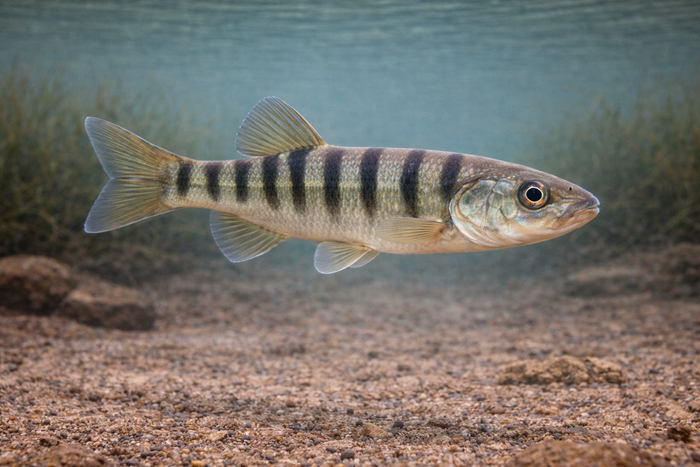
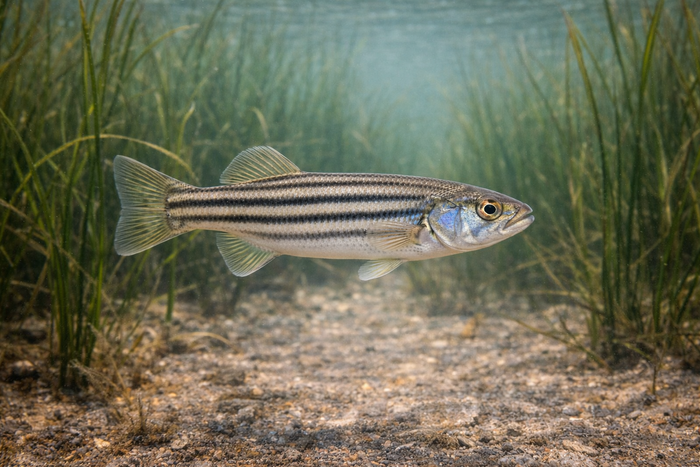
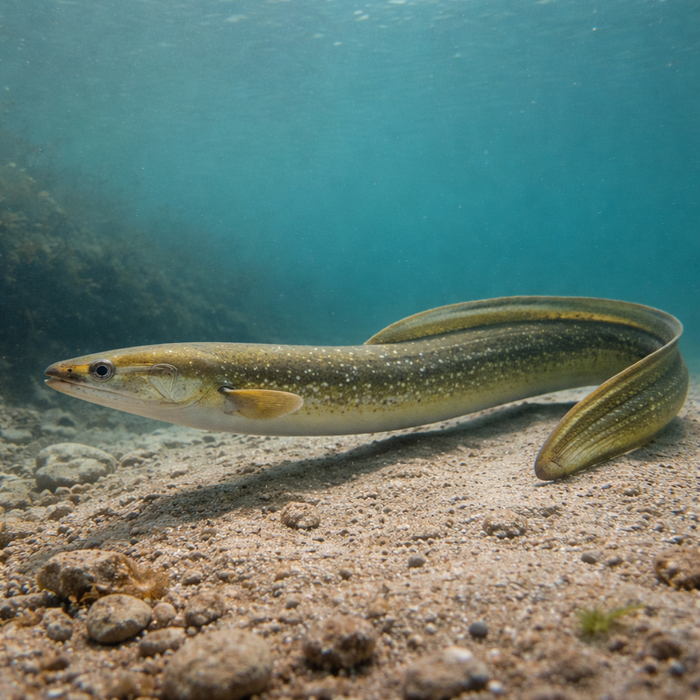
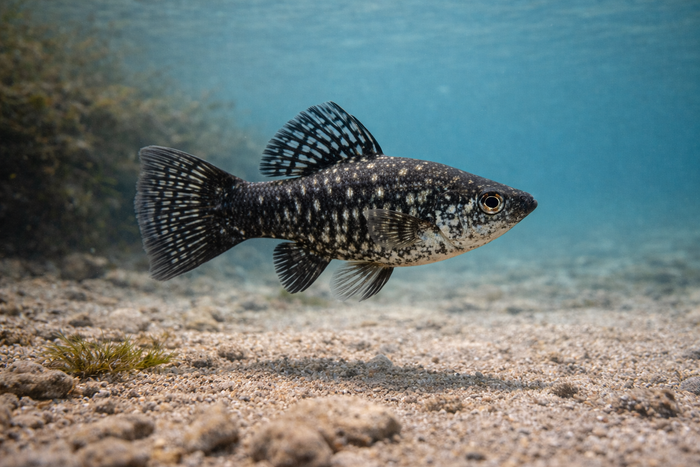
Lucania parva is not your average killifish. Unlike many of its freshwater cousins, it comfortably navigates brackish and even marine environments. This ability to tolerate a wide range of salinities is a hallmark of the species. The Rainwater Killifish’s body is sleek and streamlined, with a silvery sheen that reflects its coastal habitat. Males often sport subtle but distinct coloration during breeding, adding a splash of personality to their otherwise understated appearance.
The species’ reproductive strategy is another point of interest. Rainwater Killifish are egg scatterers, but their eggs have a remarkable tolerance for varying salinity levels, ensuring survival in fluctuating estuarine conditions. This flexibility in reproduction is a key factor in their success across diverse habitats.
Habitat & Global Range
Rainwater Killifish facts are closely tied to their habitat preferences. Native to the Atlantic coast of North America, their range extends from New Jersey down through the Gulf of Mexico and into parts of the Caribbean. They are quintessential estuarine dwellers, thriving in the brackish waters where rivers meet the sea. Their habitat includes tidal creeks, salt marshes, and coastal lagoons.
What sets their Rainwater Killifish habitat apart is the constant change in salinity and water conditions. These fish have evolved to handle these fluctuations with ease, making them a resilient component of their ecosystems. They often occupy the shallow margins of these waters, where they can find ample food and shelter from larger predators.
Behavior & Temperament
The Rainwater Killifish is a small but feisty player in its environment. Behaviorally, it’s an active swimmer, often seen darting through submerged vegetation or around oyster beds. Their temperament is generally peaceful, but they can be territorial during breeding season. Males will establish small territories and display to attract females, using their subtle coloration and quick movements as signals.
In a community setting, Rainwater Killifish tend to get along with other small fish species, making them a potential candidate for brackish water aquariums. However, their high activity level means they need space to swim and plenty of hiding spots. They are opportunistic feeders, consuming a diet of small invertebrates, larvae, and detritus, which keeps them well-nourished and integral to the food web.
Ecological Importance
The Rainwater Killifish plays a crucial role in estuarine ecosystems. As both predator and prey, it helps maintain the balance of invertebrate populations while providing a food source for larger fish, birds, and other wildlife. Their feeding habits contribute to controlling mosquito larvae and other pests, indirectly benefiting human populations in coastal areas.
Moreover, their presence is an indicator of healthy estuarine environments. Because they require specific conditions to thrive, changes in their populations can signal shifts in water quality or habitat integrity. This makes them valuable for ecological monitoring and conservation efforts.
Conservation & Environmental Pressures
While the Rainwater Killifish is not currently listed as endangered, it faces challenges from habitat degradation and pollution. Coastal development, water contamination, and the destruction of salt marshes threaten the delicate balance of their habitat. Rising sea levels and climate change add another layer of pressure, potentially altering the salinity and temperature regimes these fish depend on.
Protecting Rainwater Killifish habitat means preserving the complex estuarine systems that support countless species. Conservation efforts focused on wetland restoration, pollution control, and sustainable coastal management will benefit this species and the broader ecological communities they support.
The FishyAF Take
The Rainwater Killifish is a testament to adaptability and subtle strength. It’s not the showiest fish, but it’s a survivor with a vital ecological role. For enthusiasts and researchers alike, Lucania parva offers a window into the dynamic world of estuarine life. Its ability to handle shifting salinity and environmental conditions makes it a model species for studying resilience in coastal ecosystems.
If you’re looking to understand how small fish can make a big impact, the Rainwater Killifish is a prime example. It reminds us that in the fish world, size isn’t everything—attitude, adaptability, and ecological function matter just as much. Whether you’re tracking Rainwater Killifish facts or exploring their habitat, this species demands respect for its quiet but powerful presence in the brackish waters of the Atlantic coast.