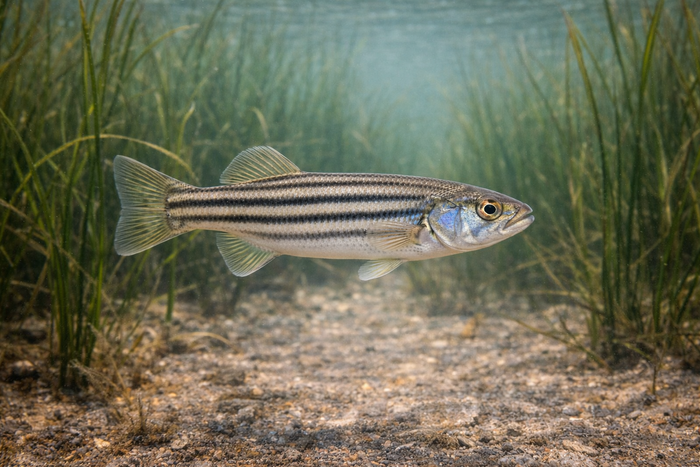
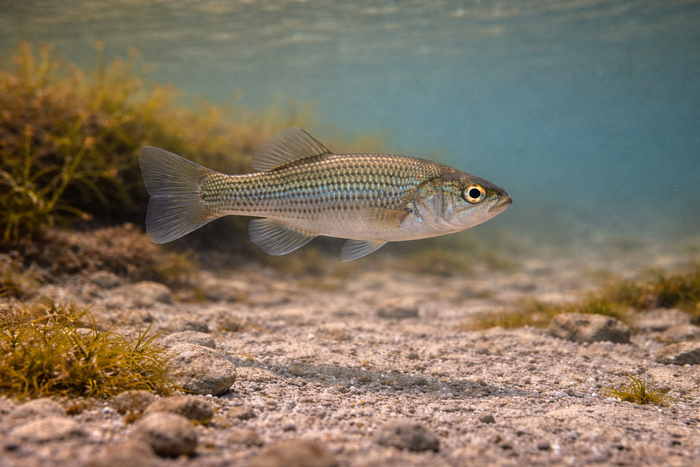
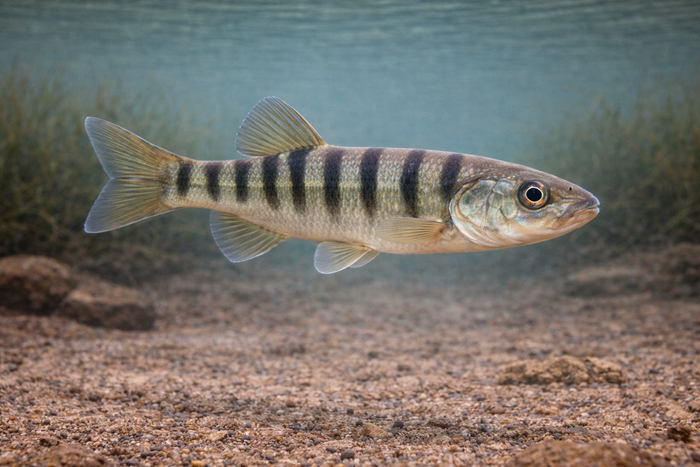
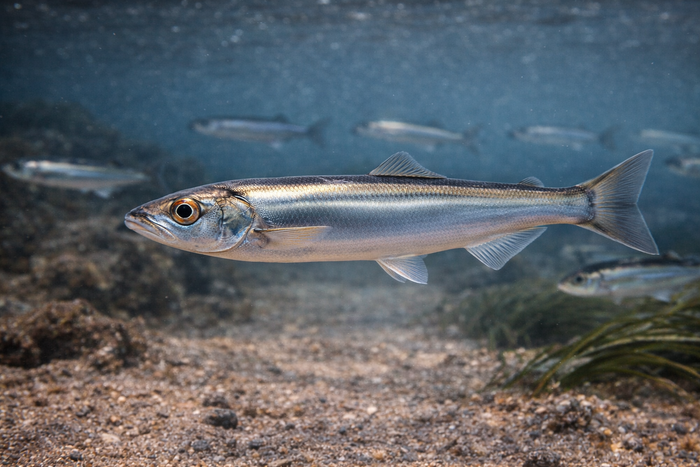
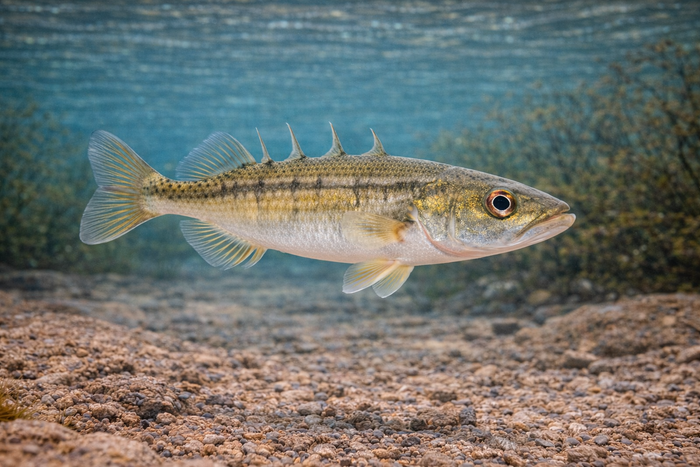
Mummichog (Fundulus heteroclitus): The Hardy Survivor of Brackish Waters
The Mummichog is no ordinary minnow. This scrappy little fish has carved out a niche in some of the toughest coastal environments along the Atlantic seaboard. Known scientifically as Fundulus heteroclitus, the Mummichog defies expectations with its resilience, adaptability, and ecological significance. If you think small fish are simple, the Mummichog will make you think twice.
What Makes the Mummichog Unique?
The Mummichog stands out because it thrives where many fish would perish. It tolerates extreme fluctuations in salinity, temperature, and oxygen levels that would send most species swimming for safer waters. This adaptability is not just a survival trick; it’s a full-on lifestyle. The Mummichog’s physiology allows it to endure hypoxic conditions and even survive brief periods out of water. Its ability to switch between freshwater and saltwater environments is a rare trait that makes it a model organism in environmental and evolutionary research.
Its reproductive strategy is another point of interest. Mummichogs spawn in shallow, vegetated areas during spring and summer, laying eggs that can withstand low oxygen and variable salinity. This reproductive resilience ensures their populations remain stable despite environmental challenges. Plus, their diet is impressively varied, ranging from algae and detritus to small invertebrates, making them opportunistic feeders that fit snugly into their ecosystem’s food web.
Habitat & Global Range
Mummichog habitat is primarily coastal marshes, estuaries, tidal creeks, and salt marshes along the eastern coast of North America. Their range stretches from the cold waters of Newfoundland down to the warmer shores of northern Florida. This broad distribution is a testament to their adaptability.
They prefer brackish environments where saltwater and freshwater mix, but they are equally comfortable in pure freshwater or full marine conditions. This flexibility allows them to exploit habitats that fluctuate dramatically with tides and seasons. The Mummichog’s presence in these transitional zones is a key indicator of estuarine health.
Behavior & Temperament
Don’t expect flashy displays or aggressive territorial battles from the Mummichog. Their behavior is straightforward but effective. They are bottom dwellers, often seen darting among submerged vegetation or hiding under debris. Their movements are deliberate, conserving energy in environments where oxygen can be scarce.
Mummichogs are schooling fish, which provides safety in numbers against predators. They exhibit a calm temperament, making them relatively easy to observe and study. Their resilience extends to their social behavior; they tolerate crowding and environmental stress without significant aggression.
Ecological Importance
The Mummichog plays a crucial role in coastal ecosystems. As both predator and prey, it forms a vital link in the food chain. It controls populations of small invertebrates and algae, helping maintain ecological balance. At the same time, it serves as a key food source for larger fish, birds, and even some mammals.
Their ability to survive in polluted and variable environments makes them excellent bioindicators. Scientists monitor Mummichog populations and health to assess the impact of environmental changes, pollution, and habitat degradation. This fish is a frontline sentinel for coastal ecosystem integrity.
Conservation & Environmental Pressures
Despite their hardiness, Mummichogs face threats from habitat loss, pollution, and climate change. Coastal development and marsh drainage reduce available habitat, while chemical contaminants can disrupt their reproductive success and physiology. Rising temperatures and sea-level changes also alter the delicate balance of their brackish environments.
Conservation efforts focus on protecting estuarine habitats and improving water quality. Preserving salt marshes and tidal wetlands benefits not only Mummichogs but entire coastal communities. Their resilience should not be mistaken for invulnerability; ongoing environmental pressures require vigilant stewardship.
The FishyAF Take
The Mummichog is a masterclass in survival and adaptability. It’s not flashy or exotic, but it’s essential. This fish embodies the grit needed to thrive in unstable environments, making it a cornerstone species in coastal ecosystems. For anyone interested in estuarine biology, environmental science, or just appreciating nature’s tough little fighters, the Mummichog offers a wealth of insight.
If you want to understand how life persists against the odds, start with the Mummichog. Its story is one of endurance, ecological balance, and quiet importance. Keep an eye on this humble fish next time you’re near a salt marsh—you’re looking at a creature that has mastered the art of living on the edge.