Capelin (Mallotus villosus): The Arctic’s Tiny Powerhouse That Moves Mountains of Fish
Capelin may be small, but they punch well above their weight in the marine world. These silvery, sardine-like fish are a cornerstone species in Arctic and sub-Arctic ecosystems. If you’ve never heard of them, it’s time to get familiar. Capelin are the unsung heroes of the cold northern seas, fueling entire food webs and driving seasonal spectacles that define the region’s marine life. This guide dives deep into capelin facts, their habitat, behavior, and why they matter more than you might think.
What Makes the Capelin Unique?
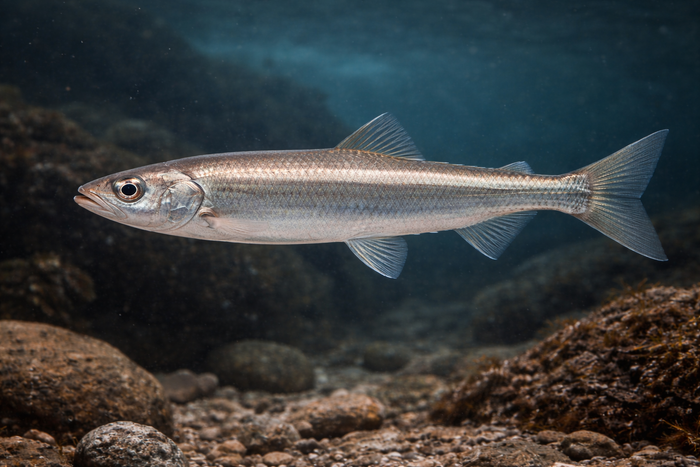
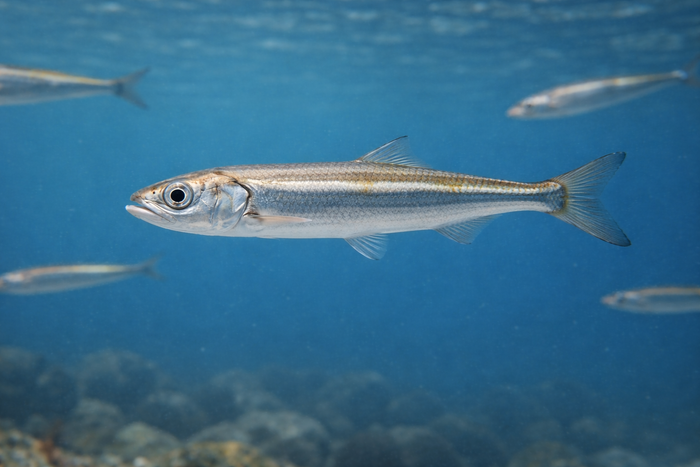
Capelin are not just another forage fish. Their defining trait is their extraordinary role as a keystone species. They convert microscopic plankton into a buffet for predators ranging from cod and seabirds to whales and seals. Unlike many fish, capelin spawn on beaches and shallow waters, creating massive, noisy gatherings that look like fishy block parties. Their spawning runs can stretch for miles, with millions of individuals turning the shoreline into a writhing carpet of life.
Physiologically, capelin are built for cold. They thrive in near-freezing waters and have adapted to survive in some of the harshest marine environments on Earth. Their streamlined bodies and schooling behavior make them efficient swimmers and elusive prey. Plus, capelin have a short, intense life cycle, usually living just a few years, which keeps their populations dynamic and responsive to environmental changes.
Habitat & Global Range
Capelin habitat spans the Arctic and sub-Arctic waters of the North Atlantic and North Pacific. They are found from the Barents Sea and Greenland down to the northern coasts of the Atlantic, and across to the Bering Sea and northern Pacific regions. Their range is tightly linked to cold, nutrient-rich waters where plankton blooms fuel their feeding frenzy.
Seasonally, capelin migrate between offshore feeding grounds and nearshore spawning sites. This migration is a critical part of their life cycle and shapes the ecology of the regions they inhabit. The spawning habitat is particularly notable—shallow, gravelly beaches and rocky shores where females deposit sticky eggs that cling to substrate until hatching. This spawning behavior is a spectacle that attracts predators and human observers alike.
Behavior & Temperament
Capelin are schooling fish, and their social behavior is a survival strategy. Large, synchronized schools confuse predators and optimize feeding efficiency. Their schooling is so tight and coordinated it looks like a single organism moving through the water.
During spawning season, capelin behavior shifts dramatically. They gather in enormous numbers, often in shallow waters, where males compete fiercely for females. The spawning frenzy is intense, with fish jostling and bumping each other in a chaotic dance to ensure reproductive success. After spawning, most capelin die, making their life cycle semelparous—one big reproductive event before death.
Outside spawning, capelin are opportunistic feeders, primarily consuming plankton like copepods and krill. Their feeding habits directly link them to the productivity of their habitat, making them sensitive indicators of ocean health.
Ecological Importance
Capelin are the linchpin of Arctic marine food webs. Their abundance and energy transfer capacity support a wide array of predators. Cod, one of the most economically important fish species, relies heavily on capelin as a food source. Seabirds like puffins and kittiwakes time their breeding to coincide with capelin spawning runs, ensuring a reliable food supply for their chicks.
Marine mammals, including seals and whales, also depend on capelin, especially during the harsh winter months when other prey is scarce. The sheer biomass of capelin moving through Arctic waters each year is staggering, making them a critical energy conduit from lower trophic levels to top predators.
Their spawning events also contribute nutrients to coastal ecosystems. When capelin die after spawning, their decomposing bodies fertilize nearshore waters and sediments, boosting productivity and supporting benthic communities.
Conservation & Environmental Pressures
Despite their abundance, capelin face significant environmental pressures. Climate change is the biggest threat, altering sea temperatures and plankton communities that capelin depend on. Warmer waters can disrupt their spawning timing and reduce survival rates of eggs and larvae.
Overfishing in some regions has also raised concerns, though capelin fisheries are generally managed with caution due to their ecological importance. Still, localized depletion can have cascading effects on predator populations and ecosystem stability.
Pollution and habitat disturbance, especially in spawning areas, pose additional risks. Coastal development and increased shipping traffic can degrade critical spawning beaches, reducing reproductive success.
Monitoring capelin populations is essential for maintaining Arctic marine health. Their sensitivity to environmental changes makes them a valuable indicator species, signaling shifts that could ripple through the entire ecosystem.
The FishyAF Take
Capelin might be small, but their impact is colossal. They are the Arctic’s unsung MVPs, quietly fueling some of the planet’s most iconic marine species and ecosystems. Understanding capelin facts and their habitat is not just an academic exercise—it’s a window into the health of northern oceans facing rapid change.
If you want to grasp how energy flows through cold-water ecosystems, start with capelin. Their life cycle, behavior, and ecological role are a masterclass in evolutionary adaptation and ecosystem engineering. They remind us that sometimes the smallest players hold the biggest stakes. Protecting capelin means protecting the Arctic’s future—and that’s a catch worth making.