Smelt (Osmerus mordax): Tiny Fish, Big Impact
Smelt might not be the flashiest fish in the water, but they punch well above their weight in ecological and cultural significance. Known scientifically as Osmerus mordax, these small, silvery fish have earned a reputation for their bold spawning runs and their role as a crucial link in aquatic food webs. Whether you’re a seasoned angler, an environmental enthusiast, or just curious about the fish that shape our waterways, understanding smelt is essential. This guide dives into smelt facts, their habitat, behavior, and why they matter more than you might think.
What Makes the Smelt Unique?
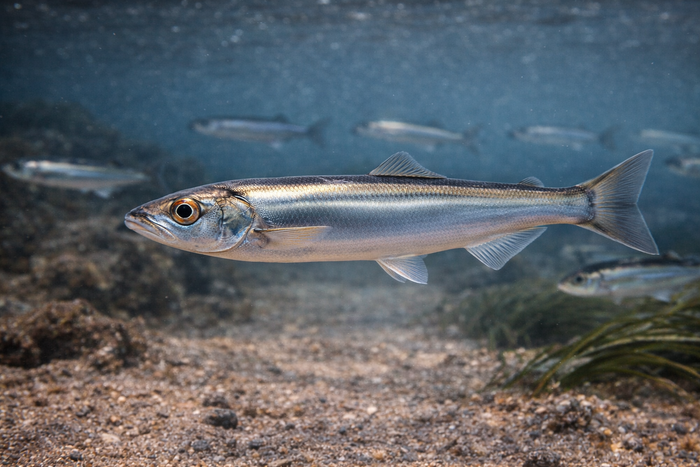
Smelt stand out for several reasons. First, their size belies their importance. These slender, translucent fish rarely grow larger than 8 inches, but they are a keystone species in many freshwater and coastal ecosystems. Their shimmering bodies and distinctive cucumber-like smell make them easy to identify. Unlike many fish, smelt are anadromous, meaning they migrate from saltwater to freshwater to spawn. This migration is a spectacular natural event, drawing predators and anglers alike.
Another unique trait is their spawning behavior. Smelt spawn in large, synchronized runs, often at night, over gravel or sandy riverbeds. The sheer numbers involved create a feeding frenzy for larger fish, birds, and mammals. This reproductive strategy ensures their survival despite heavy predation. Their eggs are adhesive, sticking to substrates, which helps protect the next generation from being swept away.
Habitat & Global Range
Smelt habitat spans a broad range of cold and temperate waters across North America and parts of Asia. They thrive in coastal marine environments but are most famous for their freshwater spawning grounds. Smelt habitat includes rivers, lakes, estuaries, and nearshore ocean waters. Their preference for cool, oxygen-rich water means they are often found in northern latitudes, from the Atlantic coast of Canada and the northeastern United States to the Great Lakes and Pacific Northwest.
The adaptability of smelt to both saltwater and freshwater environments is a key survival factor. During the majority of the year, they inhabit coastal marine waters, feeding on plankton and small invertebrates. When spawning season hits, they migrate upstream into rivers and streams with clean, well-oxygenated water. This dual habitat use makes smelt a fascinating subject for studying fish migration and habitat connectivity.
Behavior & Temperament
Smelt behavior is a study in efficiency and survival. They are schooling fish, moving in tight, synchronized groups that confuse predators and optimize feeding. Their diet mainly consists of zooplankton, insect larvae, and small crustaceans, making them important consumers at the base of the aquatic food chain.
During spawning runs, smelt become more aggressive and active. They often swim upstream in large numbers, sometimes leaping over small obstacles. This behavior attracts a host of predators, including larger fish like trout and bass, as well as birds such as gulls and herons. Despite their small size, smelt are surprisingly resilient, able to withstand rapid changes in water temperature and salinity during migration.
Temperament-wise, smelt are not the kind of fish you keep in a home aquarium. Their schooling nature and migratory instincts make them poor candidates for captivity. However, their bold spawning runs make them a favorite target for recreational fishing, especially in northern regions where smelt festivals celebrate their arrival.
Ecological Importance
Smelt are ecological linchpins. Their role as both predator and prey is critical to maintaining balanced aquatic ecosystems. By feeding on plankton and small invertebrates, smelt help regulate these populations, preventing overgrowth that could disrupt water quality.
More importantly, smelt serve as a vital food source for a wide array of predators. Larger fish species, birds, and even some mammals rely heavily on smelt during their spawning runs. This seasonal abundance supports the reproductive success and survival of many species higher up the food chain.
Smelt also contribute to nutrient cycling. Their migration from saltwater to freshwater transports marine nutrients upstream, enriching river ecosystems. This nutrient input supports aquatic plants and microorganisms, which in turn sustain diverse aquatic communities.
Conservation & Environmental Pressures
Despite their resilience, smelt face significant environmental pressures. Habitat degradation, pollution, and climate change threaten their spawning grounds and overall populations. Urban development and dam construction block access to traditional spawning sites, disrupting their life cycle.
Water pollution, particularly from agricultural runoff and industrial waste, reduces water quality in smelt habitat. This can lead to lower oxygen levels and increased toxins, which impair smelt health and reproduction. Climate change adds another layer of complexity by altering water temperatures and flow patterns, potentially mismatching smelt spawning timing with optimal environmental conditions.
In some regions, invasive species compete with or prey on smelt, further stressing populations. While smelt are not currently listed as endangered, localized declines have prompted conservation efforts focused on habitat restoration, pollution control, and fish passage improvements.
The FishyAF Take
Smelt may be small, but they are mighty players in aquatic ecosystems. Their unique life cycle, ecological role, and cultural significance make them a species worth knowing. If you want to understand the health of northern freshwater and coastal systems, tracking smelt populations and their habitat is a smart place to start.
For anglers and environmentalists alike, smelt offer a window into the complex interplay between species and habitats. Their bold spawning runs are not just a spectacle; they are a vital pulse in the rhythm of aquatic life. Protecting smelt habitat means safeguarding countless other species and the integrity of entire ecosystems.
So next time you hear about smelt, remember: these shimmering little fish carry a big ecological punch. They remind us that size isn’t everything, and sometimes the smallest players make the biggest waves.