White Perch (Morone americana): The Underrated Contender of North American Waters
The White Perch is often mistaken for its more glamorous cousins, but this scrappy fish deserves a spotlight of its own. Morone americana is a freshwater and brackish water species that punches well above its weight in terms of ecological impact and angling appeal. Known for its silvery sheen and aggressive feeding habits, the White Perch is a staple in many North American waterways. If you’re looking to understand a fish that’s both resilient and resourceful, the White Perch is your go-to.
What Makes the White Perch Unique?
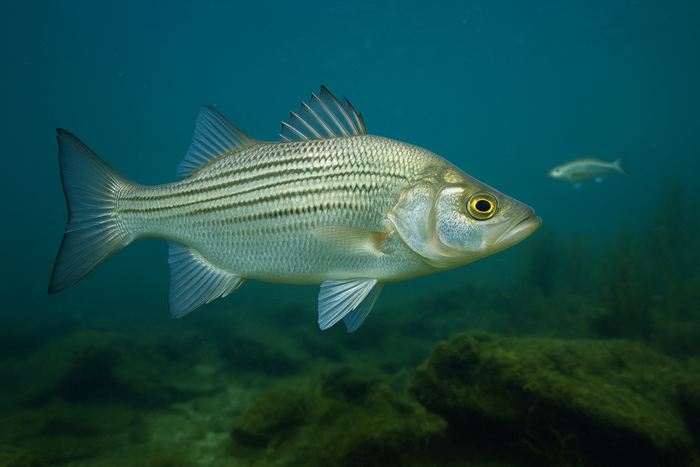
White Perch is not a true perch despite the name. It belongs to the Moronidae family, closely related to striped bass and other temperate bass species. This fish stands out because of its adaptability to a wide range of salinities, thriving in fresh, brackish, and even some coastal marine environments. Its body is deep and laterally compressed, with a distinctive silvery-white coloration that gives it a ghostly appearance underwater.
One of the most notable White Perch facts is its aggressive feeding behavior. It’s a voracious predator, feeding on small fish, crustaceans, and insect larvae. This makes it a key player in controlling populations of smaller aquatic organisms. Unlike many fish that rely on stealth, the White Perch attacks with speed and persistence, making it a favorite among anglers who appreciate a spirited fight.
Habitat & Global Range
White Perch habitat spans the eastern seaboard of North America, from the St. Lawrence River down to the Chesapeake Bay and parts of the southeastern United States. It’s a species that thrives in estuaries, rivers, lakes, and reservoirs. Its ability to tolerate varying salinity levels means it can move between freshwater and brackish environments with ease, often following food sources or seasonal changes.
This fish is especially common in the Chesapeake Bay watershed, where it has become a dominant species in many tributaries. It’s also found in the Great Lakes region, where it was introduced and has since established self-sustaining populations. The White Perch’s adaptability to different water conditions makes it a resilient species capable of expanding its range when conditions are favorable.
Behavior & Temperament
White Perch are schooling fish, often found in large groups that move through the water column in search of food. Their schooling behavior provides protection from predators but also amplifies their impact on prey populations. They are most active during dawn and dusk, times when their prey is also on the move.
Their temperament is aggressive, especially when feeding. White Perch don’t hesitate to chase down smaller fish or invertebrates, and they can be quite competitive within their schools. This aggression extends to spawning, where males become territorial and protective of nesting sites. Spawning typically occurs in spring when water temperatures rise, with females laying eggs on submerged vegetation or rocky substrates.
Ecological Importance
White Perch play a crucial role in their ecosystems. As mid-level predators, they help regulate populations of smaller fish and invertebrates, maintaining a balance that supports overall aquatic health. Their feeding habits can influence the abundance of species like young bluegill, minnows, and various crustaceans.
Additionally, White Perch serve as a vital food source for larger predatory fish, birds, and mammals. Their presence supports the food web from multiple angles, making them an integral component of aquatic biodiversity. In some systems, they have become so abundant that they shape the structure of fish communities, sometimes outcompeting native species.
Conservation & Environmental Pressures
Despite their hardiness, White Perch face environmental pressures that could impact their populations. Habitat degradation, pollution, and changes in water salinity due to human activity threaten the delicate balance they depend on. In some areas, overfishing has also raised concerns, although White Perch are generally more resilient than many other species.
Invasive species and habitat alteration can disrupt White Perch spawning grounds and food availability. Climate change adds another layer of complexity, potentially shifting their range and altering the timing of critical life events like spawning. Conservation efforts focus on maintaining water quality and protecting estuarine habitats to ensure White Perch populations remain stable.
The FishyAF Take
White Perch might not have the flashiest reputation, but they are a powerhouse species that deserves respect. Their adaptability, aggressive feeding, and ecological role make them a fascinating subject for anglers and biologists alike. If you want a fish that embodies resilience and resourcefulness, the White Perch is a prime example.
Understanding White Perch facts and White Perch habitat is key to appreciating how this species fits into the broader aquatic landscape. They’re not just another silvery fish in the water; they’re a dynamic force shaping ecosystems and challenging anglers. Next time you’re on the water, don’t overlook the White Perch. They’re a reminder that sometimes the most unassuming fish pack the biggest punch.