Yellow Bass (Morone mississippiensis): Stripes That Command Attention and a Bite That Demands Respect
The Yellow Bass is not your average freshwater fish. With its striking yellow-gold stripes and aggressive schooling behavior, it stands out in the crowded world of North American freshwater species. Often overshadowed by its more famous relatives like the Striped Bass or White Bass, the Yellow Bass carves its own niche with a distinct look and a feisty attitude. This species is a favorite among anglers who appreciate a spirited fight and a fish that’s as visually captivating as it is challenging to catch.
What Makes the Yellow Bass Unique?
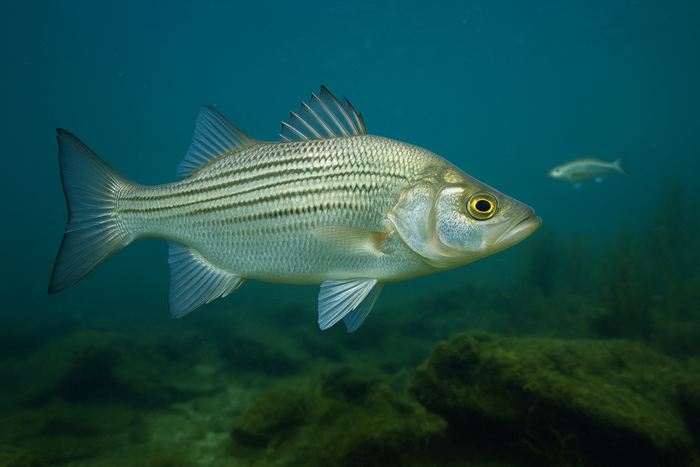
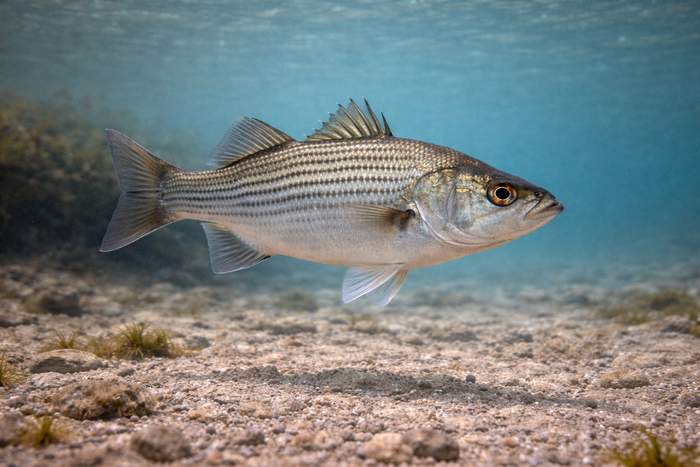
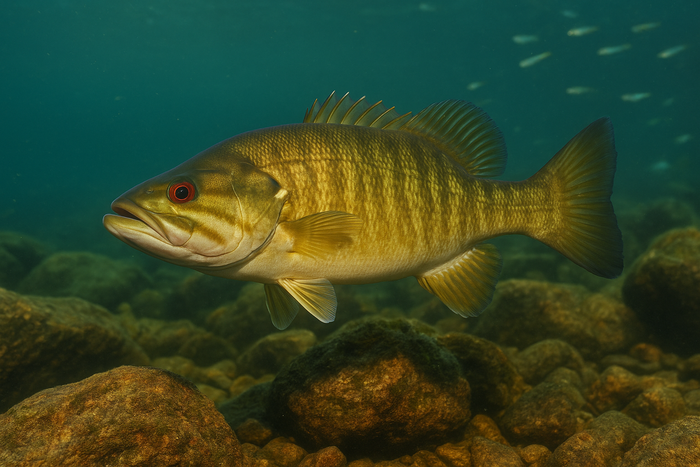
Yellow Bass are instantly recognizable thanks to their bold, horizontal yellow stripes running along a silvery body. Unlike the more common White Bass, which sports black stripes, the Yellow Bass’s coloration is a vivid yellow that almost glows underwater. This coloration isn’t just for show—it helps them blend into the sun-dappled waters they prefer.
Another unique feature is their schooling behavior. Yellow Bass often travel in tight, coordinated groups, which can make them tricky to target but rewarding once you crack their code. Their mouth structure and sharp teeth allow them to prey on smaller fish and invertebrates with precision, making them efficient predators in their ecosystem.
Habitat & Global Range
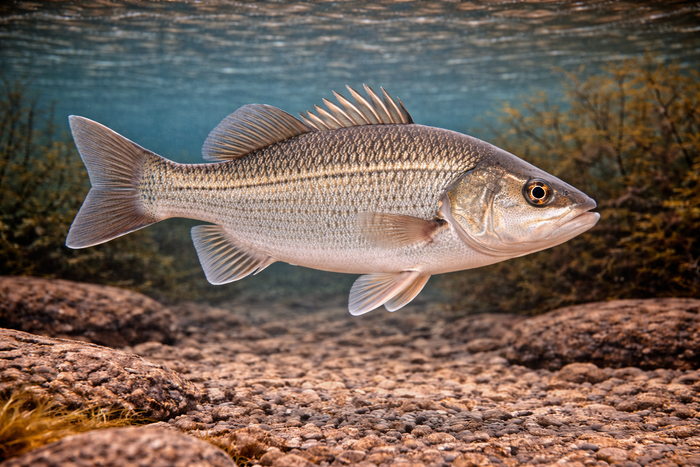
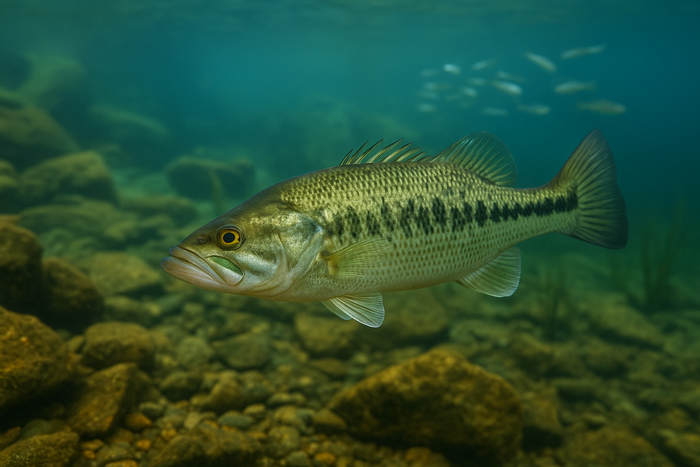
Yellow Bass are native to the Mississippi River basin and its tributaries, primarily found in the central United States. Their range extends through states like Missouri, Arkansas, and Louisiana, with populations thriving in reservoirs, large rivers, and lakes. When discussing Yellow Bass habitat, it’s important to note their preference for clear, moderately deep waters with ample cover such as submerged timber, rocky ledges, or aquatic vegetation.
Unlike some bass species that prefer slow-moving or stagnant waters, Yellow Bass are often found in areas with moderate current. They thrive in environments where oxygen levels are stable and food sources are abundant. Seasonal movements are common, with fish migrating to shallower waters during spawning season in spring and retreating to deeper pools as temperatures rise.
Behavior & Temperament
Yellow Bass are aggressive feeders and opportunistic predators. Their schooling behavior is a survival tactic, but it also influences their feeding strategy. They hunt in packs, chasing down baitfish with coordinated strikes that can turn a calm water column into a frenzy. This makes them a blast to fish for, especially when using small jigs, minnows, or artificial lures that mimic their natural prey.
Despite their aggressive feeding, Yellow Bass are wary and can be elusive. They respond quickly to changes in water temperature and light, often retreating to cover when disturbed. Their temperament is a mix of cautious and bold—ready to strike but quick to scatter if threatened.
Ecological Importance
Yellow Bass play a critical role in their freshwater ecosystems. As mid-level predators, they help regulate populations of smaller fish and invertebrates, maintaining a balance that supports overall aquatic health. Their schooling behavior also provides a food source for larger predatory fish, birds, and other wildlife, linking multiple trophic levels.
In reservoirs and river systems, Yellow Bass contribute to the diversity and stability of fish communities. Their presence indicates a relatively healthy aquatic environment, as they require clean, oxygen-rich water to thrive. This makes them valuable bioindicators for fisheries managers and conservationists monitoring freshwater habitats.
Conservation & Environmental Pressures
While Yellow Bass populations are generally stable, they face challenges from habitat degradation, pollution, and invasive species. Sedimentation and agricultural runoff can cloud waters and reduce oxygen levels, directly impacting Yellow Bass habitat quality. Additionally, dam construction and waterway modifications alter flow regimes, disrupting spawning and feeding patterns.
Invasive species like Asian carp compete for food resources, putting additional pressure on Yellow Bass populations. Climate change also poses a long-term threat by shifting water temperatures and altering seasonal cycles critical to their life history.
Conservation efforts focus on habitat restoration, water quality improvement, and responsible fisheries management. Protecting spawning grounds and maintaining natural flow patterns are essential to sustaining healthy Yellow Bass populations. Anglers are encouraged to practice catch-and-release and follow local regulations to support conservation goals.
The FishyAF Take
Yellow Bass are the unsung heroes of the freshwater world—bold, beautiful, and brimming with personality. Their vibrant stripes make them impossible to ignore, but it’s their schooling tactics and aggressive feeding that keep anglers coming back for more. If you want a fish that challenges your skills and rewards your patience, Yellow Bass are a top contender.
Understanding Yellow Bass facts and their habitat preferences is key to unlocking their secrets. They demand respect, not just for their fight but for their role in maintaining aquatic ecosystems. So next time you’re on the water in the Mississippi basin or its tributaries, keep an eye out for those golden stripes. The Yellow Bass isn’t just another fish—it’s a freshwater powerhouse with a story worth telling.