Hybrid Striper (Morone chrysops × Morone saxatilis): The Ultimate Catch That Blends Power and Agility
The Hybrid Striper is no ordinary fish. Born from the union of the white bass (Morone chrysops) and the striped bass (Morone saxatilis), this hybrid combines the best traits of both parents. Anglers prize it for its aggressive strikes and impressive fight, while fisheries managers appreciate its adaptability and growth rate. This fish is a living testament to nature’s ability to mix and match traits for survival and sport. If you want to understand why the Hybrid Striper commands respect in freshwater and brackish waters alike, you’re in the right place.
What Makes the Hybrid Striper Unique?
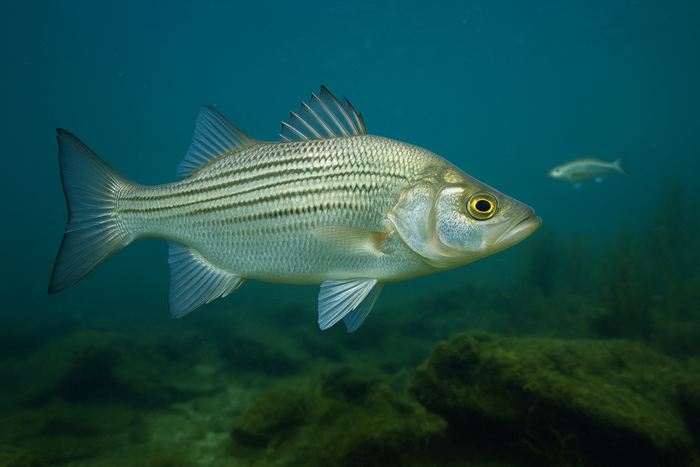
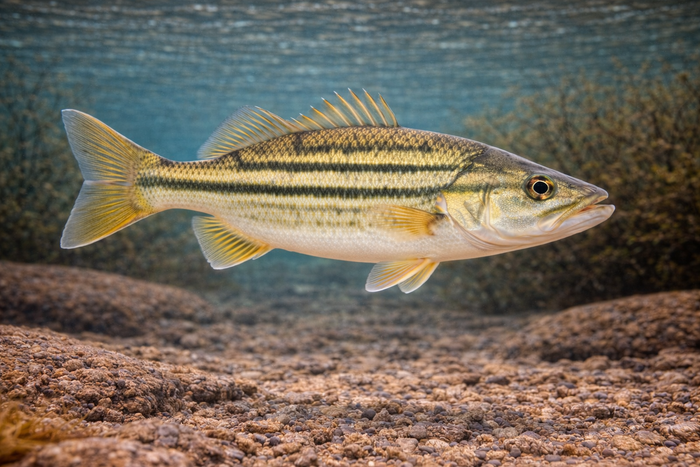
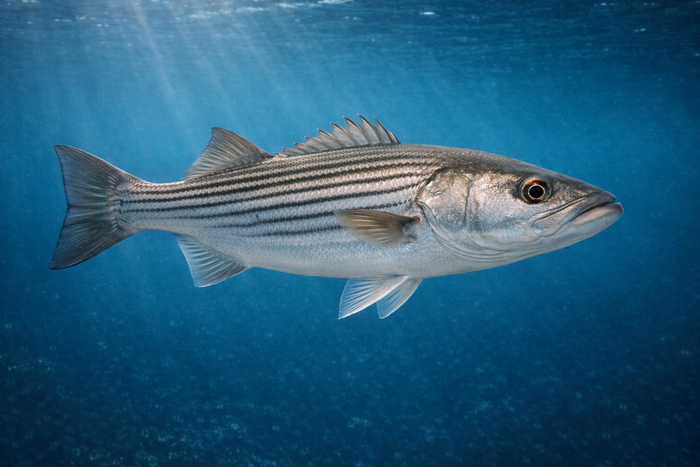
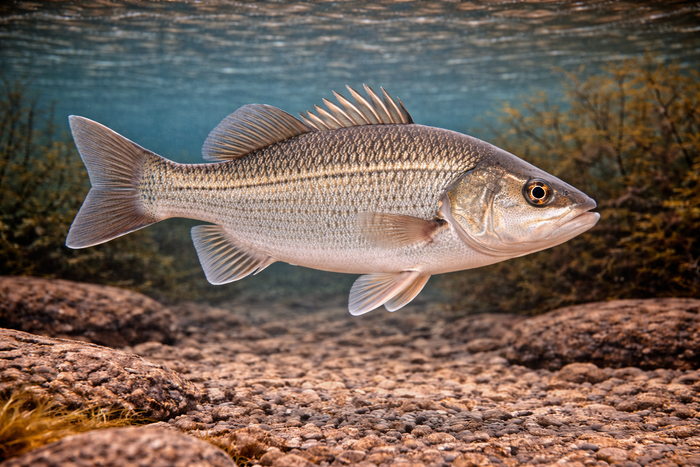
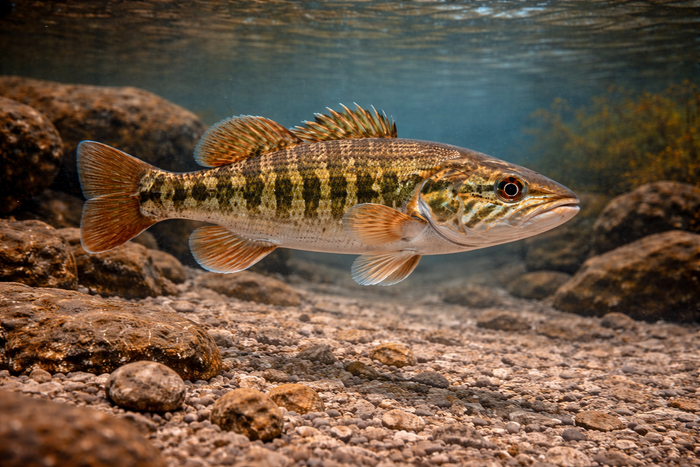
The Hybrid Striper is a genetic cocktail that results in a fish with a sleek, streamlined body, sporting the bold horizontal stripes of the striped bass and the deeper body shape of the white bass. This combination isn’t just for show. It translates into a fish that grows faster and reaches maturity quicker than either parent species. The hybrid’s aggressive feeding behavior and high metabolic rate make it a voracious predator, often outcompeting native species for food.
Unlike pure striped bass or white bass, the Hybrid Striper thrives in a wider range of salinities and temperatures. This versatility means it can inhabit reservoirs, rivers, and coastal estuaries with equal ease. Its hybrid vigor also means it often exhibits greater resistance to diseases and environmental stressors, making it a robust candidate for stocking programs.
Habitat & Global Range
Hybrid Striper habitat spans much of North America, primarily in the United States. They are most commonly found in large reservoirs, lakes, and river systems where both parent species overlap. These fish are not native but are widely stocked in inland waters to enhance recreational fishing opportunities. Their ability to adapt to both freshwater and brackish environments allows them to colonize areas that pure striped bass might find challenging.
You’ll find Hybrid Stripers in waters with moderate to high oxygen levels and temperatures ranging from cool to warm. They prefer open water zones but will move to shallower areas during feeding or spawning seasons. Their presence in reservoirs has increased dramatically over the past few decades, thanks to deliberate stocking efforts aimed at controlling prey fish populations and boosting angler satisfaction.
Behavior & Temperament
The Hybrid Striper is a relentless hunter. It feeds aggressively on shad, minnows, and other forage fish, often striking with explosive power. This behavior makes it a favorite among anglers who prize the fight as much as the catch. Unlike some bass species that can be territorial, Hybrid Stripers tend to school, especially when young, increasing their chances of survival and feeding efficiency.
Their temperament is a mix of caution and aggression. They can be wary of unfamiliar lures but once keyed in on a food source, they strike with little hesitation. Hybrid Stripers are also known for their seasonal migrations within reservoirs and river systems, moving to deeper waters during hot summer months and shallower zones during cooler periods or spawning.
Ecological Importance
The introduction and proliferation of Hybrid Stripers have significant ecological implications. As apex predators in many freshwater systems, they help regulate populations of smaller fish species, maintaining a balance that can prevent overpopulation and subsequent habitat degradation. Their predation on invasive or overabundant forage fish can indirectly support healthier aquatic ecosystems.
However, their presence can also disrupt native fish communities. Hybrid Stripers compete with native predators for food and habitat, sometimes leading to declines in indigenous species. Their aggressive feeding habits can alter prey fish behavior and distribution, which cascades through the food web. Fisheries managers must weigh these ecological trade-offs when deciding on stocking and management strategies.
Conservation & Environmental Pressures
While Hybrid Stripers themselves are not currently at risk, the ecosystems they inhabit face numerous pressures. Pollution, habitat fragmentation, and water quality degradation threaten the delicate balance of freshwater and estuarine environments. Climate change adds another layer of complexity, altering temperature and oxygen regimes that can impact Hybrid Striper survival and reproduction.
Stocking programs must be carefully managed to avoid genetic dilution of native striped bass populations and to prevent unintended ecological consequences. Maintaining water quality and habitat connectivity is crucial for supporting healthy Hybrid Striper populations and the broader aquatic communities they influence.
The FishyAF Take
The Hybrid Striper is a fish that demands attention. It’s a powerhouse hybrid that brings speed, strength, and adaptability to waters where it’s introduced. For anglers, it offers a thrilling challenge and a chance to hook into something that fights harder and grows faster than its parent species. For fisheries managers, it’s a tool to enhance sport fishing and control forage fish populations, but one that requires careful stewardship to avoid ecological pitfalls.
Understanding Hybrid Striper facts and habitat preferences is essential for anyone serious about freshwater fishing or aquatic ecosystem management. This fish is not just a curiosity; it’s a dynamic player in North American waters, reshaping food webs and angling experiences alike. Respect the Hybrid Striper for what it is: a bold, memorable catch that embodies the best of nature’s hybrid vigor.