White Bass (Morone chrysops): The Striped Powerhouse of Freshwater Angling
White Bass, Morone chrysops, is a freshwater fighter that commands respect from anglers across North America. Known for its distinctive horizontal stripes and aggressive strikes, this species is a staple in lakes and reservoirs, delivering thrilling action and solid table fare. If you’re looking to understand what makes this fish tick, where it thrives, and why it matters in aquatic ecosystems, you’ve come to the right place. Here’s the lowdown on White Bass facts, habitat, behavior, and their role in the environment.
What Makes the White Bass Unique?
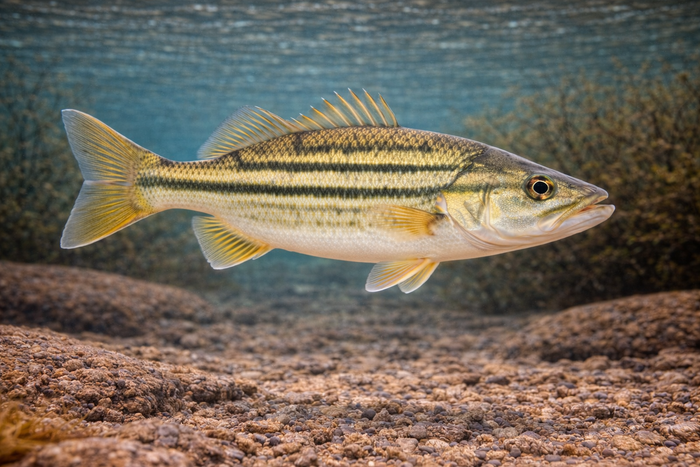
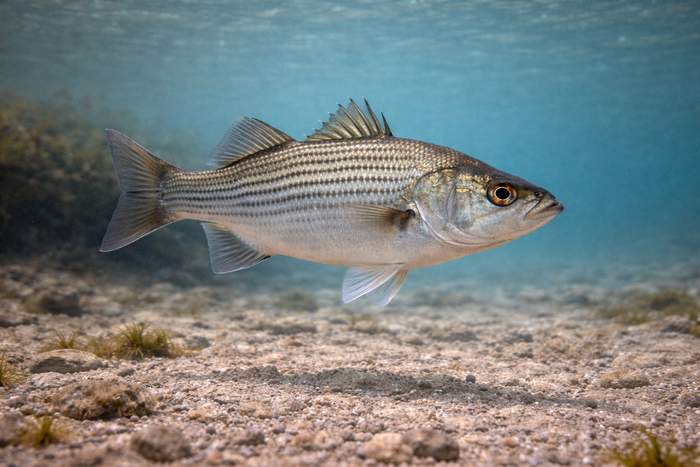
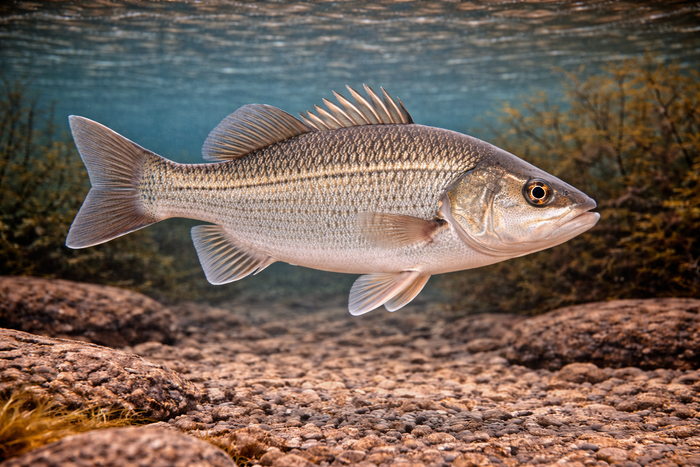
White Bass stands out with its bold, silver body marked by 7 to 9 horizontal black stripes running from gills to tail. This pattern isn’t just for show; it’s a signature that anglers instantly recognize. Unlike many bass species that prefer cover, White Bass are open-water hunters, often schooling in large numbers. Their aggressive feeding style and willingness to strike lures make them a favorite for sport fishing.
Physiologically, White Bass are built for speed and endurance. Their streamlined bodies and strong tails allow quick bursts to chase down prey. They’re opportunistic feeders, primarily targeting small fish like shad and minnows, but they’ll also gobble up insects and crustaceans. This adaptability in diet and habitat use gives them an edge in various freshwater systems.
Habitat & Global Range
White Bass are native to the central and eastern United States, thriving in large rivers, reservoirs, and lakes. Their preferred White Bass habitat includes clear to moderately turbid waters with moderate current. They are highly adaptable, tolerating a range of temperatures and water conditions, which explains their widespread presence from the Mississippi River basin to the Great Lakes and parts of the southern U.S.
Spawning migrations are a key part of their life cycle. In spring, as water temperatures hit the mid-50s Fahrenheit, White Bass move upstream into tributaries and shallower waters to spawn. They prefer gravel or rocky substrates where eggs can adhere and develop safely. This migratory behavior not only ensures reproductive success but also influences local fishery dynamics.
Behavior & Temperament
White Bass are schooling fish, often found in large groups that can number in the hundreds. This schooling behavior is both a defense mechanism and a feeding strategy. When chasing baitfish, these schools create spectacular surface boils and aggressive feeding frenzies that are a sight to behold.
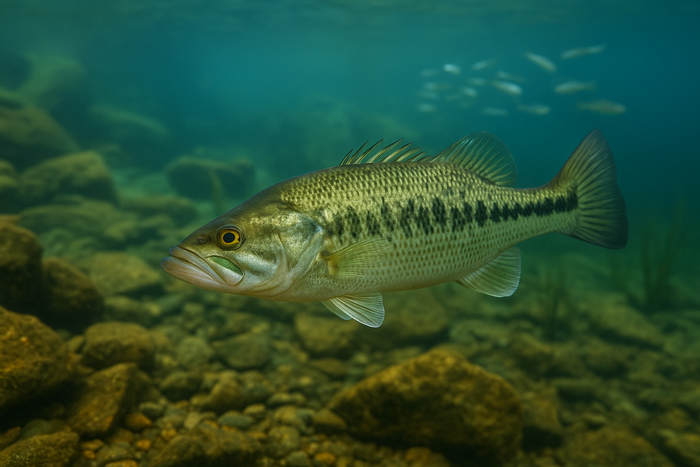
Their temperament is aggressive and energetic, making them a favorite among anglers who enjoy fast-paced action. They strike a variety of lures, from jigs and spoons to crankbaits and live bait. Unlike their cousin, the largemouth bass, White Bass rarely lurk in heavy cover. Instead, they patrol open waters, constantly on the hunt.
During spawning, their behavior shifts dramatically. Males become territorial and highly active, often seen leaping out of the water in competitive displays. This period is prime time for anglers targeting them, as they are more concentrated and less wary.
Ecological Importance
White Bass play a crucial role in freshwater food webs. As mid-level predators, they help regulate populations of smaller forage fish like shad and minnows. This predation pressure maintains balance in aquatic ecosystems, preventing any single species from dominating and disrupting the habitat.
They also serve as prey for larger predators such as striped bass, catfish, and birds of prey. This dual role as predator and prey makes them a vital link in energy transfer within freshwater environments.
Moreover, their spawning migrations contribute to nutrient cycling. By moving between different habitats, they transport nutrients upstream and downstream, supporting diverse aquatic communities.
Conservation & Environmental Pressures
Despite their adaptability, White Bass face challenges from habitat alteration, pollution, and overfishing. Dam construction and river channelization can block access to traditional spawning grounds, disrupting reproductive success. Sedimentation and water quality degradation from agricultural runoff reduce suitable habitats and can impact egg survival.
Overfishing, particularly during spawning runs, can deplete local populations if not managed properly. However, many states have implemented regulations such as size limits, bag limits, and seasonal closures to protect these fish during vulnerable periods.
Climate change adds another layer of complexity. Shifts in water temperature and flow patterns can alter spawning timing and habitat availability, potentially stressing populations. Conservation efforts focused on habitat restoration, water quality improvement, and sustainable fishing practices are essential to maintain healthy White Bass populations.
The FishyAF Take
White Bass is a no-nonsense species that delivers consistent action and ecological value. Its bold stripes and schooling behavior make it a standout in freshwater fisheries. Understanding White Bass facts and habitat preferences is key for anglers aiming to target them effectively and for conservationists working to preserve their populations.
If you want a fish that combines aggressive strikes, schooling spectacle, and ecological importance, White Bass is your go-to. They remind us that freshwater ecosystems are dynamic and interconnected, where every species plays a part. Respect the White Bass, fish smart, and keep pushing for healthy waters where these striped powerhouses can thrive for generations to come.