Smallmouth Bass (Micropterus dolomieu): The River Warrior That Commands Respect
If you’re after a freshwater fighter with a reputation for tenacity and a sleek, rugged look, the Smallmouth Bass is your go-to. This species has carved out a niche as one of North America’s most prized game fish, known for its spirited battles and adaptability. Whether you’re a seasoned angler or just curious about freshwater ecosystems, understanding the Smallmouth Bass means appreciating a fish that’s as bold as it is beautiful.
What Makes the Smallmouth Bass Unique?
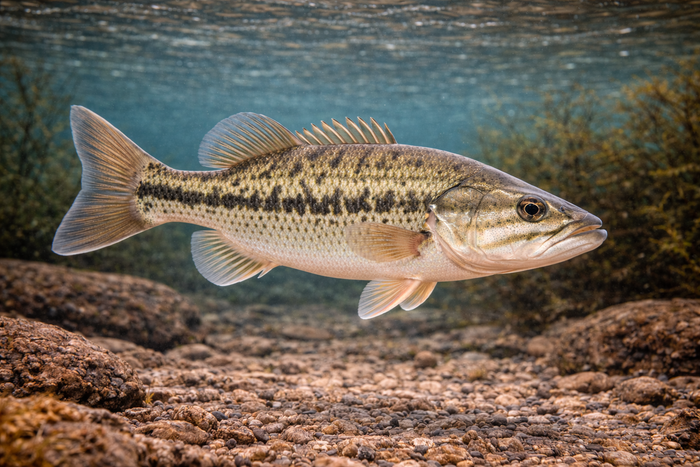
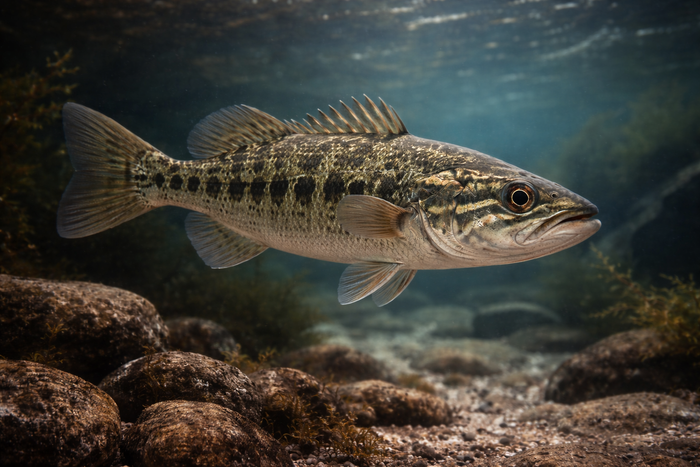
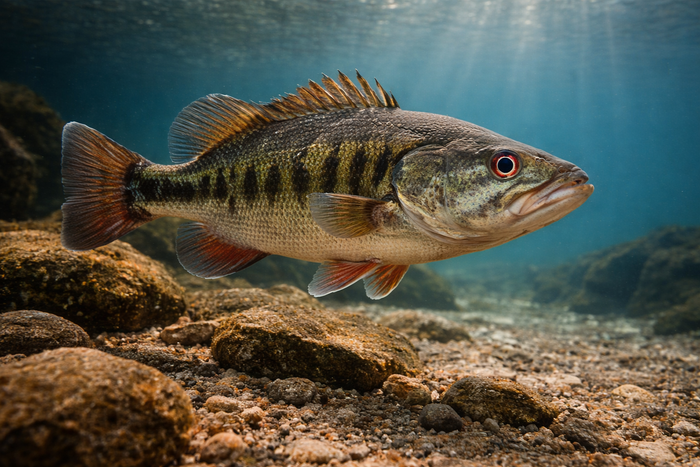
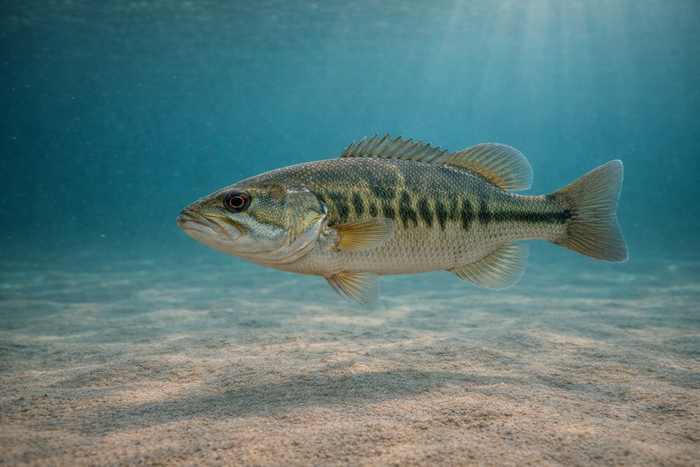
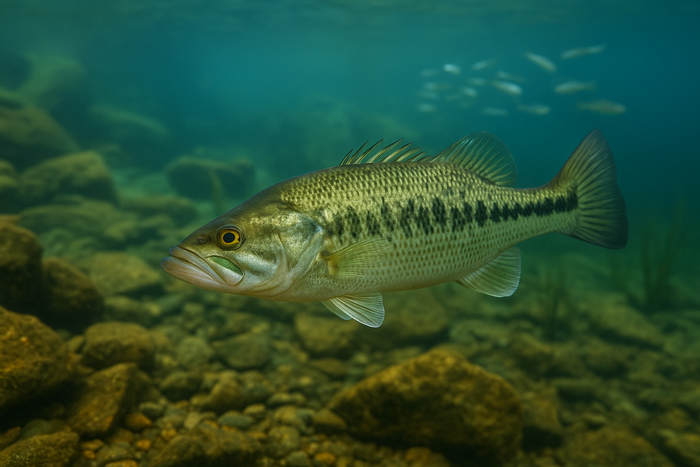
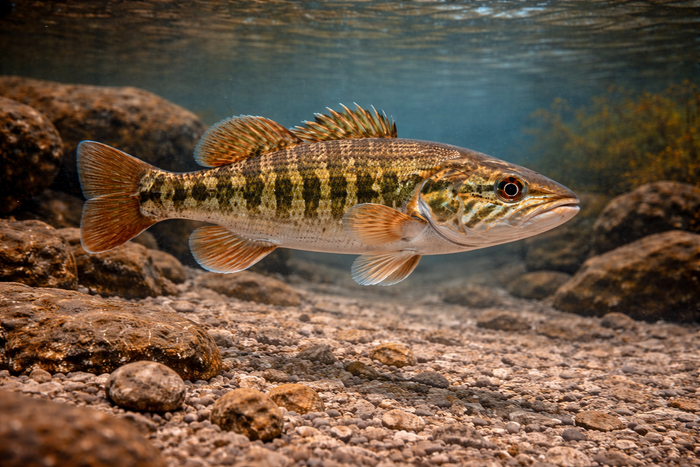
Smallmouth Bass stand out with their bronze to olive-green bodies, marked by dark vertical bars that give them a camouflaged, almost military-grade appearance. Unlike their largemouth cousins, their mouths don’t extend past the eye, a subtle but telling difference. This species thrives in clear, cool waters, often favoring rocky substrates and moderate currents that suit their hunting style.
Their aggressive feeding behavior and willingness to strike a variety of lures make them a favorite among anglers. But it’s not just their fighting spirit; Smallmouth Bass exhibit remarkable adaptability, thriving in rivers, lakes, and reservoirs with varying conditions. Their spawning habits are also notable—males build and fiercely guard nests in gravel or rocky bottoms, ensuring the next generation has a fighting chance.
Habitat & Global Range
Smallmouth Bass are native to the eastern and central United States and parts of Canada, predominantly found in the Great Lakes region, the Mississippi River basin, and the St. Lawrence River. Their preferred Smallmouth Bass habitat includes clear, cool streams and lakes with rocky or sandy bottoms. They avoid muddy or heavily vegetated waters, which don’t suit their hunting and spawning needs.
Over time, Smallmouth Bass have been introduced to other parts of North America and even beyond, often to enhance sport fishing opportunities. These introductions have sometimes led to ecological shifts, but the species’ preference for specific habitat conditions remains consistent. Their presence is a reliable indicator of water quality, as they require well-oxygenated, clean environments to thrive.
Behavior & Temperament
Smallmouth Bass are the freshwater equivalent of a scrappy street fighter. They’re territorial, especially during spawning season, and can be aggressive toward intruders, including anglers. Their diet is diverse—crayfish, insects, smaller fish, and amphibians all make the menu. This opportunistic feeding strategy contributes to their success across varied environments.
They’re also known for their curious nature, often investigating new objects in their territory, which explains their responsiveness to a wide range of lures. Their activity peaks in cooler water temperatures, making spring and fall prime times for fishing. Unlike largemouth bass, Smallmouth tend to inhabit deeper, cooler waters during summer, often near rocky structures or drop-offs.
Ecological Importance
Smallmouth Bass play a crucial role in freshwater ecosystems as mid-level predators. They help regulate populations of smaller fish and invertebrates, maintaining a balanced food web. Their predation on crayfish, for example, can influence the structure of benthic communities, affecting nutrient cycling and habitat complexity.
As a native species, they contribute to the biodiversity and health of river and lake systems. Their presence supports recreational fishing industries, which in turn fund conservation and habitat restoration efforts. Understanding Smallmouth Bass facts is key to appreciating their role beyond just being a sport fish—they are integral to ecosystem stability.
Conservation & Environmental Pressures
Despite their hardiness, Smallmouth Bass face challenges from habitat degradation, pollution, and climate change. Sedimentation and runoff can cloud waters and smother spawning grounds, reducing reproductive success. Rising water temperatures threaten their cool-water preferences, potentially pushing populations to less optimal habitats.
Invasive species and overfishing also pose risks, though regulated fishing and habitat restoration projects have helped stabilize many populations. Conservation efforts focus on protecting water quality, preserving natural river flows, and maintaining the rocky substrates essential for spawning. Angler education and catch-and-release practices further support sustainable Smallmouth Bass fisheries.
The FishyAF Take
Smallmouth Bass are the embodiment of freshwater resilience and fight. They demand respect—not just for their spirited battles on the line but for their ecological role and adaptability. If you want to understand a fish that thrives on challenge and complexity, look no further. Mastering Smallmouth Bass facts and habitat nuances isn’t just about catching a trophy; it’s about engaging with a species that shapes the very waters it inhabits. Whether you’re casting in a rocky river bend or a clear lake, the Smallmouth Bass offers a lesson in persistence, power, and the wild heart of freshwater fishing.