Shoal Bass (Micropterus cataractae): The River’s Rocky Rebel with a Jaw Full of Attitude
The Shoal Bass is no wallflower in the bass family. This species stakes its claim in the fast-flowing, rocky rivers of the southeastern United States, carving out a niche that demands respect from anglers and ecologists alike. Known for its aggressive strikes and striking appearance, the Shoal Bass combines beauty with brawn, making it a prized catch and a vital player in its freshwater ecosystem. If you’re diving into Shoal Bass facts, get ready to meet a fish that thrives where others falter.
What Makes the Shoal Bass Unique?
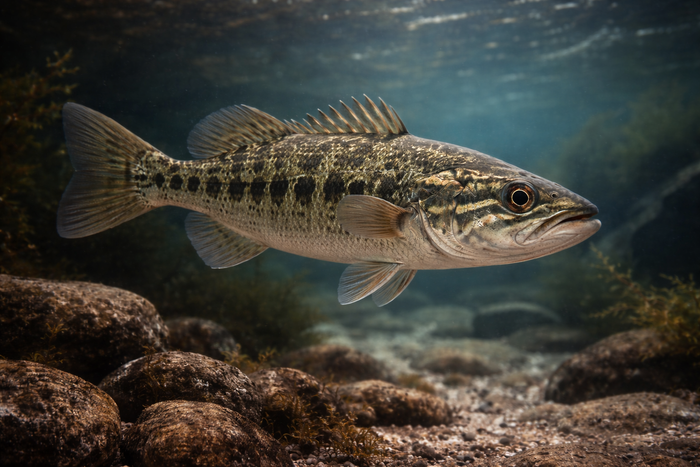
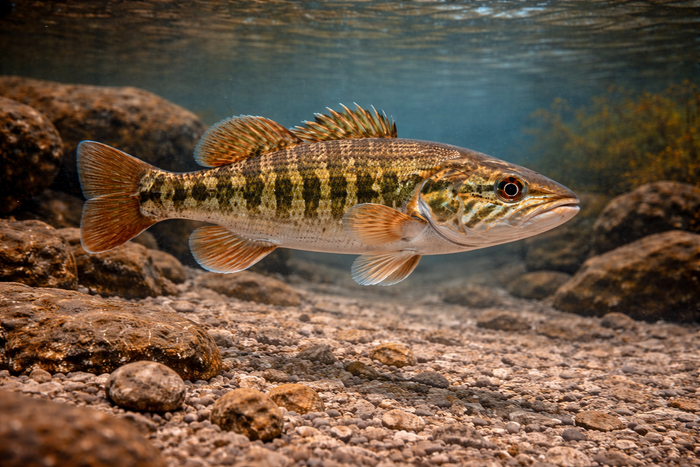
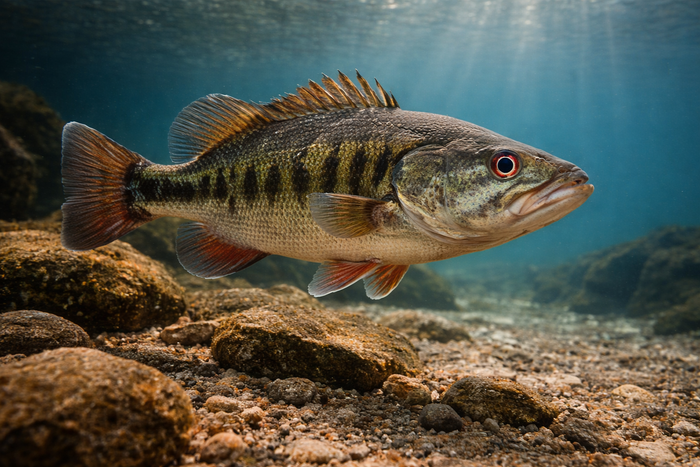
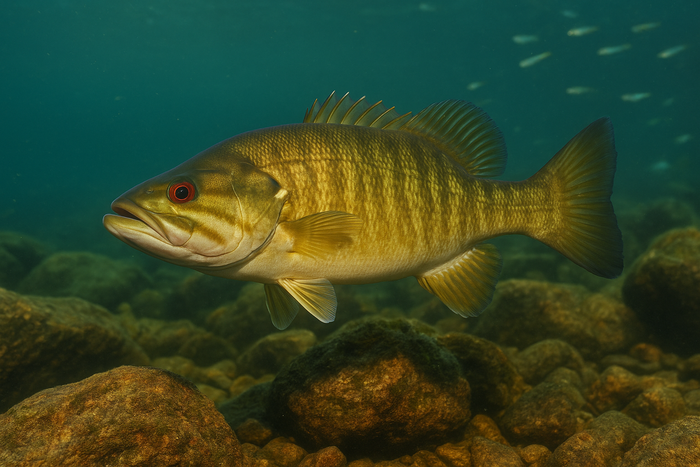
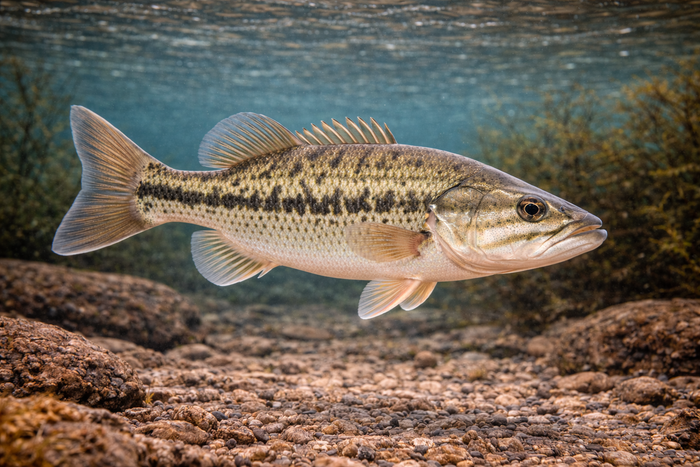
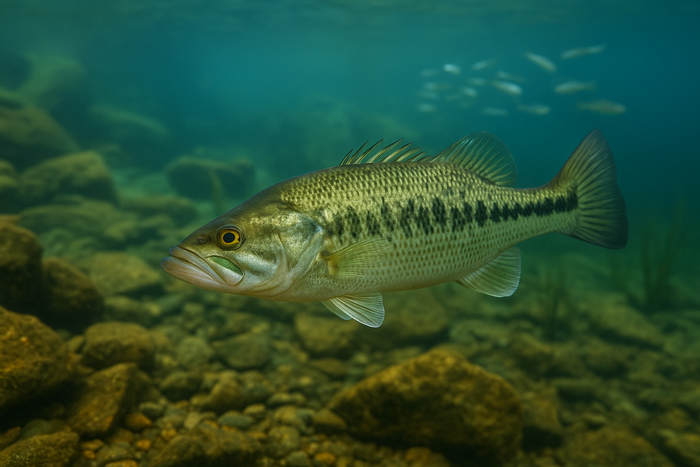
Shoal Bass stand apart from their black bass cousins through a blend of physical and behavioral traits. Their bodies are streamlined for life in swift currents, sporting a pattern of dark vertical bars that fade into a lighter belly—perfect camouflage against the rocky shoals they call home. Unlike largemouth or spotted bass, Shoal Bass have a more pronounced jawline and a distinctive red tint on their fins, signaling their readiness to rumble.
But it’s not just looks. Shoal Bass have a specialized preference for rocky shoals and swift riffles, environments that demand agility and strength. Their diet leans heavily on crayfish and aquatic insects, making them key predators in their niche. This fish’s boldness is legendary among anglers; it strikes with a ferocity that matches its habitat’s relentless flow.
Habitat & Global Range
If you’re hunting Shoal Bass, your best bet is the southeastern U.S., specifically the Apalachicola-Chattahoochee-Flint river system spanning Georgia, Alabama, and Florida. This species is a river specialist, thriving in clear, oxygen-rich waters with rocky bottoms and moderate to fast currents. Shoal Bass habitat is defined by shoals—shallow, rocky stretches where water speed and turbulence create a dynamic environment.
Unlike some bass species that tolerate murkier, slower waters, Shoal Bass demand pristine conditions. Their reliance on shoals means they’re often found in stretches of river that are less accessible but more ecologically complex. This habitat preference makes them sensitive indicators of river health and water quality.
Behavior & Temperament
Shoal Bass are aggressive hunters and fiercely territorial. They stake out prime shoal real estate and defend it with vigor. Their feeding strategy is ambush-based, using the turbulence and cover of rocks to surprise prey like crayfish and small fish. This behavior makes them a thrilling target for anglers who appreciate a fight.
During spawning season, males become even more territorial, aggressively guarding nests built in gravel beds within the shoals. This parental investment ensures higher survival rates for their offspring but also means Shoal Bass populations can be vulnerable to disturbances in their spawning grounds.
Unlike largemouth bass, which often tolerate a variety of habitats and social situations, Shoal Bass are more specialized and less adaptable. Their temperament reflects this: bold, aggressive, and unafraid to challenge intruders in their domain.
Ecological Importance
Shoal Bass play a crucial role in maintaining the balance of their river ecosystems. As mid-level predators, they regulate populations of crayfish and smaller fish, preventing any one species from dominating and disrupting the food web. Their presence indicates a healthy, functioning river system with good water quality and intact habitats.
Moreover, Shoal Bass contribute to nutrient cycling within their environment. By preying on benthic invertebrates and small fish, they help redistribute energy and nutrients across different river zones. Their spawning activities also aerate gravel beds, promoting oxygen flow and supporting other aquatic life.
In short, Shoal Bass are not just a trophy fish; they are a linchpin species that supports biodiversity and ecosystem resilience in their native rivers.
Conservation & Environmental Pressures
Despite their toughness, Shoal Bass face significant threats from habitat degradation and human activity. Sedimentation from construction, agriculture, and deforestation clouds the clear waters they need. Dams and water withdrawals alter flow regimes, reducing the shoal habitats they depend on. Pollution further stresses these sensitive fish, impacting their health and reproductive success.
Invasive species and hybridization with other bass species also pose genetic threats, diluting the Shoal Bass’s unique traits. Conservation efforts focus on protecting river habitats, restoring natural flow patterns, and managing land use to reduce sediment and pollutants.
Because Shoal Bass are habitat specialists, their populations serve as a barometer for river ecosystem health. Protecting them means safeguarding entire river systems and the countless species that rely on these waters.
The FishyAF Take
The Shoal Bass is a fish that demands attention—not just for its fight on the line but for what it represents in freshwater ecology. It’s a species built for the fast lane, thriving in the rocky shoals where few others can hang. Anglers chasing Shoal Bass facts quickly realize this isn’t just another bass; it’s a river warrior with a specific set of skills and needs.
If you want to see a fish that embodies the raw power and complexity of southeastern U.S. rivers, the Shoal Bass is your go-to. But it’s also a reminder that healthy rivers don’t happen by accident. They require respect, protection, and a commitment to keeping those shoals clear and flowing.
In the end, the Shoal Bass isn’t just a catch—it’s a challenge and a symbol of wild, untamed freshwater ecosystems. Treat it right, and it will reward you with a fight and a glimpse into the heart of river life. Ignore it, and you risk losing a piece of what makes these waters special.