Guadalupe Bass (Micropterus treculii): Texas’ Own Fighting Fish with Attitude
The Guadalupe Bass is not your average freshwater predator. Native to the clear, fast-flowing rivers of central Texas, this species commands respect with its aggressive strikes and tenacious spirit. Often overshadowed by its more famous cousin, the largemouth bass, the Guadalupe Bass holds its ground as a distinct and vital player in its ecosystem. For anglers and conservationists alike, understanding Guadalupe Bass facts is key to appreciating this fish’s role in North American waters.
What Makes the Guadalupe Bass Unique?
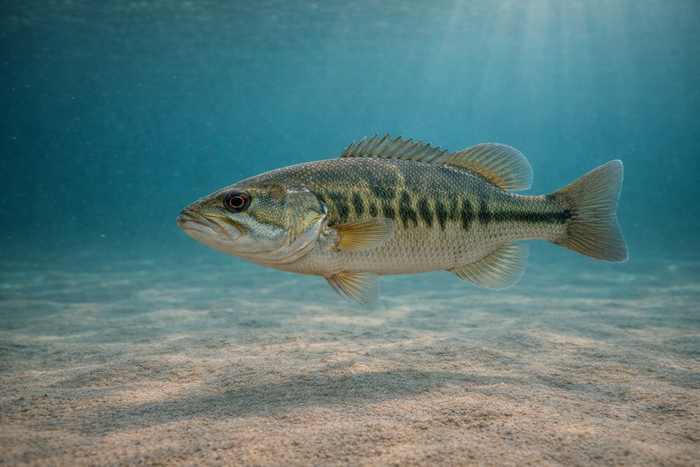
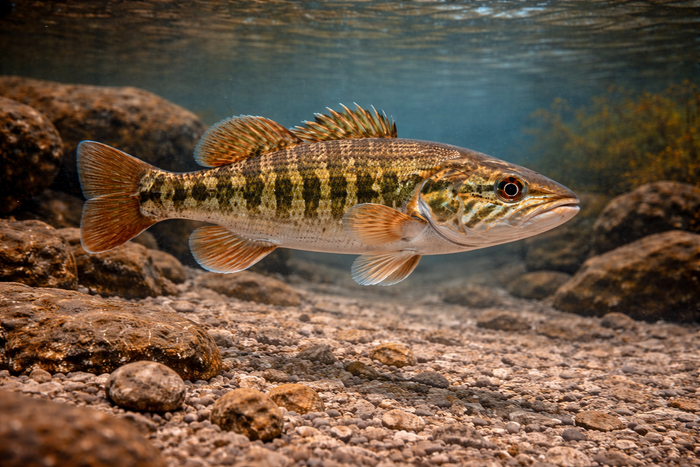
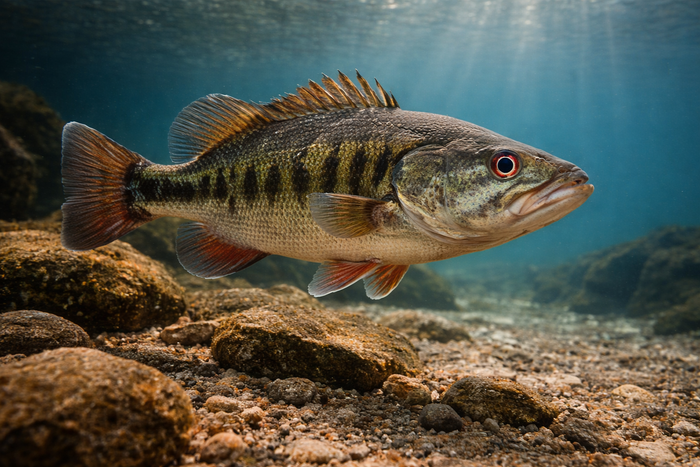
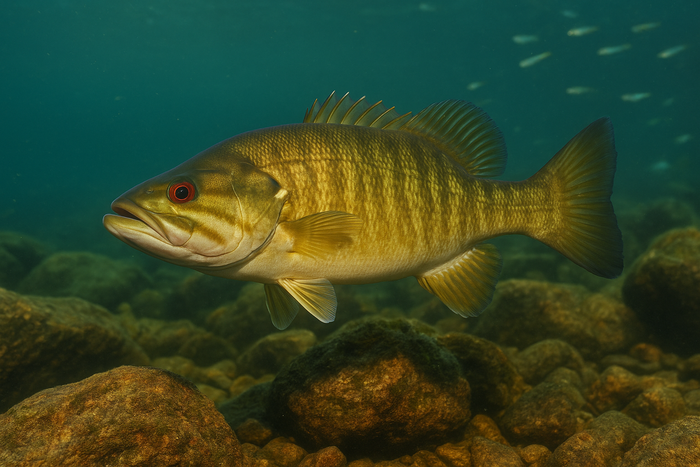
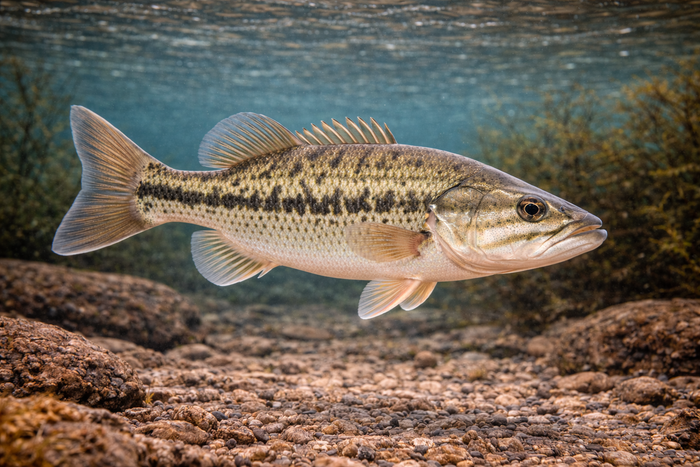
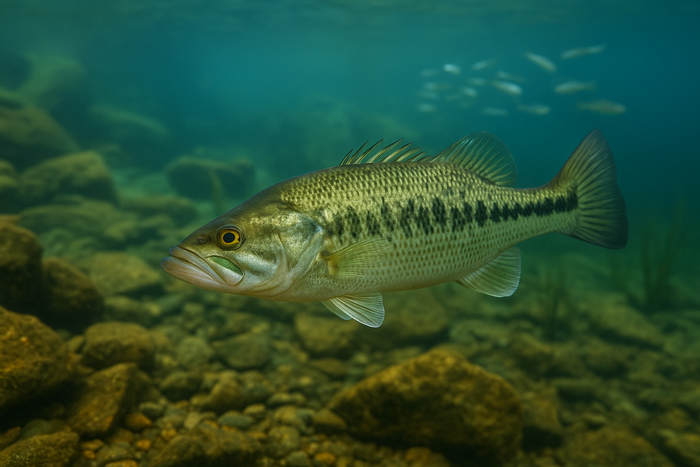
The Guadalupe Bass stands out for several reasons. First, it’s the only bass species endemic to Texas, making it a local icon. Its body sports a sleek, streamlined shape optimized for swift currents, unlike the bulkier largemouth bass built for still waters. The coloration is a subtle blend of olive and bronze with dark vertical bars, providing excellent camouflage against rocky riverbeds.
Genetically, the Guadalupe Bass is distinct but closely related to the spotted bass. Hybridization occurs where their ranges overlap, but pure Guadalupe Bass populations maintain unique traits that reflect millions of years of adaptation to their specific environment. This fish is a master of riffles and runs, thriving in oxygen-rich, turbulent waters where other bass species struggle.
Habitat & Global Range
Guadalupe Bass habitat is strictly limited to the Edwards Plateau region of Texas, primarily within the Guadalupe River system and its tributaries. These fish favor clear, cool, and fast-moving streams with rocky substrates and abundant cover like submerged logs and boulders. Unlike many bass species that tolerate murky or stagnant waters, Guadalupe Bass demand high water quality and steady flow.
Their range is remarkably narrow, confined to a handful of river basins. This limited distribution makes them particularly sensitive to environmental changes. Outside of Texas, you won’t find wild populations, which underscores the importance of protecting their native habitat. The Guadalupe Bass’s reliance on specific river conditions means that any alteration—dams, pollution, or water extraction—can have outsized impacts.
Behavior & Temperament
Guadalupe Bass behavior is defined by aggression and territoriality. They are ambush predators, using the current and structure to their advantage to surprise prey. Their diet consists mainly of aquatic insects, crayfish, and smaller fish. Unlike largemouth bass that often lurk near vegetation, Guadalupe Bass patrol rocky crevices and swift runs.
During spawning season, males establish and fiercely defend nests in gravel beds. Their parental care is notable; males guard eggs and fry until they are capable of fending for themselves. This protective behavior boosts survival rates in the challenging river environment.
Anglers prize Guadalupe Bass for their spirited fights. They hit hard and run fast, making them a thrilling catch on light tackle. Their wariness and habitat preferences mean they require a more nuanced approach than typical bass fishing, rewarding skill and local knowledge.
Ecological Importance
The Guadalupe Bass plays a crucial role in maintaining the balance of its river ecosystems. As a top predator, it helps regulate populations of smaller fish and invertebrates, preventing any one species from dominating. This predation pressure supports biodiversity and healthy aquatic communities.
Moreover, the presence of Guadalupe Bass is an indicator of water quality. Their sensitivity to pollution and habitat degradation means healthy populations signal a well-functioning ecosystem. Conversely, declines in Guadalupe Bass numbers often reflect broader environmental problems affecting the watershed.
Conservation & Environmental Pressures
Despite its toughness, the Guadalupe Bass faces significant conservation challenges. Habitat loss from dam construction, water diversion, and urban development threatens the clear, flowing streams they depend on. Pollution from agricultural runoff and sedimentation further degrades their environment.
Another major issue is hybridization with introduced spotted bass. This genetic mixing dilutes the purity of Guadalupe Bass populations, potentially eroding their unique adaptations. Conservation programs focus on habitat restoration, water quality improvement, and managing hybridization through selective stocking and monitoring.
State and federal agencies have recognized the Guadalupe Bass as a species of concern, implementing measures to protect critical habitats and promote sustainable fishing practices. Anglers are encouraged to practice catch and release and support conservation efforts to ensure this fish remains a fixture in Texas rivers.
The FishyAF Take
The Guadalupe Bass is a no-nonsense, river-loving fighter that deserves more spotlight. It’s a species that demands respect—not just for its tenacity on the line but for its ecological role and cultural significance in Texas. Knowing Guadalupe Bass facts and understanding their habitat is essential for anyone serious about freshwater fishing or conservation in the region.
This bass isn’t just another fish to catch; it’s a living symbol of healthy river systems and the challenges they face. Protecting the Guadalupe Bass means protecting the lifeblood of Texas waterways. If you want a fish that combines grit, beauty, and ecological importance, the Guadalupe Bass is your go-to. Keep your lines tight and your conservation efforts tighter.