Redeye Bass (Micropterus coosae): The Fiery-Eyed Fighter of Southern Streams
The Redeye Bass is not your average freshwater fish. Sporting a name that hints at its signature glowing red eyes, this species commands attention both visually and behaviorally. Native to the southeastern United States, the Redeye Bass is a prized catch for anglers and a fascinating subject for biologists. This guide dives deep into Redeye Bass facts, exploring what sets this fish apart, where it thrives, and why it matters in its ecosystem.
What Makes the Redeye Bass Unique?
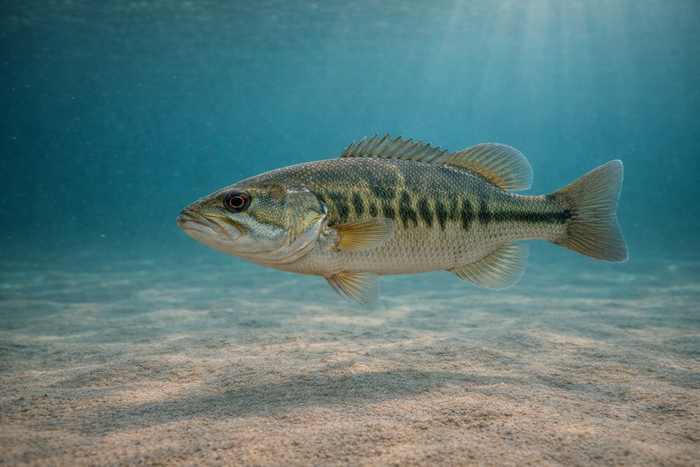
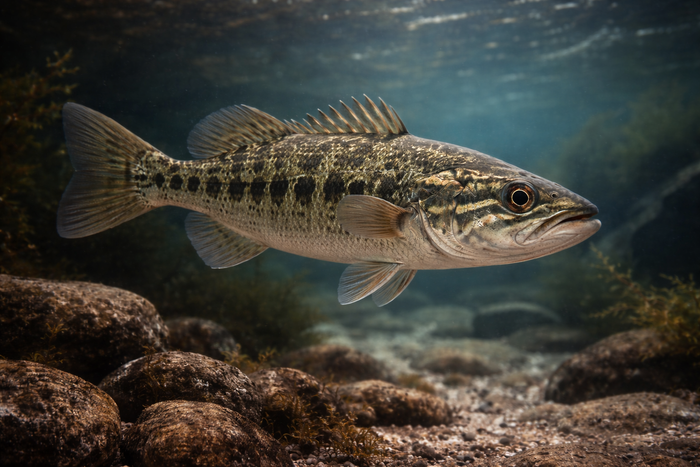
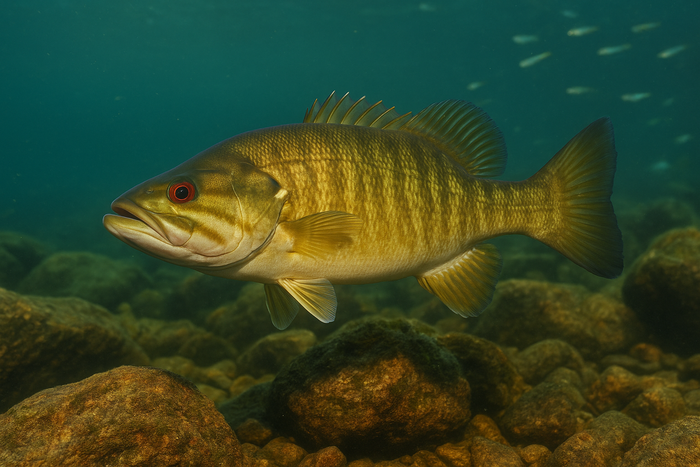
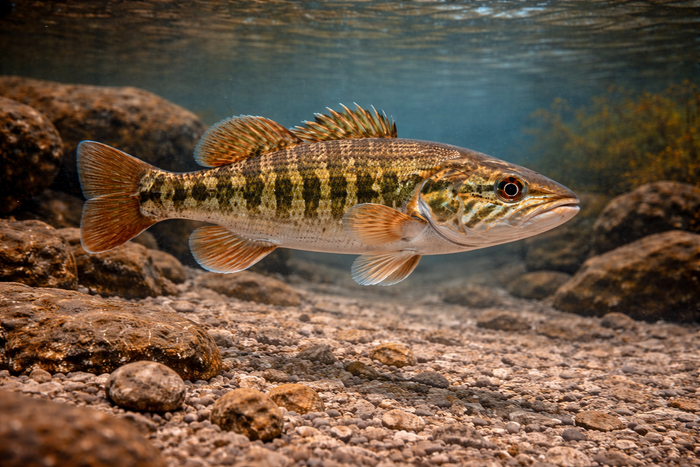
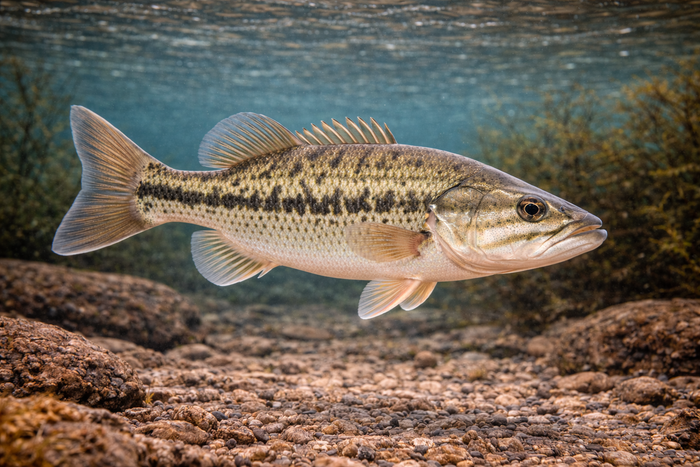
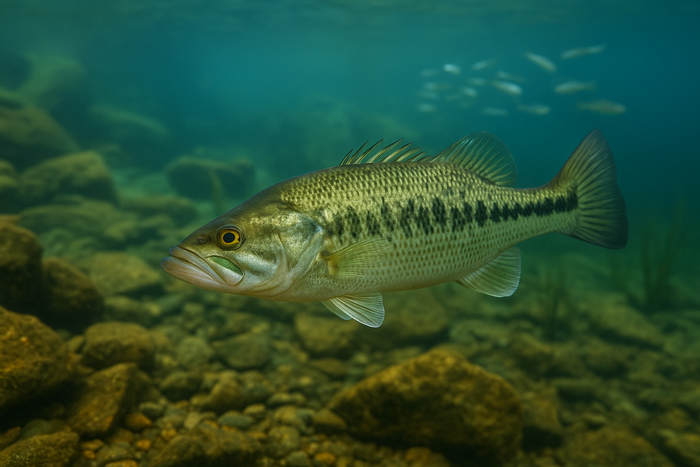
The Redeye Bass stands out in the black bass family with its distinctive crimson eyes that seem to pierce through the water. Its body is marked by a pattern of dark vertical bars and a subtle olive-green to brown coloration, providing excellent camouflage in rocky, fast-flowing streams. Unlike its more famous cousins like the largemouth or smallmouth bass, the Redeye Bass has a more streamlined shape and a slightly smaller mouth, adapted for snapping up smaller prey in swift currents.
One of the most intriguing Redeye Bass facts is its aggressive nature combined with territorial behavior. Males fiercely guard their nesting sites during spawning season, often engaging in intense battles with rivals. This territoriality makes them a challenging and rewarding target for anglers who appreciate a fight. Their diet mainly consists of insects, crayfish, and small fish, showcasing their opportunistic feeding habits.
Habitat & Global Range
Redeye Bass habitat is primarily confined to the Coosa River system and its tributaries across Alabama, Georgia, and Tennessee. This fish favors clear, cool, and well-oxygenated streams and rivers with rocky or gravelly bottoms. Unlike bass species that thrive in lakes or ponds, the Redeye Bass is a stream specialist, often found in riffles and runs where the water moves swiftly.
Their preference for specific habitat conditions limits their global range, making them endemic to this southeastern U.S. region. The quality of these habitats directly influences Redeye Bass populations, as they rely on clean water and stable substrates for spawning and feeding. Understanding Redeye Bass habitat is crucial for conservation efforts and for anglers seeking these elusive fighters.
Behavior & Temperament
Redeye Bass behavior is marked by a mix of boldness and caution. They are aggressive predators, quick to strike at prey but wary of threats. During the breeding season, males become intensely territorial, defending nests vigorously against intruders. This territorial aggression can lead to dramatic underwater confrontations, a spectacle for those who study fish behavior.
Outside of spawning, Redeye Bass tend to be solitary or found in small groups. They use their keen eyesight to hunt in the clear waters they inhabit, relying on stealth and speed rather than brute force. Their temperament makes them a favorite among sport fishermen who enjoy the challenge of coaxing these wary fighters out of their rocky hideouts.
Ecological Importance
The Redeye Bass plays a vital role in maintaining the balance of stream ecosystems. As a mid-level predator, it helps control populations of aquatic insects and smaller fish, preventing any one species from dominating the habitat. This predatory role supports biodiversity by promoting a healthy, dynamic food web.
Additionally, Redeye Bass serve as indicators of water quality. Their reliance on clean, oxygen-rich streams means their presence signals a healthy aquatic environment. Declines in Redeye Bass populations often point to ecological problems like pollution or habitat degradation, making them a natural barometer for ecosystem health.
Conservation & Environmental Pressures
Despite their resilience, Redeye Bass face several environmental pressures that threaten their populations. Habitat destruction from urbanization, sedimentation, and dam construction disrupts the clear, flowing waters they need. Pollution from agricultural runoff and industrial waste further degrades their habitat, reducing water quality and oxygen levels.
Invasive species also pose a threat by competing for food and habitat or introducing diseases. Climate change adds another layer of complexity by altering stream temperatures and flow patterns, potentially pushing Redeye Bass beyond their tolerance limits.
Conservation efforts focus on protecting and restoring stream habitats, enforcing water quality standards, and managing invasive species. Anglers and conservationists alike play a role by supporting sustainable fishing practices and habitat preservation initiatives.
The FishyAF Take
The Redeye Bass is a fish that demands respect. It’s not just another bass to catch; it’s a symbol of the wild, untamed streams of the southeastern U.S. Its fiery eyes and fierce temperament make it a standout in the freshwater world. Understanding Redeye Bass facts and habitat is essential for anyone serious about freshwater fishing or aquatic conservation.
This species reminds us that even within a well-known family like black bass, nature carves out unique niches with distinct behaviors and adaptations. Protecting the Redeye Bass means protecting the integrity of the streams it calls home—a challenge worth taking on for anglers, scientists, and conservationists alike. If you want a fish that combines beauty, brains, and brawn, the Redeye Bass is your go-to.