Largemouth Bass (Micropterus salmoides): The King of Freshwater Predators That Commands Respect
The largemouth bass is not just another fish in the freshwater world. It’s the heavyweight champion of North American lakes and rivers, a species that has earned its reputation through sheer power, cunning, and adaptability. Known for its aggressive strikes and thrilling fights, the largemouth bass is a staple for anglers and a critical player in freshwater ecosystems. This guide dives deep into what makes the largemouth bass a standout species, exploring its biology, behavior, and the challenges it faces in a changing environment.
What Makes the Largemouth Bass Unique?
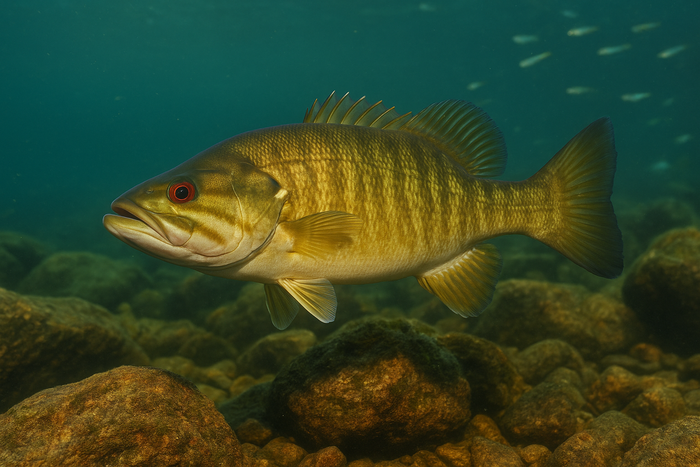
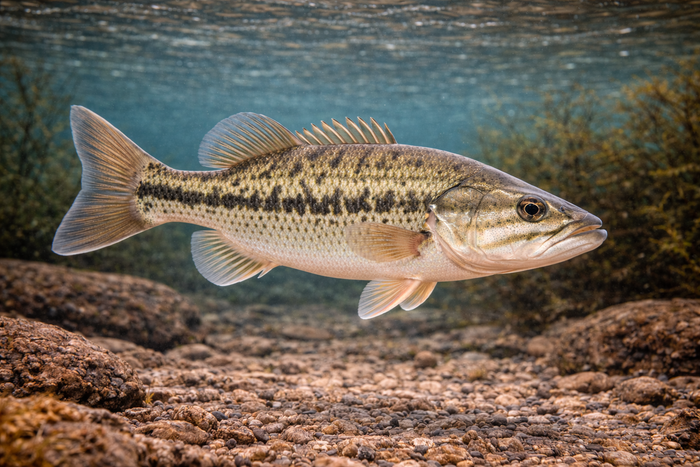
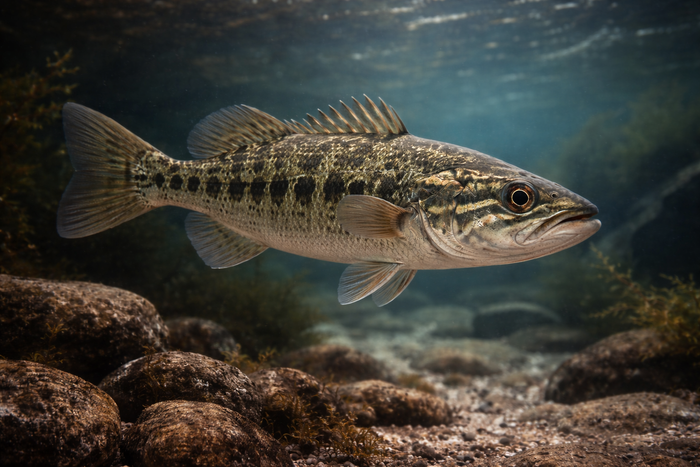
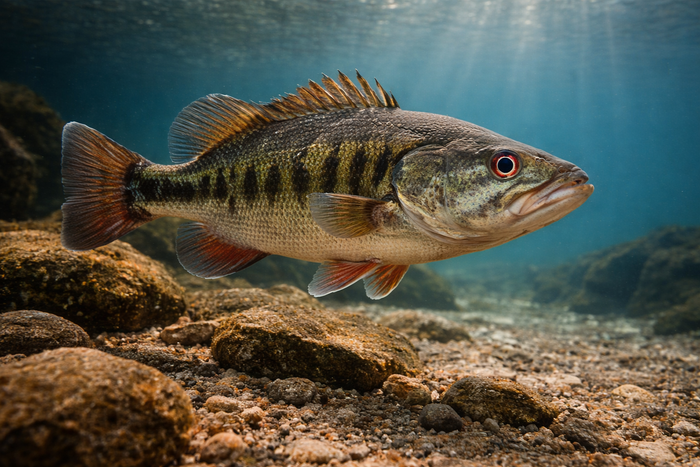
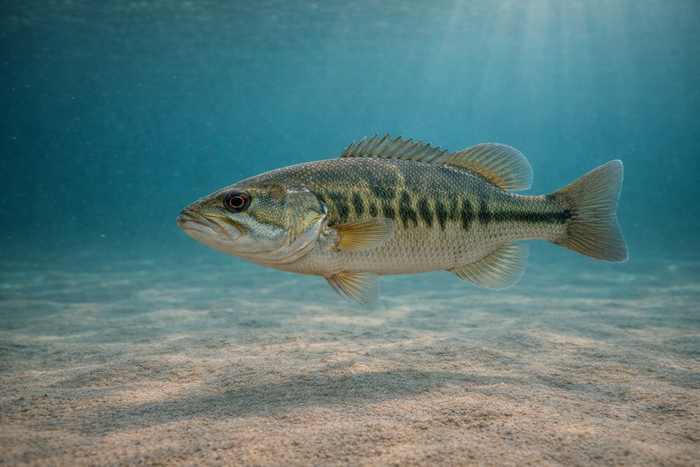
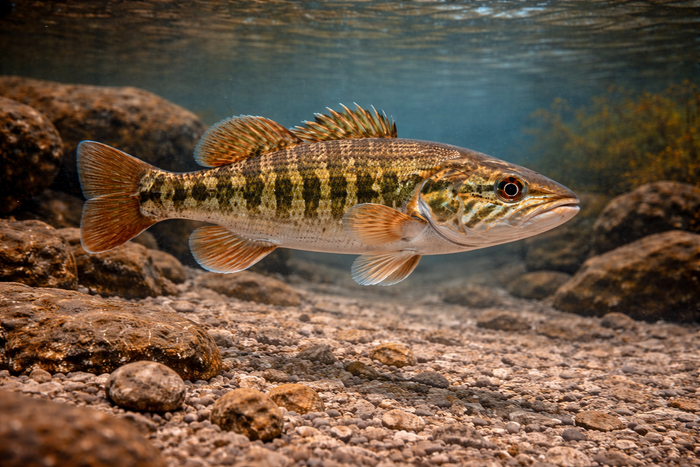
The largemouth bass stands out with its unmistakable jawline—its upper jaw extends well past the eye, a feature that gives it its name and a tactical advantage when snapping up prey. This predator is built for bursts of speed and explosive strikes, making it a master ambush hunter. Its coloration, typically a dark green back fading to a lighter belly with a distinctive horizontal stripe, provides camouflage in weedy waters. Unlike many fish that rely on endurance, the largemouth bass uses short, powerful lunges to capture prey, ranging from smaller fish to amphibians and even small birds or mammals when the opportunity arises.
Its adaptability is another hallmark. The largemouth bass can thrive in a variety of freshwater habitats, from clear, vegetation-rich lakes to murky reservoirs and slow-moving rivers. This flexibility has made it one of the most widespread and successful freshwater game fish in North America and beyond.
Habitat & Global Range
Largemouth bass habitat spans a broad swath of North America, originally native to the eastern and central United States and parts of northern Mexico. Over the past century, it has been introduced worldwide, from Japan to South Africa, often with mixed ecological results. The ideal largemouth bass habitat features warm, calm waters with plenty of cover—think submerged logs, aquatic vegetation, and rocky structures. These environments provide both hunting grounds and safe spots for spawning.
Water temperature plays a crucial role; largemouth bass prefer waters between 68 and 78 degrees Fahrenheit but can tolerate a wider range. Seasonal changes influence their behavior and location within their habitat, with bass moving to deeper waters in winter and shallower, vegetated areas in spring and summer for spawning.
Behavior & Temperament
Largemouth bass are territorial and aggressive, especially during spawning season when males guard nests fiercely. Their hunting style is stealthy and strategic. They often lurk near cover, waiting for the perfect moment to ambush prey with a sudden lunge. This behavior makes them a favorite among anglers who use topwater lures and other tactics that mimic injured prey.
Socially, largemouth bass are mostly solitary outside of breeding periods. They establish home ranges and can be quite competitive, especially in crowded habitats. Their temperament is bold, not shy—this is a fish that will challenge anything that crosses its path, including anglers’ best efforts.
Ecological Importance
The largemouth bass is a keystone predator in freshwater ecosystems. By controlling populations of smaller fish and aquatic invertebrates, it helps maintain a balanced food web. This predation pressure can prevent overpopulation of certain species that might otherwise degrade water quality or disrupt plant communities.
Moreover, largemouth bass influence the behavior of prey species, which in turn affects the distribution of aquatic vegetation and nutrient cycling. Their presence is often an indicator of a healthy, functioning ecosystem, though their introduction outside native ranges can upset local biodiversity.
Conservation & Environmental Pressures
Despite its widespread popularity and robust populations, largemouth bass face environmental pressures that can’t be ignored. Habitat degradation from urban development, pollution, and invasive species threatens the quality of their freshwater homes. Sedimentation and nutrient runoff can lead to algal blooms and oxygen depletion, conditions that stress bass populations.
Climate change adds another layer of complexity, altering water temperatures and seasonal patterns critical to largemouth bass spawning and survival. Overfishing is generally controlled through regulations, but illegal practices and habitat loss remain concerns.
Conservation efforts focus on habitat restoration, water quality improvement, and responsible fishery management. Protecting largemouth bass habitat ensures not only the survival of this iconic species but also the health of entire freshwater ecosystems.
The FishyAF Take
The largemouth bass is more than just a trophy fish; it’s a dynamic predator that shapes freshwater environments and challenges anglers with its ferocity and cunning. Understanding largemouth bass facts and habitat preferences is essential for anyone serious about freshwater fishing or aquatic conservation. This species embodies resilience and adaptability, thriving in diverse conditions while demanding respect for its role in the ecosystem.
For anglers, largemouth bass represent the perfect blend of challenge and reward. For conservationists, they are a barometer of freshwater health. Ignoring the pressures they face risks losing a cornerstone species that has defined freshwater fishing culture for generations. Keep your lines tight and your knowledge sharper—largemouth bass are here to stay, but only if we play our part.