Spotted Bass (Micropterus punctulatus): The Bass That Brings the Spots and the Fight
The Spotted Bass is not your average largemouth clone. It’s a distinct player in North American freshwater ecosystems, boasting a unique pattern and a feisty attitude that anglers respect. Known scientifically as Micropterus punctulatus, this species commands attention with its spotted sides and aggressive strikes. If you want to understand what sets this bass apart from its cousins, you’re in the right place. This guide dives deep into Spotted Bass facts, habitat preferences, and why they matter beyond the fishing line.
What Makes the Spotted Bass Unique?
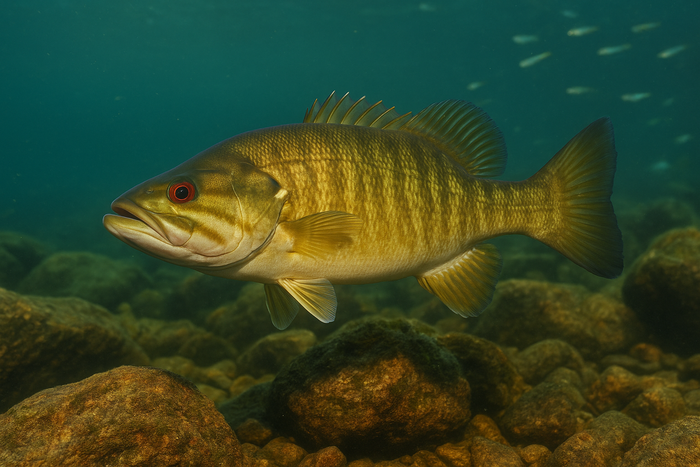
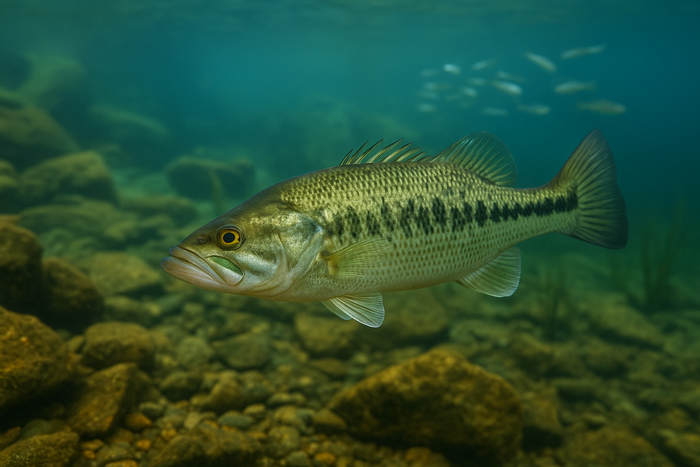
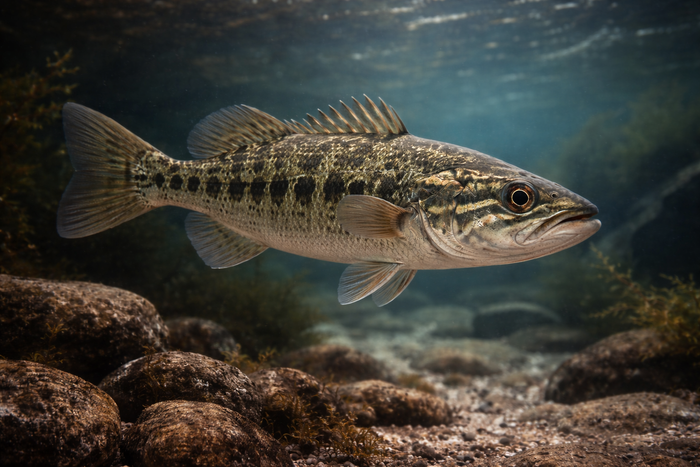
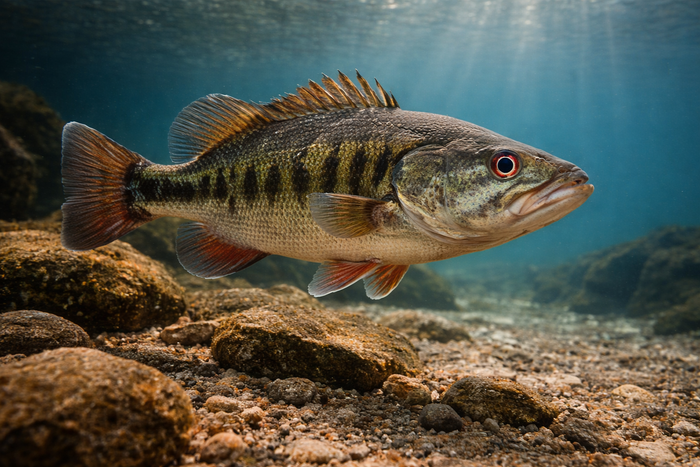
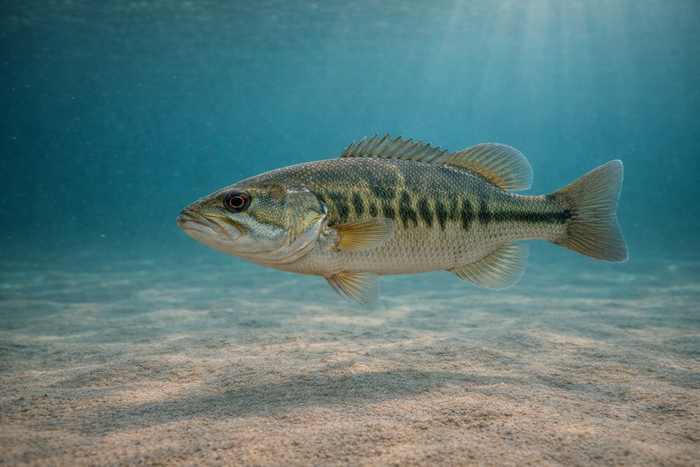
Spotted Bass stands out primarily because of its distinctive patterning. Unlike largemouth bass, which have a solid lateral stripe, Spotted Bass flaunt rows of dark spots along their lower sides. This spotting isn’t just for show—it’s a key identification marker. Another hallmark is the smaller mouth compared to largemouth bass, with the upper jaw not extending past the eye. This anatomical difference influences their feeding habits and prey choices.
Behaviorally, Spotted Bass are known for their boldness. They often inhabit faster-moving waters than largemouths, showing a preference for riffles, rocky substrates, and clear streams. This preference for current sets them apart and shapes their hunting strategies. They are aggressive predators, quick to strike at crayfish, minnows, and insects, making them a thrilling catch for anglers who know where to look.
Habitat & Global Range
Spotted Bass are native to the central and eastern United States, primarily found in the Mississippi River basin and its tributaries. Their range extends from southern Illinois and Indiana down through Arkansas, Oklahoma, and Texas, with pockets in the Ohio River and parts of the southeastern U.S. They thrive in freshwater rivers, reservoirs, and lakes with moderate to swift currents.
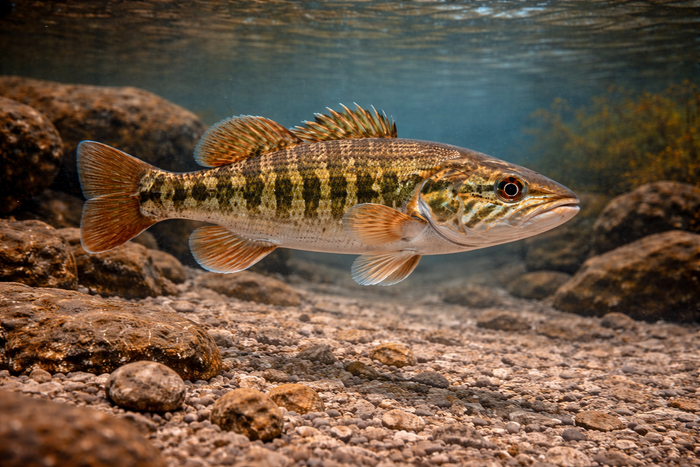
Spotted Bass habitat is characterized by clear to slightly turbid water with rocky or gravelly bottoms. Unlike largemouth bass, which prefer still or slow-moving waters with heavy vegetation, Spotted Bass are more at home in riffles and runs where oxygen levels are higher and prey is abundant. They often congregate around submerged rocks, ledges, and woody debris, using these structures for ambush points.
Their adaptability to different water conditions has allowed them to be introduced in some non-native areas, but they remain most abundant in their original range. Understanding their habitat preferences is crucial for anglers targeting them and for conservationists monitoring their populations.
Behavior & Temperament
Spotted Bass are aggressive and territorial. They defend prime feeding and spawning spots vigorously, making them less tolerant of intruders than largemouth bass. Their feeding behavior is opportunistic but focused; they rely heavily on crayfish, which are abundant in their preferred rocky habitats. This diet differentiates them from other bass species that lean more on fish or insects.
During spawning season, males build nests in gravel or rocky substrates in shallow waters. They guard the eggs and fry with intense vigilance, a behavior that ensures higher survival rates. Outside of spawning, Spotted Bass are often found schooling in deeper pools or near underwater structures, especially when water temperatures rise.
Anglers often describe Spotted Bass as fighters with a strong, steady pull. Their preference for current and rocky habitats means they put up a battle that tests both skill and gear. They are less likely to be found lurking in heavy vegetation, so fishing techniques differ from those used for largemouth bass.
Ecological Importance
Spotted Bass play a vital role in freshwater ecosystems. As mid-level predators, they help regulate populations of crayfish, small fish, and aquatic insects. This predation maintains a balance that supports overall biodiversity. Their presence indicates healthy, oxygen-rich waters with good habitat complexity.
They also serve as prey for larger predators, including birds of prey and larger fish species, linking multiple trophic levels. Their nesting behavior contributes to substrate turnover and nutrient cycling in river systems. In areas where they coexist with other bass species, they help maintain species diversity and genetic variation.
Conservation & Environmental Pressures
While Spotted Bass populations are generally stable, they face threats from habitat degradation and water pollution. Sedimentation from agriculture and urban runoff can smother the rocky substrates they depend on for spawning. Dams and water diversions alter flow regimes, reducing the riffle habitats essential for their survival.
Invasive species and hybridization with other bass species can also impact genetic integrity. Climate change poses a long-term risk by altering water temperatures and flow patterns, potentially shrinking suitable habitat.
Conservation efforts focus on protecting riverine habitats, maintaining water quality, and managing fisheries to prevent overharvesting. Angler education about catch-and-release practices and habitat stewardship is crucial for sustaining healthy Spotted Bass populations.
The FishyAF Take
The Spotted Bass is a standout species that deserves more respect than it often gets in the shadow of largemouth and smallmouth bass. Its unique spotted pattern, preference for flowing water, and aggressive nature make it a fascinating subject for anglers and ecologists alike. Understanding Spotted Bass facts and habitat preferences isn’t just trivia—it’s key to appreciating their role in freshwater ecosystems and ensuring their future.
If you’re chasing bass, don’t overlook the Spotted Bass. They offer a different kind of challenge and a glimpse into the complexity of river systems. Protecting their habitats means preserving the intricate balance of aquatic life that keeps our waters vibrant. The Spotted Bass isn’t just another fish; it’s a bold, memorable hook in the story of America’s freshwater biodiversity.