Chattahoochee Bass (Micropterus chattahoochae): The Southern Bass That Commands Respect
The Chattahoochee Bass is not your run-of-the-mill black bass. Native to the southeastern United States, this species has carved out a niche that demands attention from anglers and biologists alike. Known scientifically as Micropterus chattahoochae, it’s a freshwater predator with a distinct personality and a set of traits that make it stand apart in the crowded world of bass fishing. If you’re diving into Chattahoochee Bass facts, prepare to learn about a fish that’s as tough as the river it calls home.
What Makes the Chattahoochee Bass Unique?
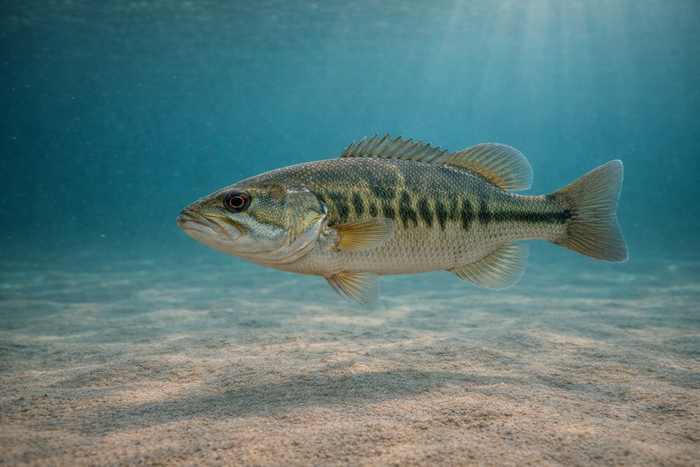
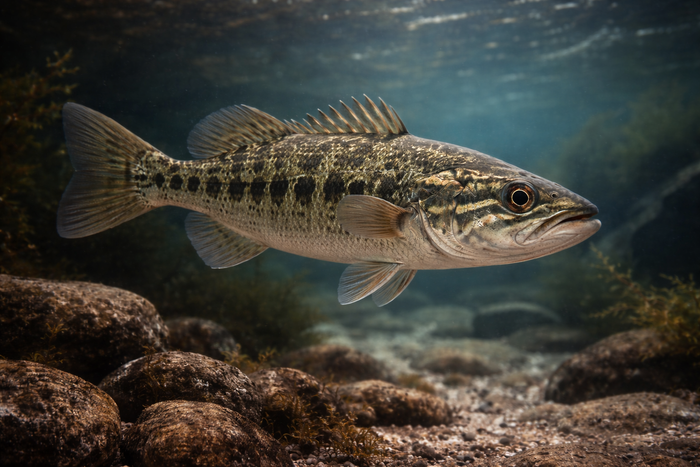
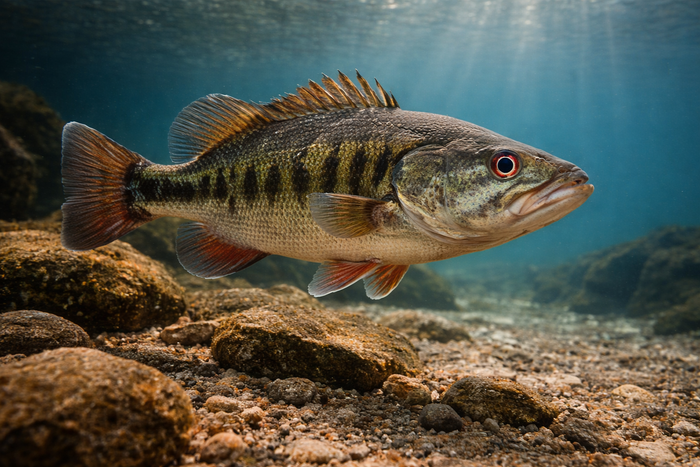
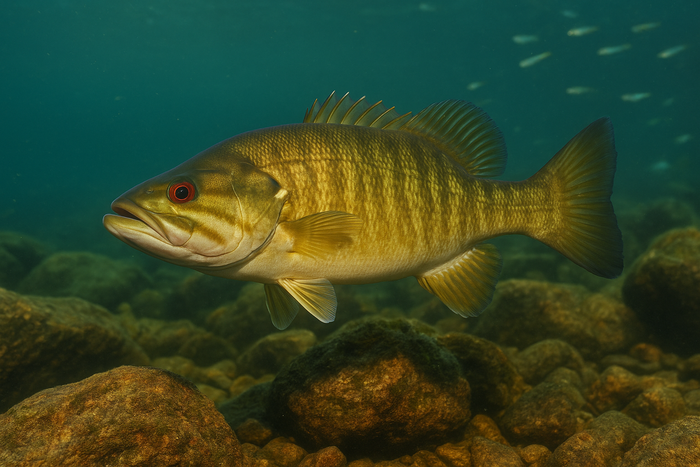
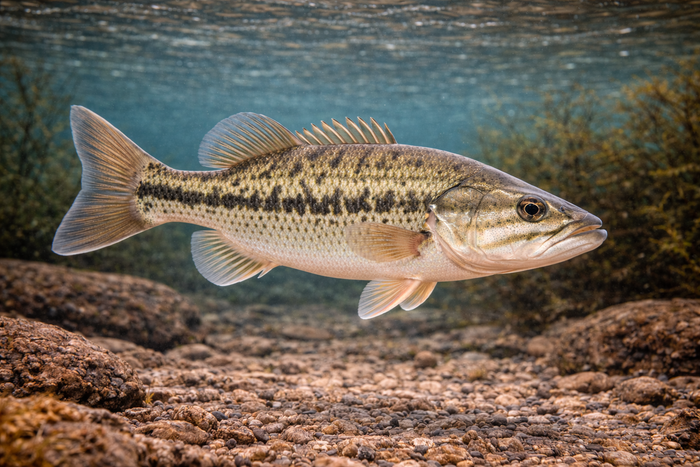
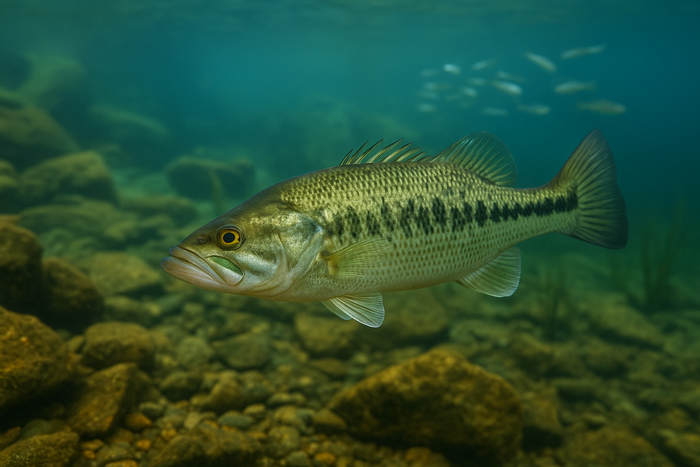
Forget lumping the Chattahoochee Bass in with largemouth or spotted bass. This species boasts its own genetic identity, which was only confirmed relatively recently. It’s a medium-sized bass with a robust body, sporting a pattern of dark blotches along its sides that resemble a broken lateral line. This camouflage isn’t just for show—it helps the fish blend into the rocky, fast-flowing streams it inhabits.
Unlike some bass species that prefer still or slow-moving waters, the Chattahoochee Bass thrives in swift currents. Its morphology reflects this lifestyle: a streamlined shape and powerful tail fin designed for bursts of speed and maneuverability. It’s a predator built for ambush, relying on quick strikes rather than prolonged chases.
Habitat & Global Range
The Chattahoochee Bass is a regional specialist, found primarily in the Chattahoochee River system and its tributaries across Georgia and Alabama. This fish is a creature of clear, cool, oxygen-rich streams with rocky substrates. It favors riffles and runs where the current is steady but not overwhelming, often lurking near boulders, submerged logs, or undercut banks.
Chattahoochee Bass habitat is defined by its specificity. Unlike more adaptable bass species, this fish demands pristine water quality and a particular riverbed structure. Its range is limited but stable, confined to the upper reaches of the river basin. This narrow distribution makes it a bellwether for the health of its ecosystem.
Behavior & Temperament
This bass isn’t a lazy lurker. It’s aggressive, territorial, and highly responsive to environmental changes. During spawning season, males stake out and fiercely defend nests in gravel beds, often engaging in intense battles with rivals. Outside of breeding, the Chattahoochee Bass maintains a solitary existence, patrolling its stretch of river with calculated precision.
Feeding behavior is opportunistic but strategic. The diet consists mainly of smaller fish, crayfish, and aquatic insects. Its hunting style is a mix of ambush and active pursuit, leveraging the current to surprise prey. Anglers familiar with Chattahoochee Bass know that they can be both cunning and aggressive, making them a challenging and rewarding catch.
Ecological Importance
The Chattahoochee Bass plays a critical role in maintaining the balance of its freshwater ecosystem. As a mid-level predator, it helps regulate populations of smaller fish and invertebrates, preventing any one species from dominating the food web. This balance supports biodiversity and the overall health of the river system.
Moreover, its presence is an indicator of water quality. Because the Chattahoochee Bass requires clean, well-oxygenated water, declines in its population often signal environmental degradation. Protecting this species means protecting the entire aquatic community that depends on the Chattahoochee River’s unique conditions.
Conservation & Environmental Pressures
Despite its resilience, the Chattahoochee Bass faces mounting threats. Habitat destruction from dam construction, sedimentation, and pollution has chipped away at its limited range. Urban development and agricultural runoff introduce contaminants that degrade water quality, directly impacting the species’ survival.
Invasive species, including non-native bass hybrids, pose another challenge. Hybridization can dilute the genetic integrity of the Chattahoochee Bass, complicating conservation efforts. Managing these pressures requires coordinated strategies focused on habitat restoration, pollution control, and careful monitoring of fish populations.
The FishyAF Take
The Chattahoochee Bass is a testament to nature’s ability to carve out specialized niches in a crowded ecosystem. It’s not just another bass to catch; it’s a species that demands respect for its unique adaptations and the fragile habitat it calls home. Understanding Chattahoochee Bass facts and habitat is essential for anglers, conservationists, and anyone serious about freshwater fisheries.
If you want to fish for Chattahoochee Bass or simply appreciate its role in the ecosystem, recognize that this is a species tied intimately to the health of the Chattahoochee River. Protecting it means protecting a slice of southern freshwater wilderness that’s as bold and memorable as the fish itself.