Striped Bass (Striper) (Morone saxatilis): The Iconic Gamefish That Commands Respect and Reels
The Striped Bass, or Striper as anglers call it, is one of North America’s most celebrated sportfish. Known for its distinctive dark horizontal stripes and impressive fighting ability, the Striper is more than just a pretty face in the water. It’s a species that embodies resilience, adaptability, and a storied relationship with both freshwater and saltwater ecosystems. Whether you’re a seasoned angler or a curious naturalist, understanding the Striped Bass (Striper) facts is essential to appreciating why this fish has earned its legendary status.
What Makes the Striped Bass (Striper) Unique?
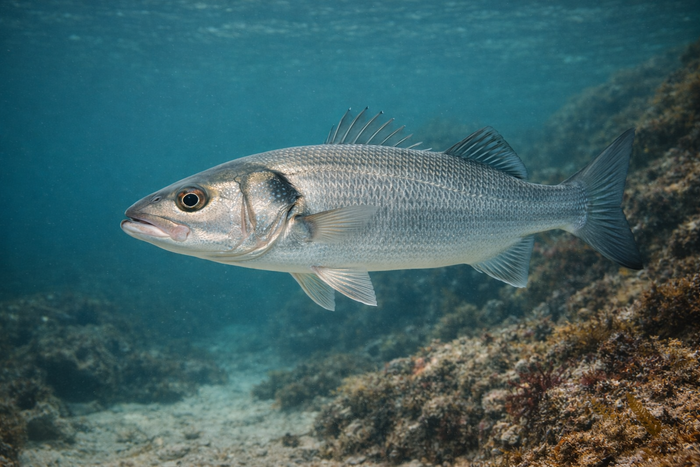
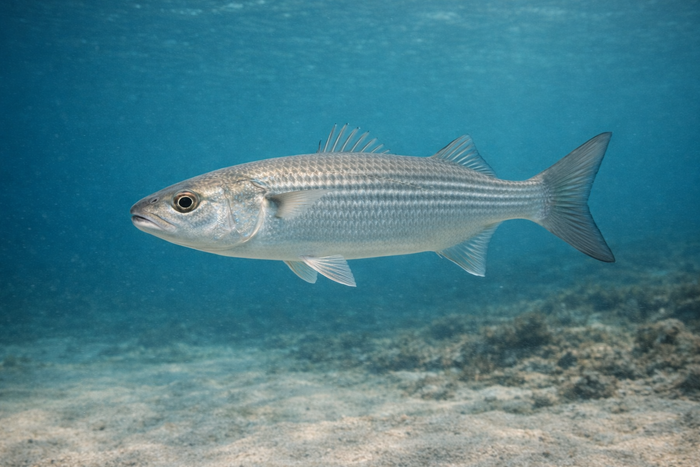
Striped Bass stand out for their striking appearance and versatile lifestyle. Their silvery bodies are marked by seven to eight bold black stripes running from gills to tail, a pattern that’s as unmistakable as it is functional, helping with camouflage in varied aquatic environments. But it’s not just about looks. The Striper is an anadromous species, meaning it migrates between saltwater and freshwater during its life cycle—a trait shared with salmon but rare among bass.
This adaptability allows Striped Bass to exploit a range of habitats, from coastal estuaries to inland rivers and reservoirs. They can tolerate a wide range of salinities, making them ecological chameleons. Their diet is equally diverse, feasting on everything from small baitfish and crustaceans to squid and even smaller stripers when the opportunity arises. This opportunistic feeding strategy fuels their growth and power, making them formidable predators and thrilling catches.
Habitat & Global Range
Striped Bass (Striper) habitat spans the Atlantic coast of North America, from the St. Lawrence River in Canada down to the St. Johns River in Florida. They thrive in estuaries, bays, and coastal waters, but their range extends well into freshwater systems. Major rivers like the Hudson, Delaware, and Chesapeake Bay are prime Striper hotspots, with many populations migrating upriver to spawn.
In recent decades, Striped Bass have been introduced to reservoirs and lakes across the western United States, expanding their range dramatically. These introductions have been largely successful, turning the Striper into a staple gamefish far beyond its native range. The ability to adapt to different water temperatures and salinity levels is key to this expansion. Understanding Striped Bass (Striper) habitat is crucial for anglers targeting them, as their movements often follow seasonal patterns tied to spawning and feeding.
Behavior & Temperament
Striped Bass are known for their aggressive feeding behavior and strong fight when hooked. They are schooling fish, often found in large groups, especially during migration and feeding frenzies. This schooling behavior increases their hunting efficiency and provides safety in numbers.
Their temperament is a mix of wariness and aggression. Stripers can be elusive, especially in heavily fished waters, requiring anglers to employ stealth and varied tactics. They are primarily crepuscular feeders, most active at dawn and dusk, but can strike at any time when baitfish are abundant. Their predatory instincts make them opportunistic hunters, striking fast and hard, which is why they are prized by sport fishermen.
Ecological Importance
Striped Bass play a pivotal role in their ecosystems as apex predators. By preying on baitfish and other smaller species, they help maintain balance in aquatic food webs. Their presence influences the population dynamics of forage species, which in turn affects water quality and habitat health.
In estuarine environments, Stripers contribute to nutrient cycling by moving between salt and freshwater systems. This migration supports the transfer of energy and nutrients across ecosystems, benefiting a wide range of aquatic life. Their spawning migrations also create opportunities for other species that rely on similar habitats, making the Striped Bass a keystone species in many coastal and riverine ecosystems.
Conservation & Environmental Pressures
Despite their robust populations, Striped Bass face several conservation challenges. Overfishing, habitat degradation, and pollution have historically threatened their numbers. Coastal development and dam construction have altered spawning grounds and migration routes, impacting reproduction success.
Efforts to manage Striped Bass populations include fishing regulations, habitat restoration, and stocking programs. These measures have helped many populations rebound, but ongoing vigilance is necessary. Climate change adds another layer of complexity, affecting water temperatures and salinity patterns that Stripers depend on. Protecting Striped Bass (Striper) habitat is critical not only for the species itself but for the broader health of aquatic ecosystems.
The FishyAF Take
Striped Bass are not just another fish on the line—they’re a symbol of adaptability and endurance in the face of environmental change. Their unique blend of saltwater and freshwater life cycles, aggressive behavior, and ecological significance make them a fascinating subject for anglers and conservationists alike. If you want to master the art of catching a Striper, you need to respect its intelligence and understand its habitat like a pro.
The Striped Bass (Striper) is a reminder that great fishing is about more than just the catch. It’s about knowing the fish’s story, its role in the ecosystem, and the challenges it faces. So next time you’re chasing that iconic striped shadow beneath the surface, remember you’re engaging with one of the most dynamic and resilient fish species out there. Fish smart, fish informed, and above all, fish with respect.