Bluefish (Pomatomus saltatrix): The Ocean’s Razor-Toothed Speed Demon
Bluefish are the ocean’s aggressive predators, known for their razor-sharp teeth, relentless feeding frenzies, and striking blue-green sheen. If you’ve ever witnessed a school of bluefish tearing through baitfish, you know these fish are not just another pretty face in the sea. Pomatomus saltatrix commands attention with a reputation for speed, power, and a temper that matches its sharp appearance. This guide dives deep into bluefish facts, their habitat, behavior, and why they matter in the marine ecosystem.
What Makes the Bluefish Unique?
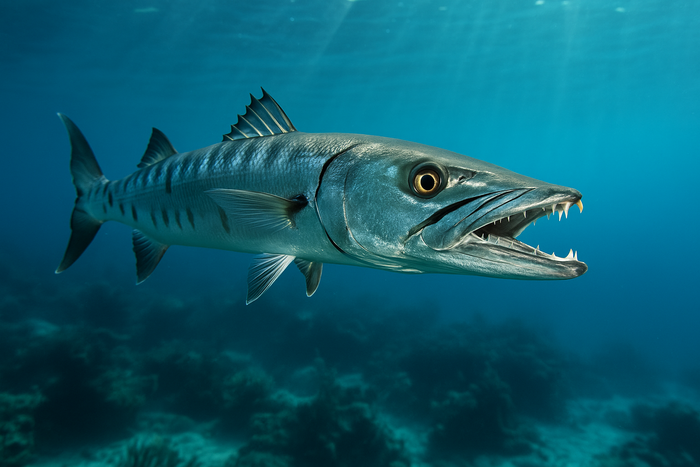
Bluefish stand out because they combine brute force with relentless hunting tactics. Their teeth are not just for show—they’re designed to slice through flesh and bone, making them one of the ocean’s most efficient predators. Unlike many fish that nibble or pick at prey, bluefish attack in coordinated packs, creating feeding frenzies that can decimate schools of smaller fish in minutes.
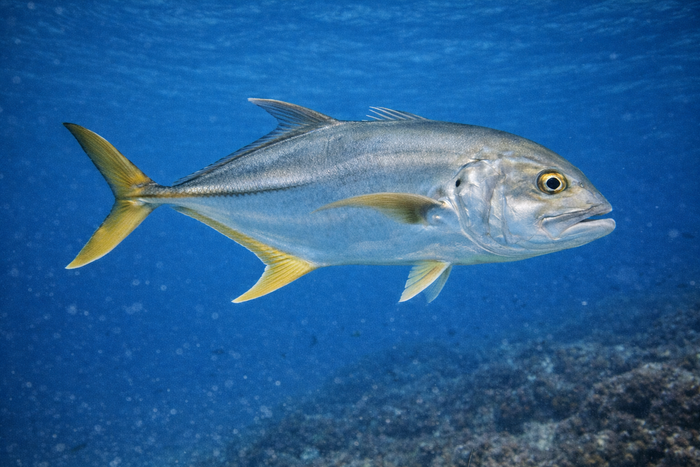
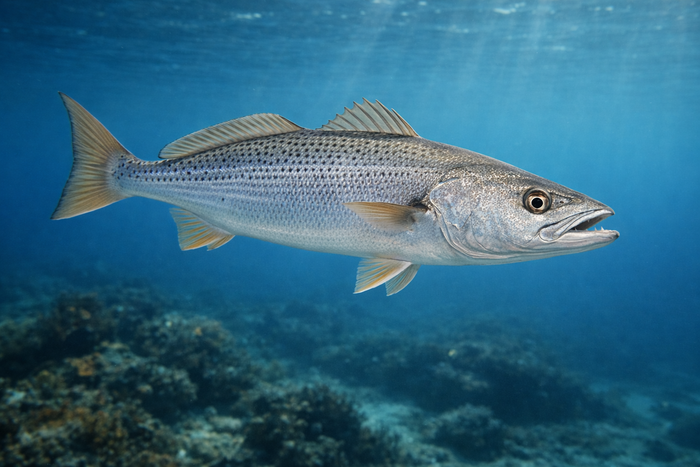
Their body shape is streamlined for speed, allowing quick bursts to chase down fast-moving prey. The blue-green coloration on their back fades to a silvery belly, providing camouflage from both above and below—a classic marine adaptation. But it’s their aggressive nature and willingness to strike anything that moves that really sets them apart.
Habitat & Global Range
Bluefish are cosmopolitan, found in temperate and subtropical waters worldwide. Their habitat spans the Atlantic Ocean from the U.S. East Coast down to South America, across the Mediterranean, and into parts of the Indian and Pacific Oceans. They prefer coastal and offshore waters, often near estuaries, bays, and continental shelves where baitfish congregate.
Bluefish habitat is dynamic; they follow seasonal temperature shifts and prey availability. In the summer months, they move closer to shorelines and estuaries, while in colder seasons, they retreat to deeper offshore waters. This migratory behavior ensures they stay in prime feeding grounds year-round, making them a staple in many coastal ecosystems.
Behavior & Temperament
Bluefish are notorious for their aggressive, fast-paced behavior. They hunt in schools, which can range from a handful to hundreds of individuals. This pack mentality allows them to herd and trap prey, turning feeding into a chaotic spectacle. Their attacks are swift and brutal, often leaving behind shredded baitfish and a cloud of disturbed water.
They are opportunistic feeders, consuming anything from menhaden and anchovies to squid and smaller pelagic fish. Bluefish don’t discriminate much; if it fits in their mouth and moves, it’s fair game. This aggression extends beyond hunting; bluefish have been known to bite anglers and damage fishing gear, earning a reputation as a tough catch.
Despite their ferocity, bluefish are also highly migratory and social. They use visual cues and water vibrations to coordinate movements during hunts. This social hunting strategy is a key survival trait, maximizing their efficiency as predators.
Ecological Importance
Bluefish play a critical role in marine food webs. As mid-level predators, they help regulate populations of smaller fish species, preventing any one group from overwhelming the ecosystem. Their feeding frenzies can influence the distribution and behavior of prey species, which in turn affects the broader marine community.
They are also prey for larger predators such as sharks, tuna, and marine mammals, positioning them as an important link between lower and upper trophic levels. Bluefish contribute to nutrient cycling by breaking down prey and redistributing biomass through their movements.
In fisheries, bluefish are valued for sport and commercial purposes, adding economic importance to their ecological role. Their aggressive nature and fighting ability make them a favorite among anglers, while their presence signals a healthy, productive marine environment.
Conservation & Environmental Pressures
Bluefish populations face several environmental pressures, primarily from overfishing and habitat degradation. Their aggressive feeding and schooling behavior make them vulnerable to large-scale commercial fishing operations. Overharvesting can disrupt local populations, leading to declines that ripple through the ecosystem.
Habitat changes, including coastal development, pollution, and climate change, also impact bluefish habitat. Rising ocean temperatures and shifting currents can alter their migratory patterns and prey availability, challenging their survival strategies.
Management efforts focus on regulating catch limits, monitoring population health, and protecting critical habitats. Sustainable fishing practices and marine protected areas are essential to maintaining bluefish populations and the balance they help sustain in marine ecosystems.
The FishyAF Take
Bluefish are not your average fish. They’re the ocean’s blue-collar bruisers—fast, fierce, and unforgettable. Their role as aggressive predators keeps marine ecosystems in check, and their dynamic behavior makes them a thrilling target for anglers. Understanding bluefish facts and their habitat is crucial for appreciating their place in the ocean’s complex food web.
If you want a fish that embodies power and persistence, bluefish deliver. But with great power comes great responsibility—overfishing and environmental changes threaten their future. Protecting bluefish means protecting a vital piece of the marine puzzle. So next time you hear about a bluefish feeding frenzy or see one flash by, remember you’re witnessing one of the ocean’s most remarkable hunters in action.