Cobia (Rachycentron canadum): The Ocean’s Sleek, Speedy Powerhouse You Can’t Ignore
Cobia is not your average game fish. Known for its streamlined body and relentless energy, this species commands respect from anglers and marine biologists alike. Rachycentron canadum cuts through water with the grace of a torpedo and packs a punch that makes it a prized catch worldwide. If you want to understand what makes a fish both a formidable predator and a vital part of marine ecosystems, cobia is your go-to example.
What Makes the Cobia Unique?
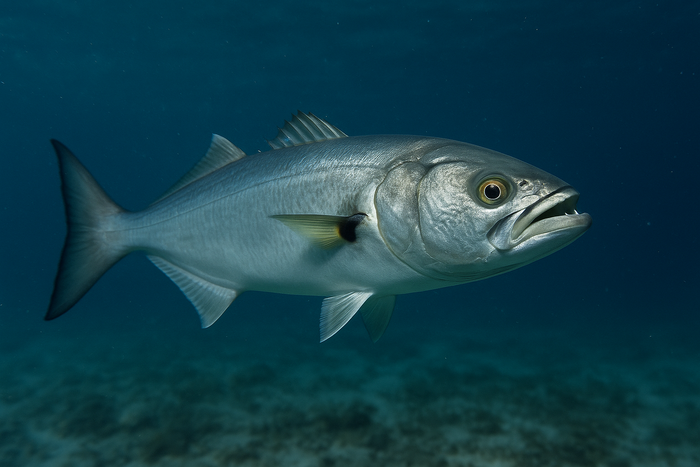
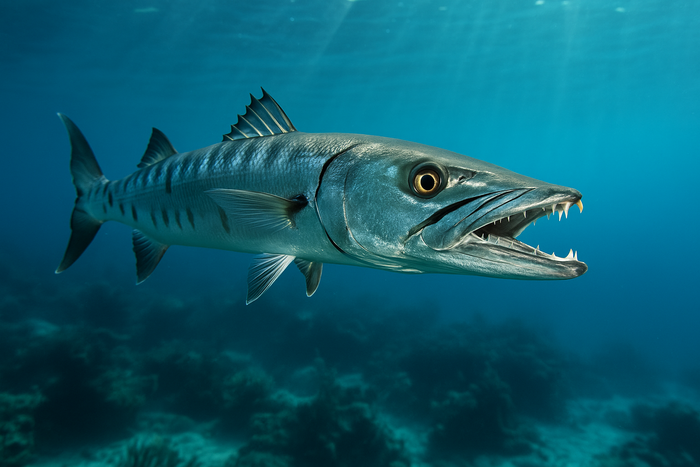
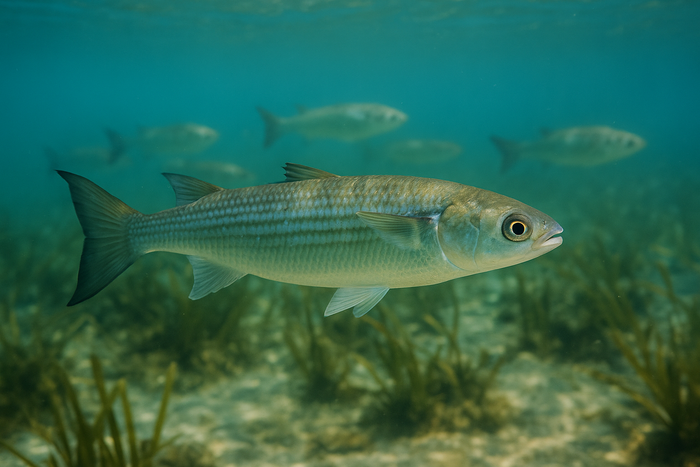
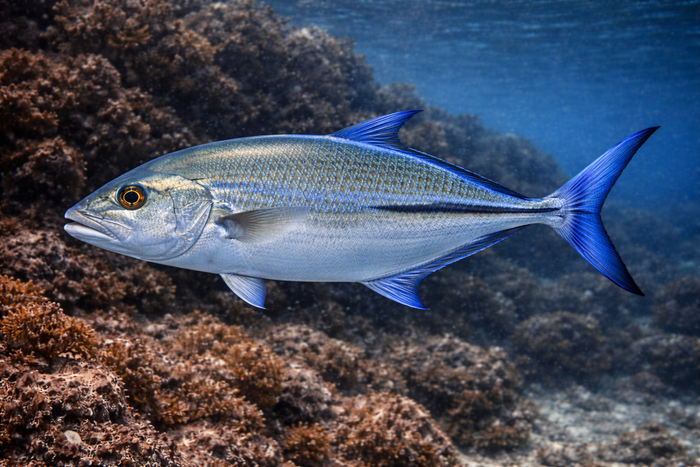
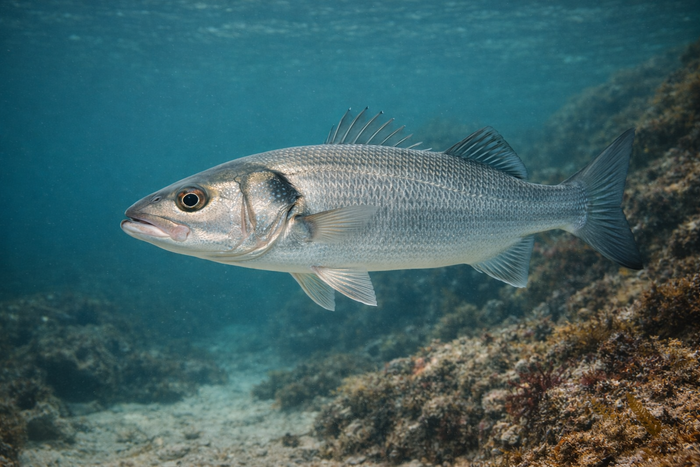
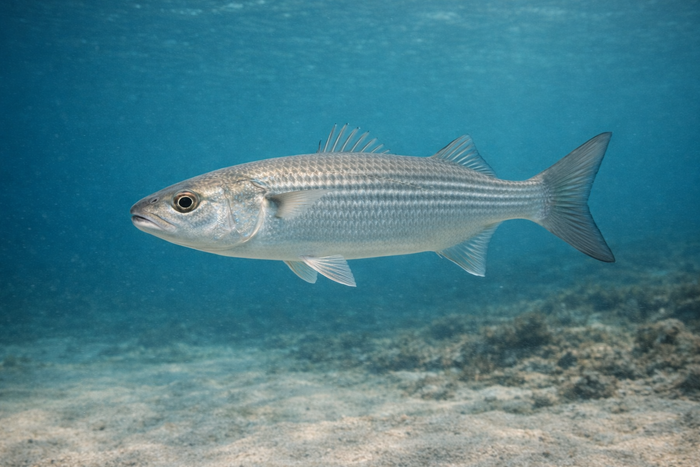
Cobia stands out in the fish world for several reasons. First, its body shape is a masterclass in hydrodynamics—long, slender, and muscular, built for speed and endurance. Unlike many coastal species, cobia can cruise vast distances, making it a true ocean wanderer. Its dark brown to gray coloration with a distinctive white underbelly and faint lateral stripes adds to its unmistakable profile.
But the real kicker? Cobia has a unique swim bladder structure that allows it to regulate buoyancy with precision, enabling it to hover effortlessly near reefs, wrecks, or open water. This adaptability makes it a versatile hunter, capable of ambushing prey or chasing it down in open ocean.
Habitat & Global Range
When it comes to cobia habitat, think warm temperate to tropical waters worldwide. These fish are found along the Atlantic coast from Massachusetts down through the Gulf of Mexico and the Caribbean, stretching across the Indo-Pacific from the Red Sea to Australia. Their preference? Coastal areas with structures like reefs, shipwrecks, and buoys where smaller fish gather.
Cobia are often spotted near the surface or mid-water, but they can dive deeper when chasing prey or avoiding threats. Their migratory patterns follow water temperature changes, moving north in summer and retreating south as waters cool. This seasonal movement makes them accessible to anglers in multiple regions but also means they play different ecological roles depending on location and time of year.
Behavior & Temperament
Cobia behavior is a blend of solitary cruising and opportunistic schooling. They often travel alone or in small groups but will form larger aggregations around floating debris or offshore platforms. These gatherings are not just social; they’re strategic feeding zones where cobia exploit the concentration of baitfish.
Temperament-wise, cobia are aggressive predators. They feed primarily on crabs, squid, and smaller fish, using bursts of speed to capture prey. For anglers, this means a fight that’s both fast and furious. Despite their aggression, cobia are curious and will follow divers or boats, sometimes even allowing close approaches before darting away.
Ecological Importance
Cobia play a critical role in maintaining the balance of coastal ecosystems. As mid-level predators, they help control populations of smaller fish and invertebrates, preventing any one species from dominating the food web. Their presence around reefs and wrecks contributes to the overall health of these habitats by influencing prey behavior and distribution.
Moreover, cobia serve as prey for larger predators like sharks and billfish, linking different trophic levels. Their migratory habits also aid nutrient cycling between coastal and offshore waters, supporting biodiversity across marine zones.
Conservation & Environmental Pressures
Despite their robust nature, cobia face mounting environmental pressures. Overfishing, especially in popular recreational and commercial fisheries, threatens local populations. Their tendency to aggregate makes them vulnerable to targeted fishing during spawning seasons.
Habitat degradation is another concern. Coastal development, pollution, and destruction of reef structures reduce the quality of cobia habitat, impacting their feeding and breeding grounds. Climate change adds complexity by shifting water temperatures and altering migratory patterns, potentially disrupting spawning success and food availability.
Effective conservation requires a mix of fishing regulations, habitat protection, and ongoing research. Size and bag limits, seasonal closures, and marine protected areas have shown promise in sustaining cobia populations, but enforcement and public awareness remain critical.
The FishyAF Take
Cobia is the kind of fish that demands attention. It’s fast, smart, and versatile—qualities that make it a standout in both sport fishing and marine ecology. Understanding cobia facts and habitat nuances isn’t just trivia; it’s essential for managing a species that bridges the gap between coastal and open ocean environments.
If you’re chasing cobia, know this: you’re dealing with a fish that’s as much a predator as it is a barometer of ocean health. Protecting cobia means protecting the intricate web of life they support. So respect the fight, respect the fish, and respect the waters they call home. Because cobia isn’t just another catch—it’s a bold, memorable force in the sea.