Mullet (Mugil cephalus): The Coastal Cruiser That’s More Than Just a Bait Fish
The mullet, Mugil cephalus, is often overlooked, dismissed as just another silvery fish darting through shallow waters. But this coastal cruiser deserves a closer look. With a global presence and a knack for thriving in diverse environments, the mullet is a resilient survivor with a fascinating lifestyle. Whether you’re a casual angler, an aquaculture enthusiast, or just curious about fish that shape coastal ecosystems, mullet facts reveal a creature that’s as adaptable as it is essential.
What Makes the Mullet Unique?
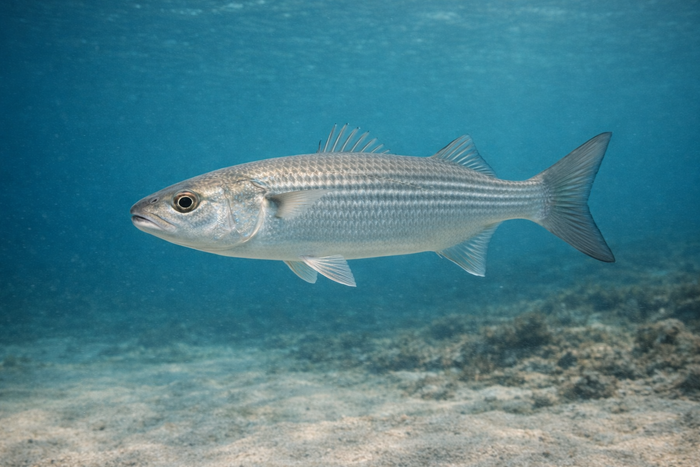
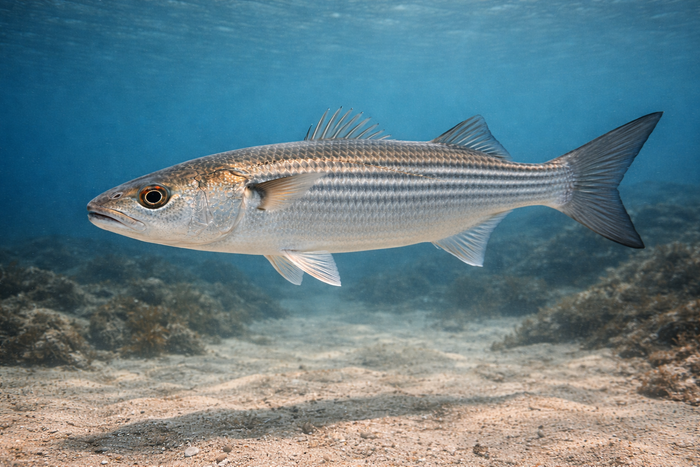
Mullet are instantly recognizable by their stout, torpedo-shaped bodies, forked tails, and distinctive, small mouths tucked under a blunt head. But what really sets them apart is their feeding strategy. Unlike many fish that chase down prey, mullet are bottom feeders and filter feeders rolled into one. They use specialized gill rakers to sift through detritus, algae, and organic matter in the sediment. This diet gives them a crucial role in nutrient cycling, cleaning up the water as they graze.
Another standout feature is their ability to tolerate a wide range of salinities. Mullet can move effortlessly between fresh, brackish, and marine waters, making them true euryhaline champions. This flexibility allows them to exploit different habitats and avoid predators or unfavorable conditions with ease.
Habitat & Global Range
Mullet habitat spans the globe, from temperate to tropical coastal waters. They are found along the Atlantic coasts of North and South America, the Mediterranean, the Indian Ocean, and the Pacific. Their preference? Shallow, sheltered environments like estuaries, lagoons, bays, and river mouths where food is abundant and water conditions fluctuate.
This fish thrives in the interface zones where freshwater meets saltwater, capitalizing on the rich organic matter washed down from rivers. Mullet also frequent sandy or muddy bottoms where they can root around for detritus. Their presence in these habitats makes them a key player in the health of coastal ecosystems.
Behavior & Temperament
Mullet are schooling fish, often seen moving in tight, synchronized groups. This behavior reduces individual risk from predators and increases foraging efficiency. They are active during the day, cruising slowly near the surface or mid-water, occasionally making impressive leaps out of the water—an escape tactic or a way to dislodge parasites.
Despite their schooling nature, mullet can be surprisingly wary, making them a challenging target for anglers. They are not aggressive and pose no threat to other species, but their quick reflexes and sharp eyesight keep them one step ahead of predators.
Ecological Importance
Mullet play a pivotal role in coastal ecosystems. By feeding on detritus and algae, they help control algal blooms and recycle nutrients, maintaining water quality. Their grazing activity stirs up sediments, which can enhance oxygen penetration and nutrient availability for other organisms.
They are also a vital link in the food web. Juvenile mullet serve as prey for larger fish, birds, and marine mammals, while adults are targeted by commercial and recreational fisheries. Their migratory patterns contribute to the transfer of energy and nutrients across different habitats, connecting freshwater and marine environments.
Conservation & Environmental Pressures
While mullet populations are generally stable, they face challenges from habitat degradation, pollution, and overfishing in some regions. Coastal development and water pollution threaten the estuarine environments they depend on. Sediment runoff, chemical contaminants, and hypoxia events can reduce food availability and habitat quality.
Overfishing, particularly in areas where mullet are prized for food or bait, can disrupt local populations. However, their broad distribution and adaptability provide some resilience. Sustainable management practices, habitat restoration, and pollution control are essential to ensure mullet continue to thrive and fulfill their ecological roles.
The FishyAF Take
Mullet might not have the flashiest reputation, but they are the unsung heroes of coastal waters. Their unique feeding habits, habitat versatility, and ecological contributions make them indispensable. If you want to understand the pulse of estuarine and nearshore ecosystems, mullet facts are a great place to start.
For anglers, mullet offer a subtle challenge—wary, quick, and schooling in numbers. For conservationists, they represent a species that highlights the interconnectedness of freshwater and marine worlds. And for the curious, they’re a reminder that sometimes the most unassuming fish hold the most fascinating stories. Next time you spot a mullet skimming the surface or leaping from the water, remember you’re witnessing a master of adaptation and a cornerstone of coastal life.