Great Barracuda (Sphyraena barracuda): The Ocean’s Razor-Toothed Speed Demon
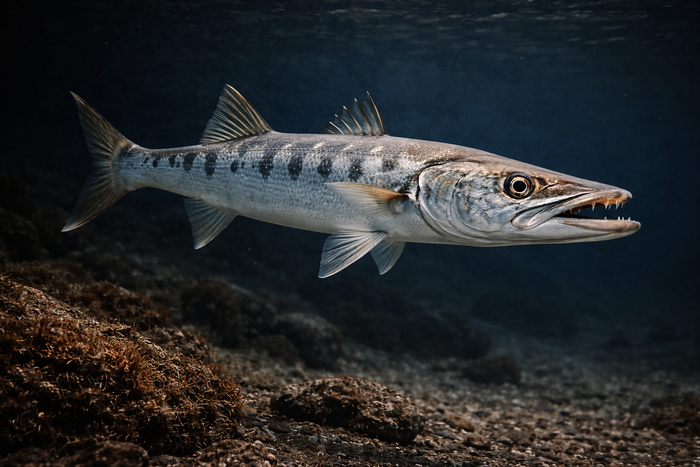
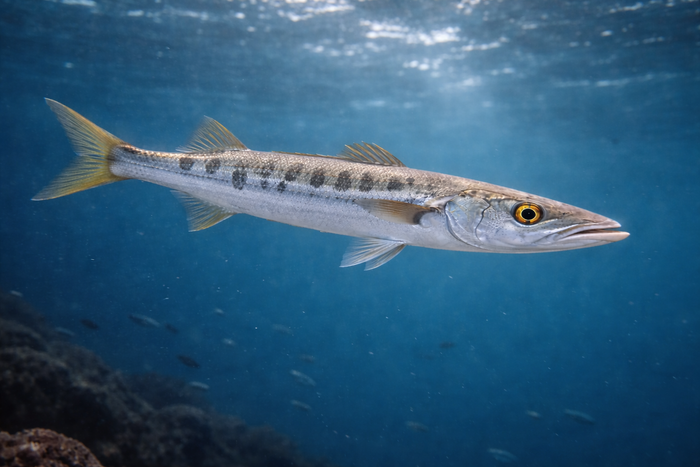
The Great Barracuda is the apex predator that commands attention wherever it swims. Known for its sleek, torpedo-shaped body and razor-sharp teeth, this fish is a master of speed and precision. It’s not just a fish; it’s a living missile built for ambush and dominance in tropical and subtropical waters. If you want to know what makes this species a standout in the marine world, you’re in the right place.
What Makes the Great Barracuda Unique?
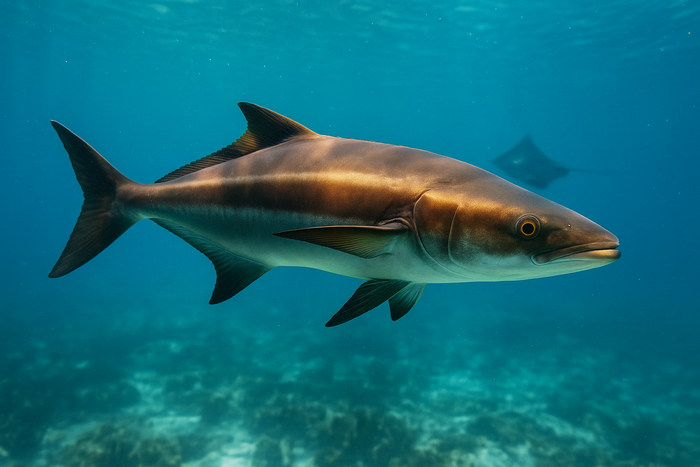
The Great Barracuda stands out with its combination of size, speed, and ferocity. Unlike many predators that rely on camouflage or pack tactics, the barracuda uses sheer speed and surprise. Its elongated body and powerful tail fin allow it to burst forward at speeds up to 27 miles per hour, making it one of the fastest fish in its environment. But speed isn’t the whole story. Its mouth is a deadly weapon, lined with large, fang-like teeth designed to slash through prey with surgical precision.
Another unique feature is its hunting style. The Great Barracuda often lurks just below the surface, using the sun’s glare to mask its silhouette. It strikes with lightning speed, targeting smaller fish and cephalopods. Its eyes are adapted for sharp vision in low light, giving it an edge during dawn and dusk hunts.
Habitat & Global Range
The Great Barracuda’s habitat is as broad as its reputation. It thrives in warm coastal waters around the world, from the Atlantic Ocean to the Indo-Pacific region. You’ll find it cruising coral reefs, mangroves, and seagrass beds, often near drop-offs and channels where prey is abundant.
This species prefers shallow waters but is not limited to them. It can be found from the surface down to depths of around 100 meters. The Great Barracuda habitat is closely tied to areas rich in biodiversity, which supports its carnivorous diet. Tropical and subtropical seas provide the perfect temperature range and abundant hunting grounds.
Behavior & Temperament
The Great Barracuda is a solitary hunter with a reputation for being aggressive and fearless. It’s not a fish you want to provoke. While it generally avoids humans, it can become curious or defensive if approached too closely. Its temperament is bold, and it will not hesitate to chase down prey or defend its territory.
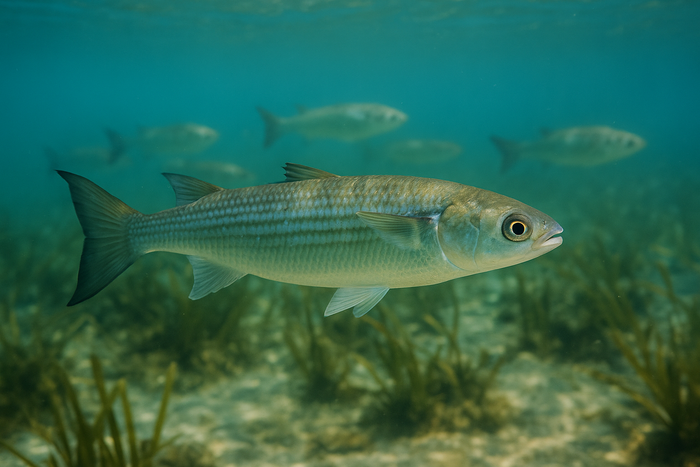
Barracudas are ambush predators. They rely on stealth and speed rather than endurance. They often lie in wait, motionless or slowly cruising, before launching a sudden attack. Their diet consists mainly of smaller fish like mullets, snappers, and grunts, but they will also consume squid and crustaceans.
Interestingly, Great Barracudas can sometimes be found in groups, especially juveniles. These schools provide safety in numbers and improve hunting efficiency. Adults, however, tend to be more solitary and territorial.
Ecological Importance
The Great Barracuda plays a critical role in maintaining the balance of marine ecosystems. As a top predator, it helps regulate populations of smaller fish and invertebrates, preventing any one species from dominating the reef or coastal environment. This predation pressure promotes biodiversity and healthy fish communities.
By controlling prey populations, barracudas indirectly support coral reef health. Overpopulation of certain herbivorous fish can lead to overgrazing or undergrazing of algae, which affects coral growth. The Great Barracuda’s presence helps maintain this delicate balance.
Additionally, barracudas are indicators of ecosystem health. Their abundance or scarcity can signal changes in fish populations or water quality, making them valuable for marine monitoring.
Conservation & Environmental Pressures
Despite their fearsome reputation, Great Barracudas face several environmental pressures. Habitat degradation, especially the loss of coral reefs and mangroves, threatens their hunting grounds. Pollution and coastal development reduce water quality and disrupt the delicate ecosystems they depend on.
Overfishing is another concern. While not typically targeted commercially, barracudas are often caught as bycatch or sought after by sport fishers. Unsustainable fishing practices can reduce their numbers and disrupt local food webs.
Climate change adds another layer of complexity. Rising sea temperatures and ocean acidification affect both the barracudas and their prey. Changes in migration patterns and breeding success are potential consequences that could impact their populations.
Conservation efforts focus on protecting critical habitats and promoting sustainable fishing. Marine protected areas and reef restoration projects benefit the Great Barracuda and countless other species sharing its environment.
The FishyAF Take
The Great Barracuda is a fish that demands respect. It’s a perfect blend of evolutionary engineering—speed, power, and precision all wrapped in a sleek package. If you’re diving in tropical waters, spotting one is a reminder that the ocean is full of apex predators who run the show.
Understanding Great Barracuda facts and their habitat is crucial for appreciating their role in marine ecosystems. They’re not just scary teeth and speed; they’re vital players in keeping reefs healthy and balanced. Protecting their environment means protecting the intricate web of life beneath the waves.
Next time you hear about the Great Barracuda, think beyond the myths and fear. Recognize it as a key species that embodies the raw, untamed energy of the ocean. It’s not just a fish; it’s a force of nature.