Northern Sennet (Sphyraena borealis): The Coastal Predator That Commands Attention
The Northern Sennet is not your average coastal fish. With a sleek, torpedo-shaped body and razor-sharp teeth, this species is a striking example of evolutionary design built for speed and precision. Found along the western Atlantic, the Northern Sennet cuts through the water with a predatory grace that demands respect. This guide dives deep into Northern Sennet facts, exploring what sets this fish apart, where it thrives, and why it matters in the marine ecosystem.
What Makes the Northern Sennet Unique?
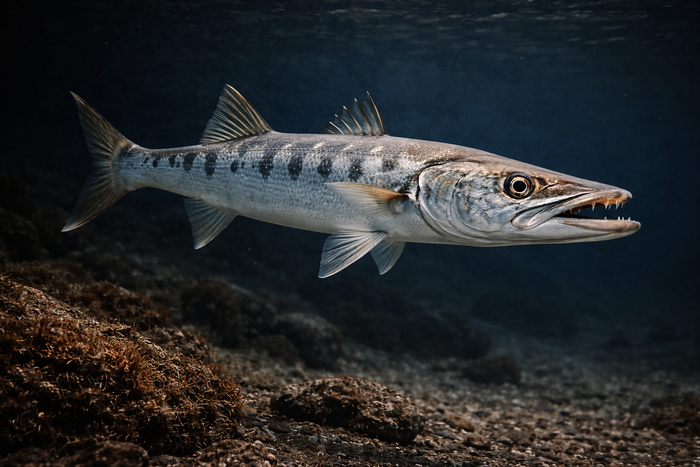
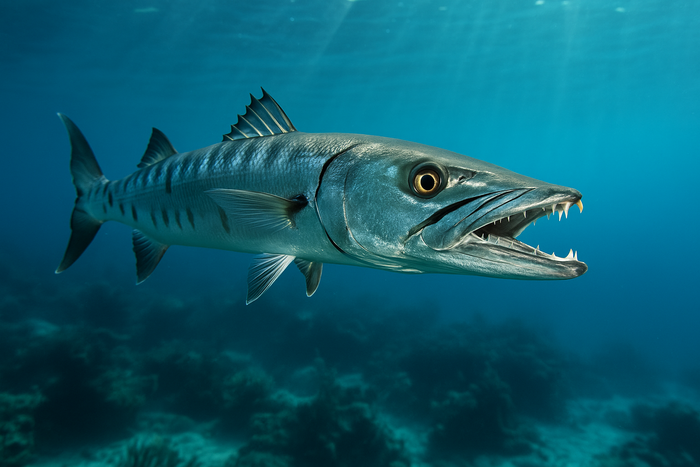
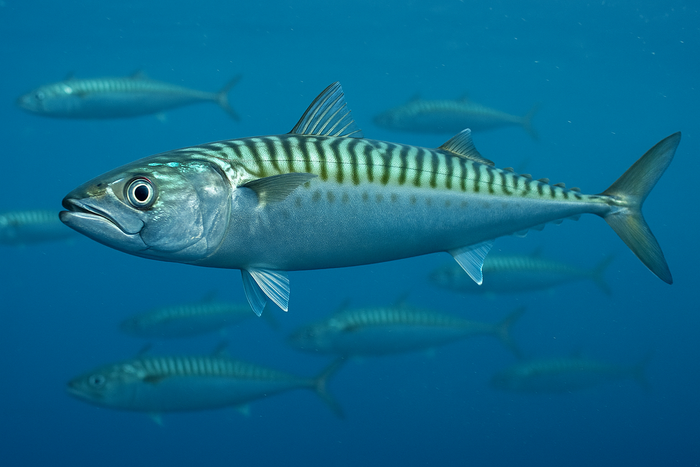
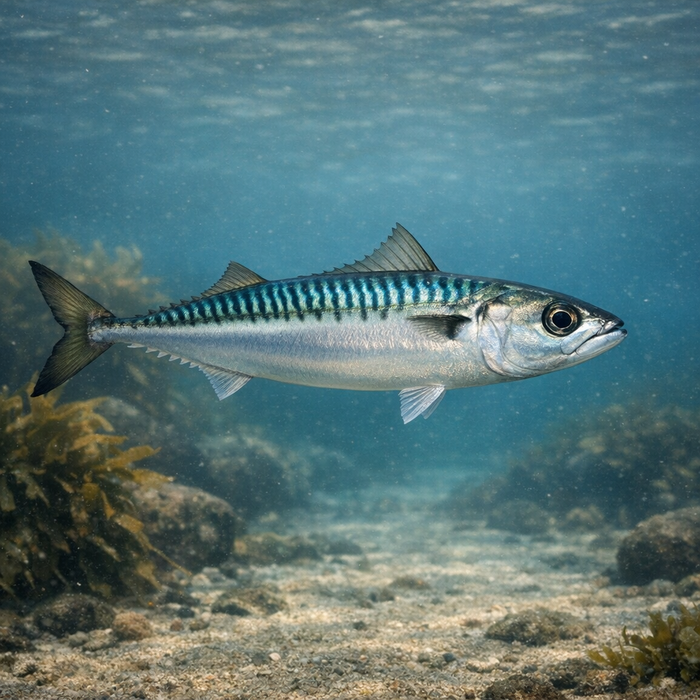
The Northern Sennet stands out for its combination of speed, agility, and a distinctive appearance. Unlike many of its relatives, it sports a more elongated body and a pronounced lower jaw lined with needle-like teeth, perfect for snagging smaller fish. Its coloration—silvery with faint vertical bars—provides camouflage against the shifting light of coastal waters. This species is a master ambush predator, relying on bursts of speed rather than endurance. Its physiology is optimized for quick strikes, making it a formidable hunter despite its relatively modest size.
Another unique trait is its schooling behavior during certain life stages. While often seen alone or in small groups, juveniles form larger schools, a strategy that boosts survival rates against larger predators. This social flexibility is a hallmark of the Northern Sennet’s adaptability.
Habitat & Global Range
Northern Sennet habitat is primarily coastal, favoring shallow waters along the western Atlantic coastline. Its range extends from the mid-Atlantic states of the United States down through the Gulf of Mexico and into parts of the Caribbean. These fish prefer warm temperate to subtropical waters, often hanging around reefs, rocky outcrops, and seagrass beds where prey is abundant.
Unlike some relatives that venture into open ocean, the Northern Sennet sticks close to shorelines and estuaries. This preference for nearshore environments means it plays a crucial role in coastal food webs. It’s not uncommon to find them patrolling bays and inlets, using the complex terrain to ambush unsuspecting prey.
Behavior & Temperament
The Northern Sennet is a classic predator with a temperament to match. It’s aggressive when hunting but generally avoids confrontation with larger species unless cornered. Its hunting style is a mix of patience and explosive action. It will often lurk near structures, waiting for the perfect moment to dart forward and snap up smaller fish or crustaceans.
Socially, Northern Sennet are somewhat solitary outside of juvenile schooling phases. They exhibit territorial tendencies, especially during breeding seasons, defending prime hunting grounds. Their boldness and speed make them a challenge for anglers, who prize them for their fight and tenacity.
Ecological Importance
Northern Sennet plays a pivotal role in maintaining the balance of coastal ecosystems. As mid-level predators, they control populations of smaller fish and invertebrates, preventing any one species from dominating and disrupting the food chain. Their presence indicates healthy, productive habitats since they rely on abundant prey and clean waters.
Moreover, Northern Sennet serve as prey for larger predators, including sharks and larger game fish, linking multiple trophic levels. Their role as both predator and prey underscores their importance in sustaining biodiversity and ecosystem resilience.
Conservation & Environmental Pressures
While not currently listed as endangered, Northern Sennet face several environmental pressures that could impact populations if left unchecked. Coastal development, pollution, and habitat degradation threaten the shallow waters they depend on. Overfishing, particularly as bycatch in commercial fisheries, also poses a risk.
Climate change adds another layer of complexity, potentially shifting their habitat range and affecting prey availability. Monitoring Northern Sennet populations and protecting critical habitats like seagrass beds and reefs are essential steps for ensuring their long-term survival.
The FishyAF Take
Northern Sennet is a fish that demands attention—not just for its sleek looks but for its role as a coastal predator and ecosystem linchpin. It’s a species that embodies the raw efficiency of nature’s design: fast, sharp, and adaptable. For anglers and marine enthusiasts alike, understanding Northern Sennet facts means appreciating a fish that’s as fascinating as it is formidable.
If you’re exploring the coastal waters of the western Atlantic, keep an eye out for this bold hunter. Its presence signals a healthy marine environment and a well-balanced food web. Protecting Northern Sennet habitat isn’t just about one species—it’s about preserving the intricate dance of life along our shores.