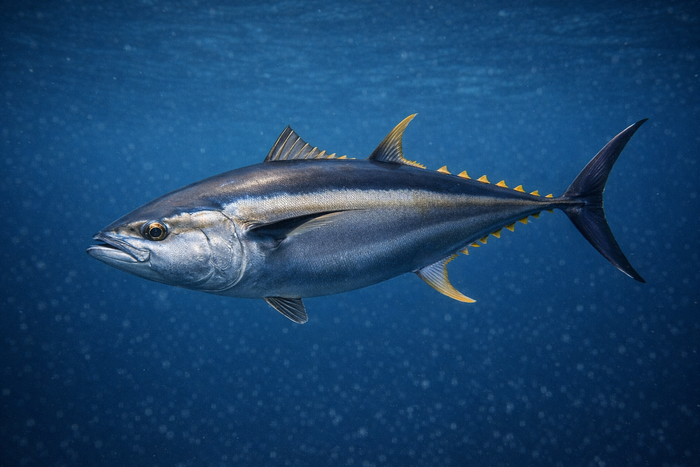
Cero Mackerel (Scomberomorus regalis): The Speed Demon of Coastal Waters
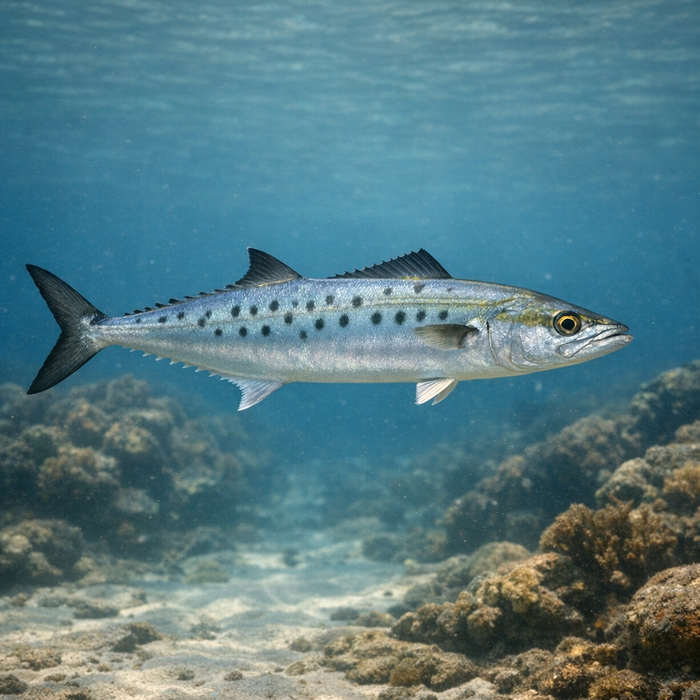
The Cero Mackerel is not your average fish. Sporting a sleek, torpedo-shaped body and a pattern of bold, irregular stripes, this species commands attention both in the water and on the line. Known scientifically as Scomberomorus regalis, the Cero is a prized catch for anglers and a vital predator in its ecosystem. If you’re diving into Cero Mackerel facts, prepare for a fish that combines speed, agility, and a striking appearance that sets it apart from its mackerel cousins.
What Makes the Cero Mackerel Unique?
The Cero Mackerel stands out with its distinctive coloration: a series of dark vertical bars and spots running along its silvery sides, topped off with a prominent yellowish stripe. Unlike many mackerels, the Cero’s body is elongated with a pointed snout, built for rapid bursts of speed. This fish is a master of ambush, using its streamlined form to dart through schools of baitfish with precision and power.
Another unique trait is its dentition. The Cero’s teeth are sharp and slightly fang-like, designed to grip slippery prey such as small fish and squid. This dental setup is not just for show—it’s a key adaptation that allows the Cero to thrive as a mid-level predator in its marine environment.
Habitat & Global Range
The Cero Mackerel calls the warm waters of the western Atlantic home, with a range stretching from the northeastern coast of the United States down through the Caribbean and along the northern coast of South America. Its preferred Cero Mackerel habitat includes coastal and offshore waters, often near reefs, wrecks, and other structures that attract baitfish.
This species favors clear, warm waters where it can hunt efficiently. It’s commonly found from the surface down to moderate depths, rarely venturing into the deep ocean. Seasonal migrations are part of its life cycle, moving northward in warmer months and retreating south when waters cool. This migratory behavior aligns with the availability of prey and optimal spawning conditions.
Behavior & Temperament
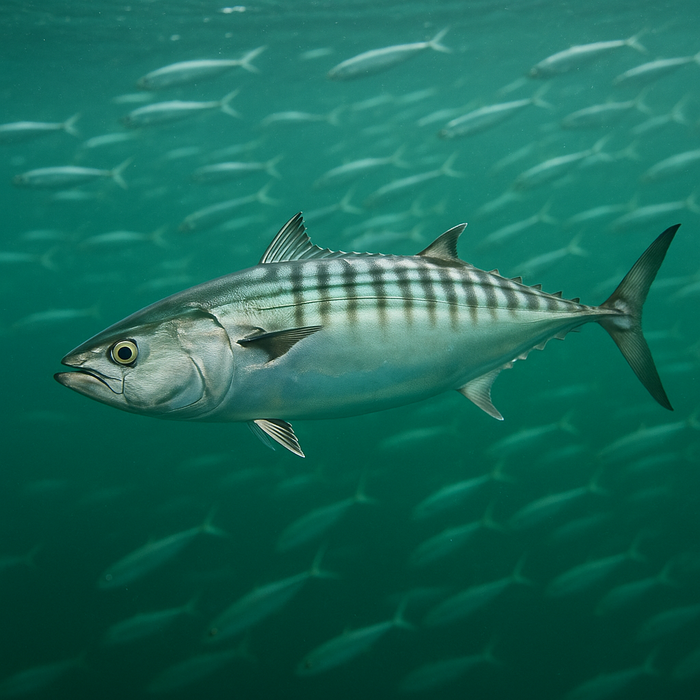
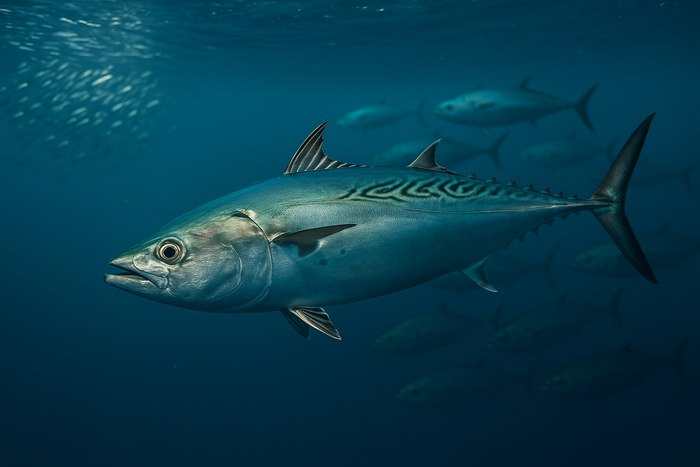
Cero Mackerel are fast, aggressive hunters. Their behavior is characterized by quick, darting movements and sudden bursts of speed to capture prey. They often hunt in small groups but can also be solitary predators. When feeding, they target schools of small fish like sardines, anchovies, and juvenile fish, using their speed and sharp teeth to isolate and capture individual targets.
In terms of temperament, the Cero is a fighter. Anglers know this species for its spirited runs and acrobatic leaps when hooked. It’s not a fish that gives up easily, making it a thrilling challenge on rod and reel. Despite their aggressive hunting style, Cero Mackerel are not territorial and tend to avoid direct confrontations with larger predators, relying on speed and agility to escape threats.
Ecological Importance
The Cero Mackerel plays a crucial role in maintaining the balance of coastal marine ecosystems. As a mid-level predator, it helps regulate populations of smaller fish and squid, preventing overpopulation and ensuring healthy prey dynamics. This predation pressure supports the overall health of the food web, indirectly benefiting larger predators like sharks and billfish that rely on similar prey.
Moreover, the Cero serves as a key food source for larger marine animals, linking lower and higher trophic levels. Its presence indicates a healthy, functioning ecosystem, especially in reef-associated environments where biodiversity is high. The species’ migratory patterns also contribute to nutrient cycling across different marine regions.
Conservation & Environmental Pressures
While the Cero Mackerel is not currently classified as endangered, it faces several environmental pressures that could impact populations if left unchecked. Overfishing is a primary concern, especially in regions where commercial and recreational fishing overlap. The species’ popularity among sport fishers makes it vulnerable to localized depletion.
Habitat degradation also poses a threat. Coastal development, pollution, and coral reef damage reduce the quality of the Cero Mackerel habitat, affecting prey availability and spawning grounds. Climate change adds another layer of complexity, potentially altering water temperatures and currents that influence migration and reproductive cycles.
Sustainable fishing practices and habitat protection are essential to ensure the Cero Mackerel remains a robust component of marine biodiversity. Monitoring population trends and enforcing catch limits where necessary will help maintain this species’ ecological role and recreational value.
The FishyAF Take
The Cero Mackerel is a standout species that deserves more spotlight than it gets. It’s fast, fierce, and beautifully patterned—a true apex of coastal waters’ mid-tier predators. Whether you’re an angler chasing the thrill of a hard-fighting fish or a marine enthusiast fascinated by predator-prey dynamics, the Cero offers something compelling.
Understanding Cero Mackerel facts and habitat nuances is key to appreciating its role in the marine world and the challenges it faces. This fish is a reminder that speed and style come with ecological responsibility. Keep an eye on this species, because the Cero Mackerel is not just a catch—it’s a vital thread in the fabric of ocean life.