Blackfin Tuna (Thunnus atlanticus): The Speed Demon of the Western Atlantic
The Blackfin Tuna is the smallest member of the Thunnus genus, but don’t let its size fool you. This sleek predator packs a punch in both speed and spirit, carving out a niche in the warm waters of the western Atlantic. Known for its distinctive black finlets and aggressive feeding habits, the Blackfin Tuna is a favorite among anglers and marine biologists alike. This species blends raw power with a bold personality, making it a fascinating subject for anyone serious about fish.
What Makes the Blackfin Tuna Unique?
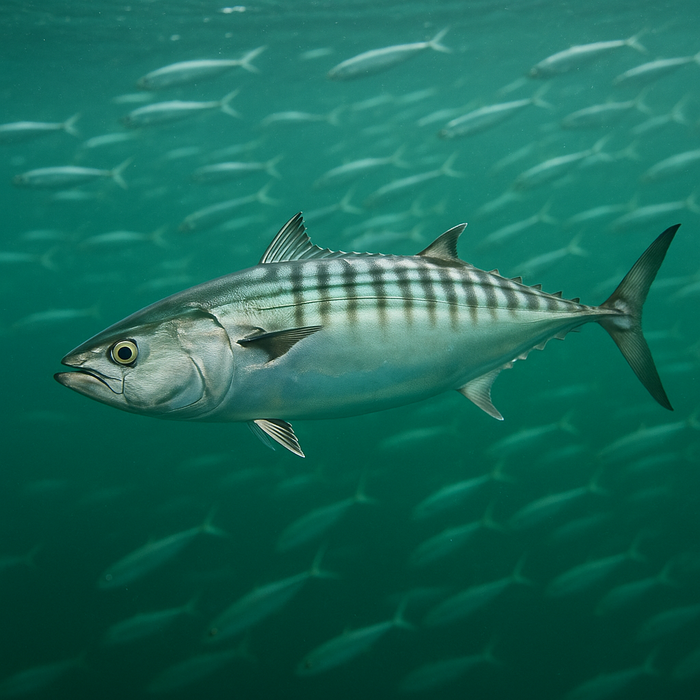
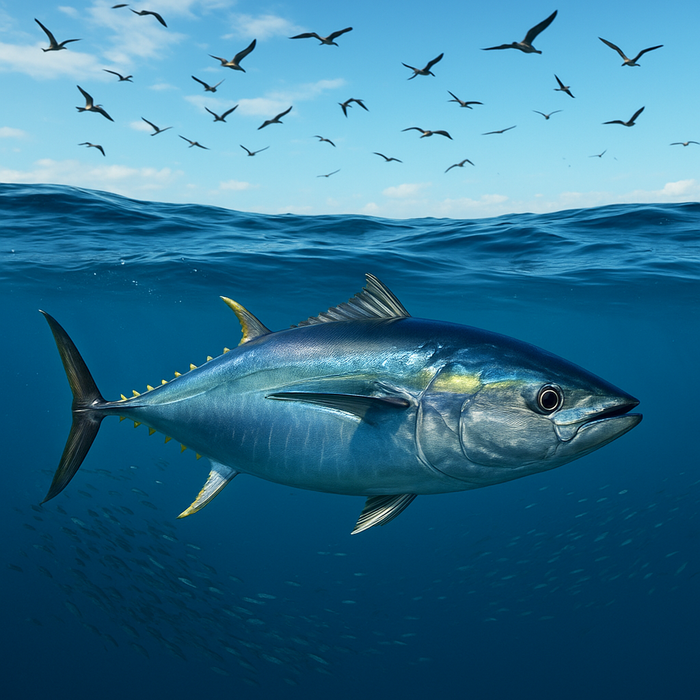
Blackfin Tuna stands apart from its larger cousins like the Bluefin and Yellowfin by its size and striking features. It rarely exceeds 40 pounds, but it’s built for bursts of speed and agility. Its most defining characteristic is the black coloration on its dorsal and anal finlets, which gives the fish its name. Unlike other tunas, Blackfin Tuna have a more streamlined body and a shorter pectoral fin, adaptations that optimize quick, darting movements.
This species also exhibits a remarkable tolerance for warmer, shallower waters compared to other tunas. It thrives in coastal zones and around offshore islands, where it hunts smaller schooling fish and squid with precision. The Blackfin’s feeding strategy is aggressive and opportunistic, often forming fast-moving schools that can turn a calm sea into a frenzy of activity.
Habitat & Global Range
Blackfin Tuna habitat is primarily concentrated in the western Atlantic Ocean, ranging from the northeastern United States down through the Caribbean and along the coast of Brazil. This fish prefers tropical and subtropical waters, typically between 64 and 82 degrees Fahrenheit. Unlike some of its pelagic relatives that roam the open ocean, Blackfin Tuna favor coastal environments, including coral reefs, seagrass beds, and continental shelf edges.
Their presence is most notable in the Gulf of Mexico and the Caribbean Sea, where the water temperature and prey availability create ideal conditions. Blackfin Tuna are often found near the surface but can dive to moderate depths when chasing prey or evading predators. Their habitat overlaps with popular fishing grounds, which has made them a staple target for recreational anglers.
Behavior & Temperament
Blackfin Tuna are fast, aggressive hunters with a temperament that matches their speed. They are known for rapid, coordinated movements when schooling, which helps them corral prey and avoid larger predators. This schooling behavior also makes them a dynamic force in the food chain, capable of sudden, explosive attacks on baitfish.
Individually, Blackfin Tuna can be somewhat elusive, but in groups, they become a formidable presence. Their temperament is not just aggressive toward prey but also competitive within their own species, especially during feeding frenzies. They are highly migratory on a local scale, moving with seasonal changes in water temperature and prey abundance.
Ecological Importance
Blackfin Tuna play a critical role in maintaining the balance of coastal marine ecosystems. As mid-level predators, they help regulate populations of smaller fish and squid, preventing any one species from dominating the food web. This balance supports biodiversity and the health of coral reef systems and seagrass beds where many juvenile fish species develop.
Their role extends beyond predation. Blackfin Tuna serve as prey for larger predators like sharks and billfish, linking different trophic levels in the ocean’s food chain. Their migratory patterns also contribute to nutrient cycling, moving energy across various marine habitats. Understanding Blackfin Tuna facts is essential for grasping how coastal ecosystems function and thrive.
Conservation & Environmental Pressures
Despite their abundance, Blackfin Tuna face several environmental pressures that could impact their populations. Overfishing is a significant concern, especially in regions where recreational and commercial fishing overlap. Although they are not as heavily targeted as Bluefin Tuna, Blackfin Tuna are often caught as bycatch or targeted in local fisheries, which can strain populations if not managed properly.
Habitat degradation is another threat. Coastal development, pollution, and climate change affect the warm, shallow waters Blackfin Tuna depend on. Rising sea temperatures and ocean acidification can disrupt prey availability and breeding patterns. Additionally, habitat loss from coral reef damage reduces essential nursery grounds for juvenile fish.
Effective conservation requires monitoring Blackfin Tuna habitat and implementing sustainable fishing practices. Marine protected areas and seasonal closures can help maintain healthy populations. The species’ resilience depends on balancing human activity with ecosystem preservation.
The FishyAF Take
Blackfin Tuna may not have the massive size or global fame of its larger relatives, but it commands respect in the marine world. Its speed, aggression, and adaptability make it a standout species in the western Atlantic. For anglers, it offers a thrilling challenge; for ecologists, a vital piece of the coastal puzzle.
If you want to understand the pulse of tropical Atlantic waters, you need to know Blackfin Tuna facts inside and out. This fish is a perfect example of how evolution tailors predators for specific niches—fast, fierce, and finely tuned to its environment. Protecting its habitat isn’t just about saving a single species; it’s about preserving the intricate balance of entire marine ecosystems.
In short, Blackfin Tuna is a small titan of the sea, a bold player in the ocean’s fast lane. Respect it, study it, and fish it wisely.