Atlantic Mackerel (Scomber scombrus): The Speed Demon of the North Atlantic
The Atlantic Mackerel is not your average fish. It’s a sleek, fast-moving predator that dominates the cooler waters of the North Atlantic with a striking pattern and relentless energy. Known scientifically as Scomber scombrus, this species is a staple for commercial fisheries and a favorite among anglers who appreciate its fight and flavor. But beyond its culinary appeal, the Atlantic Mackerel plays a crucial role in marine ecosystems and offers fascinating insights into ocean life.
What Makes the Atlantic Mackerel Unique?
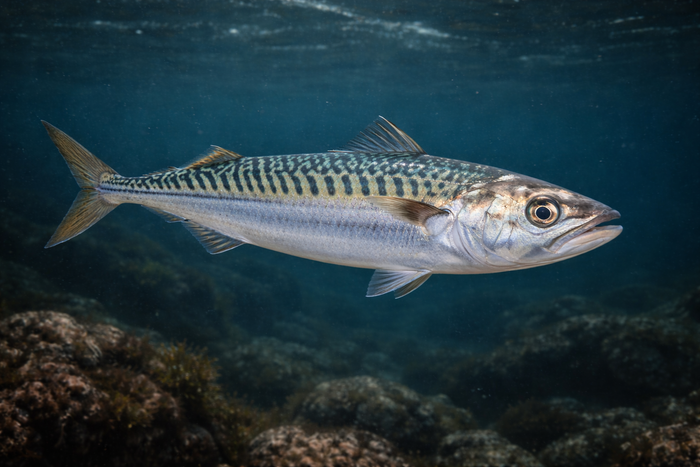
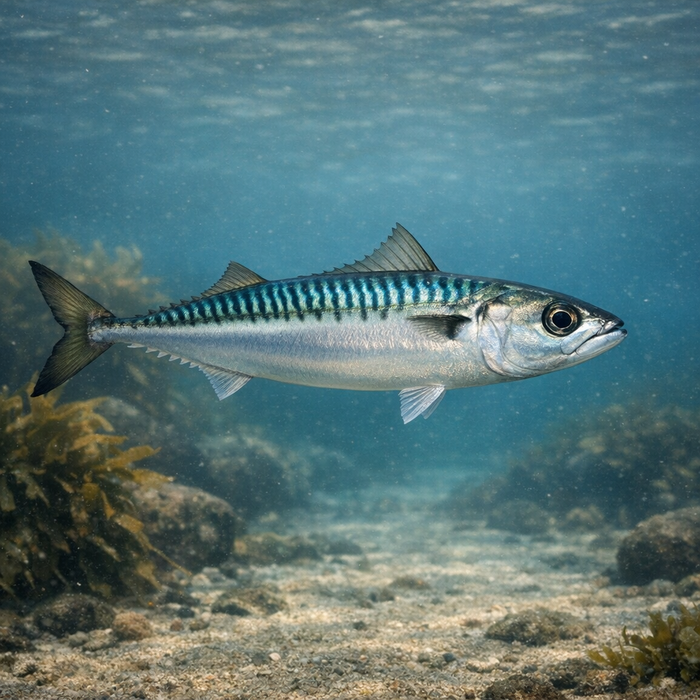
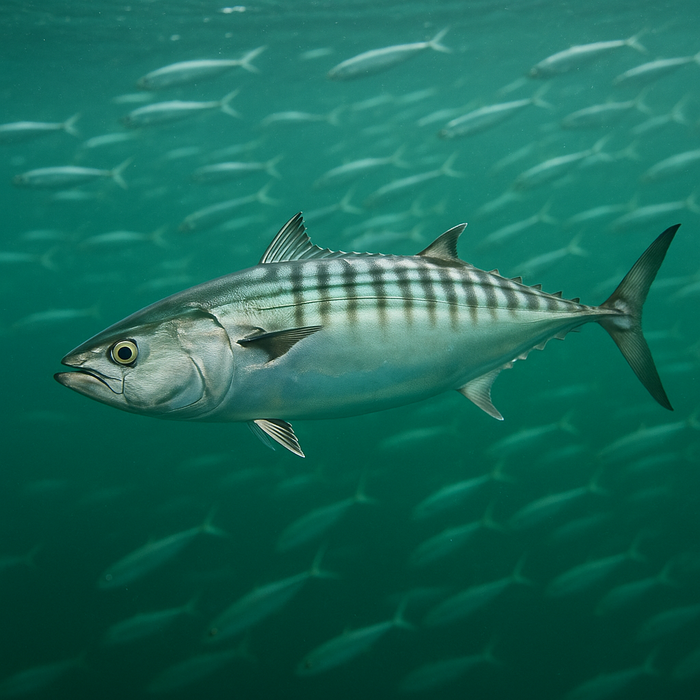
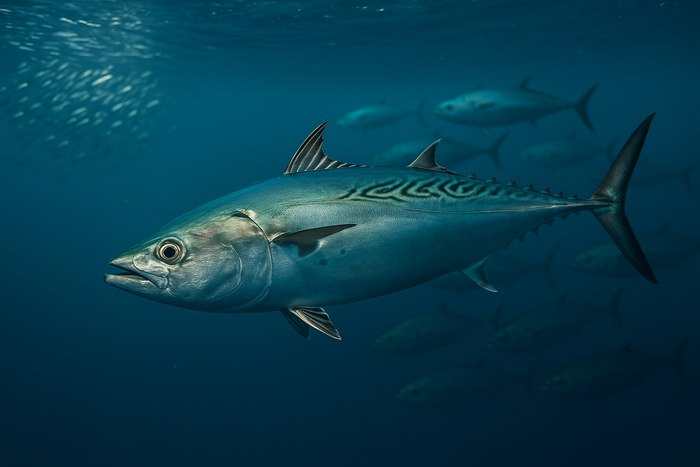
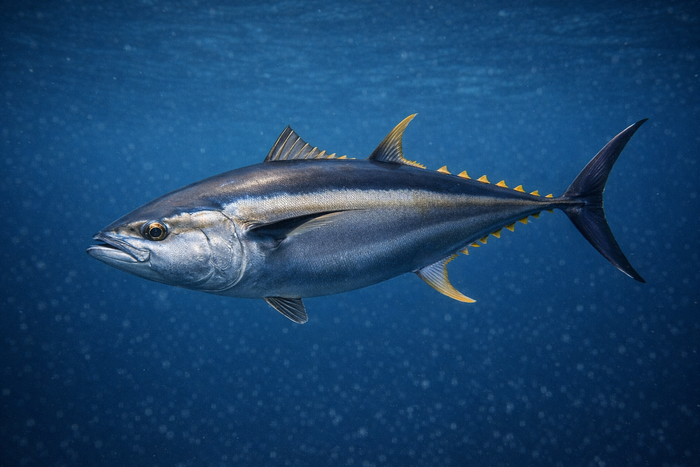
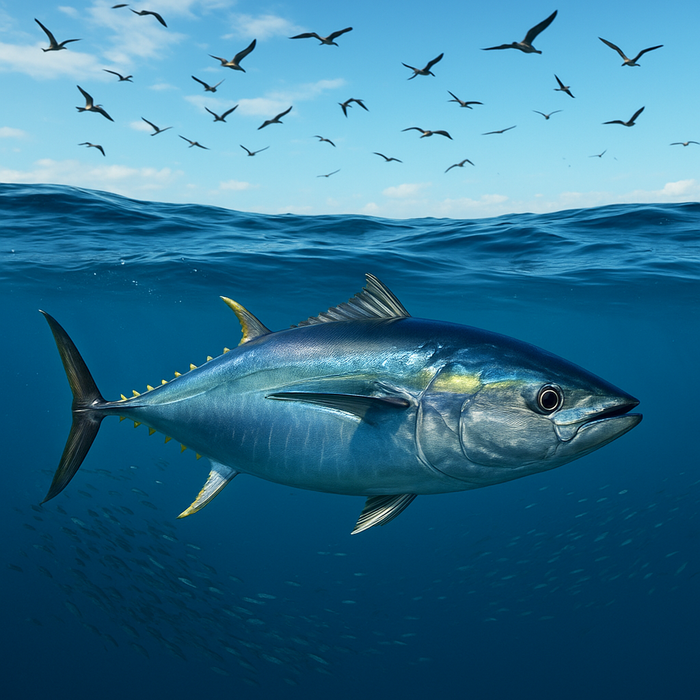
Atlantic Mackerel stands out with its streamlined body built for speed. Its iridescent blue-green back, marked with wavy black stripes, isn’t just for show—it’s camouflage against the shifting ocean surface. Unlike many fish, it has a high metabolic rate and can sustain rapid bursts of speed, making it an efficient hunter and a tricky catch. Its schooling behavior is another signature trait; these fish move in tight, coordinated groups that can number in the thousands. This schooling not only confuses predators but also optimizes their hunting efficiency.
Habitat & Global Range
The Atlantic Mackerel is a true North Atlantic native, thriving in temperate waters from the eastern coast of North America to the western coasts of Europe and North Africa. Its habitat ranges from the surface to moderate depths, often favoring coastal areas and continental shelves where food is abundant. Seasonal migrations are a hallmark of this species, moving northward in spring and summer to spawn and feed, then retreating southward as temperatures drop. This migratory pattern is tightly linked to water temperature and plankton availability, making the Atlantic Mackerel a reliable indicator of ocean health and climate shifts.
Behavior & Temperament
If you want a fish that’s all about speed and survival, the Atlantic Mackerel fits the bill. It’s a highly active predator, feeding primarily on small fish, crustaceans, and plankton. Its schooling behavior is both a defensive strategy and a hunting tactic, allowing it to overwhelm prey and evade larger predators like tuna, sharks, and marine mammals. Despite its aggressive feeding habits, it’s not territorial and rarely aggressive toward humans. However, its rapid, darting movements make it a lively challenge for anglers, especially when hooked.
Ecological Importance
Atlantic Mackerel is a linchpin in the marine food web. It serves as both predator and prey, controlling populations of smaller fish and plankton while providing a vital food source for larger predators. Its role in nutrient cycling is significant; by feeding on plankton and small fish, it helps transfer energy up the food chain. The species’ schooling behavior also influences the distribution of nutrients in the water column. For commercial fisheries, Atlantic Mackerel is a cornerstone species, supporting economies and food security in many coastal communities.
Conservation & Environmental Pressures
Despite its abundance, the Atlantic Mackerel faces mounting challenges. Overfishing is the most immediate threat, with intense commercial pressure risking population declines if not managed properly. Environmental changes, including ocean warming and acidification, are altering its habitat and migratory patterns. These shifts can disrupt spawning and feeding behaviors, potentially reducing reproductive success. Pollution and habitat degradation add further stress. Effective management strategies, including quotas and monitoring, are crucial to maintaining sustainable populations and preserving the ecological balance.
The FishyAF Take
Atlantic Mackerel is a powerhouse of the North Atlantic, combining speed, schooling smarts, and ecological significance in one sleek package. It’s a species that demands respect, whether you’re a fisherman, conservationist, or marine enthusiast. Understanding Atlantic Mackerel facts and its habitat is key to appreciating how this fish fits into the bigger ocean puzzle. Protecting it means safeguarding an entire ecosystem’s health and the livelihoods tied to it. So next time you see a flash of blue-green in the water, remember you’re witnessing one of the ocean’s most dynamic players in action.