False Albacore (Euthynnus alletteratus): The Speed Demon of Coastal Waters You Can’t Ignore
The False Albacore, also known as the little tunny, is a sleek, fast-moving pelagic fish that commands attention wherever it swims. Often mistaken for its bigger cousin, the true albacore, this species packs a punch in both speed and fight, making it a favorite among anglers and a fascinating subject for marine enthusiasts. If you’re diving into False Albacore facts, prepare to meet a fish that’s as bold as it is misunderstood.
What Makes the False Albacore Unique?
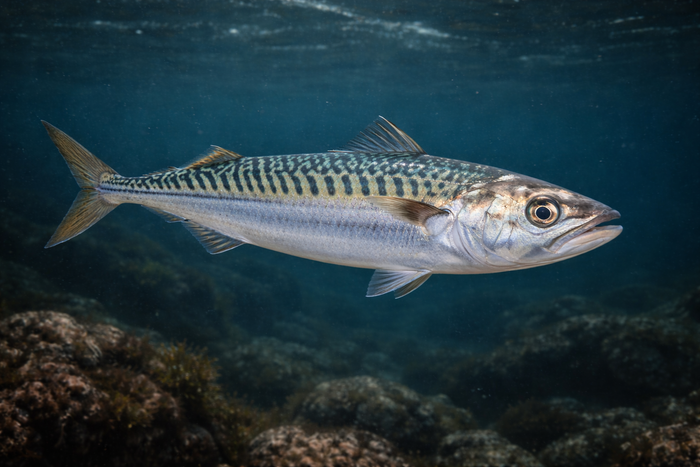
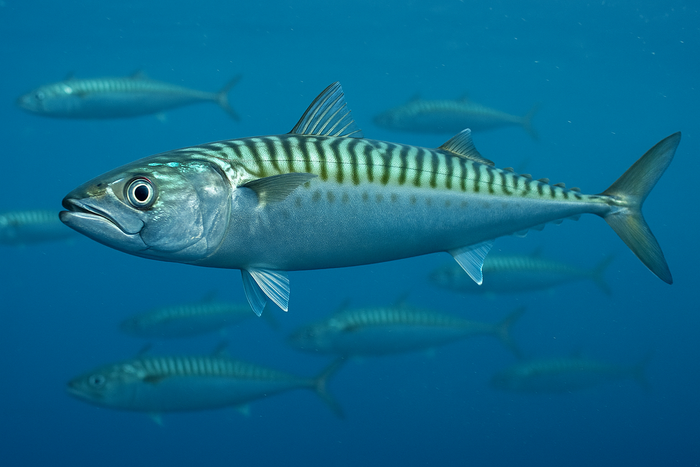
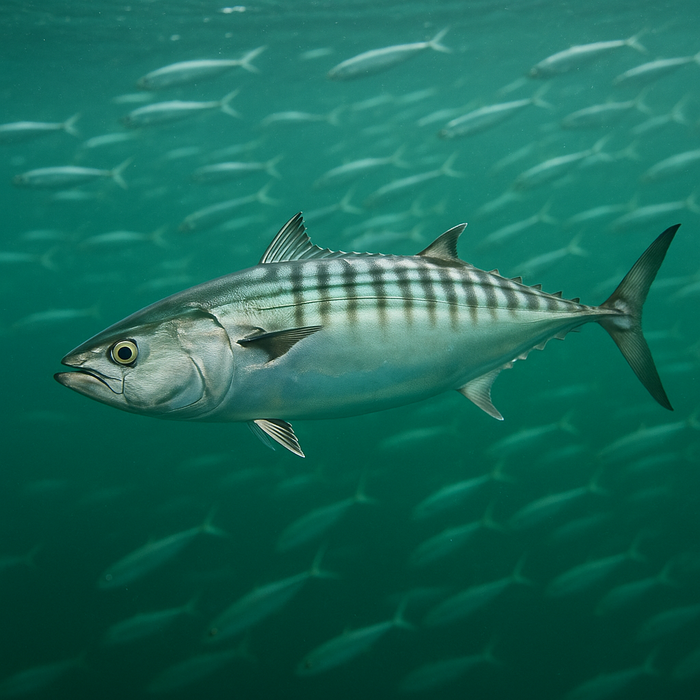
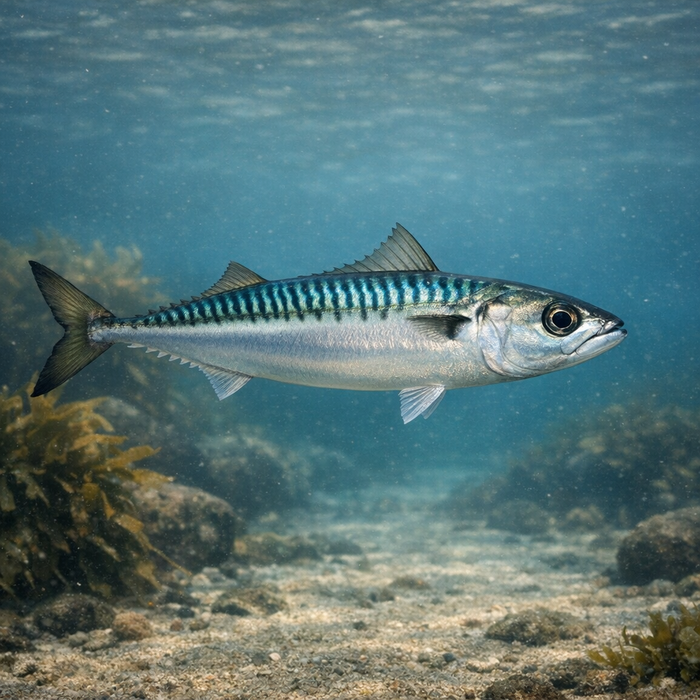
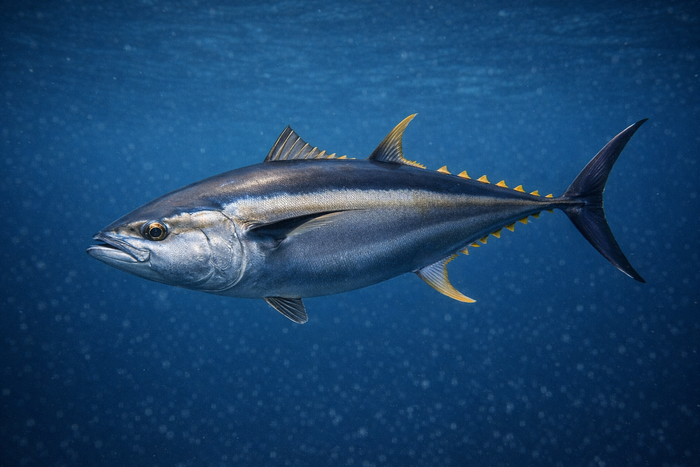
False Albacore stands out with its distinctive pattern of wavy, dark lines across its back and a series of small black spots on its sides. Unlike many tuna species, it has a more robust, torpedo-shaped body that’s built for bursts of speed rather than long-distance cruising. This fish is a master of short, explosive chases, often seen darting through bait balls with razor-sharp precision.
Its teeth are another defining feature—sharp and prominent, designed for gripping slippery prey like small fish and squid. False Albacore’s aggressive feeding style and relentless energy make it a top predator in its niche. It’s not just a look-alike; it’s a powerhouse in its own right.
Habitat & Global Range
False Albacore habitat spans warm temperate and tropical waters of the Atlantic Ocean, including the western Atlantic from Massachusetts down to Brazil, and the eastern Atlantic along the coasts of Europe and Africa. This species prefers coastal and nearshore environments, often found around estuaries, bays, and continental shelves.
Unlike some tuna that roam the open ocean, False Albacore sticks closer to shorelines, thriving in waters where baitfish congregate. This preference for coastal waters means it’s more accessible to recreational fishers but also more exposed to human impacts. Seasonal migrations are common, with movements influenced by water temperature and prey availability.
Behavior & Temperament
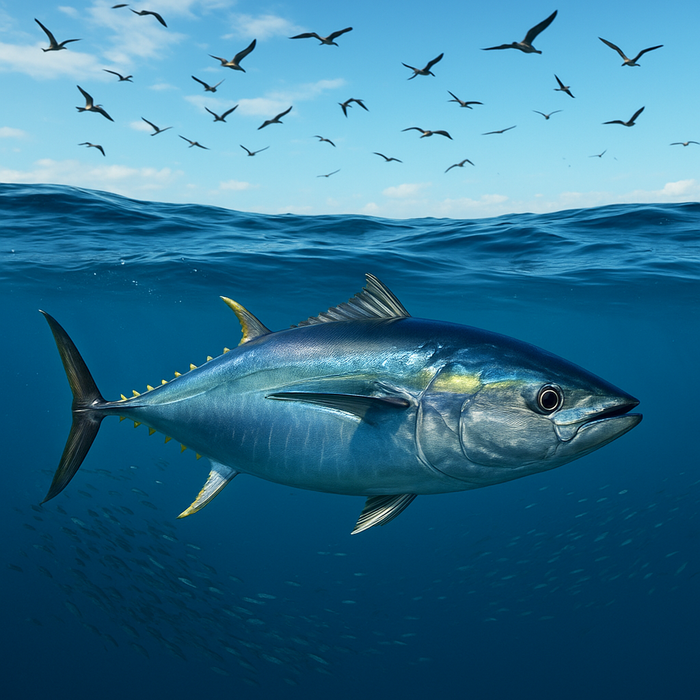
False Albacore is a high-energy hunter, known for its aggressive and relentless pursuit of prey. It often hunts in schools, coordinating attacks on schools of smaller fish like menhaden, sardines, and anchovies. This schooling behavior not only increases hunting efficiency but also provides some protection against larger predators.
When hooked, False Albacore is a fighter. It’s known for explosive runs, acrobatic leaps, and stubborn resistance, making it a thrilling catch. Despite its aggressive feeding habits, it’s not a territorial fish and tends to avoid unnecessary conflicts outside of feeding or spawning periods.
Ecological Importance
False Albacore plays a crucial role in coastal marine ecosystems as both predator and prey. By feeding on smaller schooling fish and squid, it helps regulate those populations, maintaining a balance that supports healthy food webs. Its presence indicates a robust ecosystem, as it relies on abundant baitfish and clean coastal waters.
Additionally, False Albacore serves as prey for larger pelagic predators such as sharks, billfish, and larger tuna species. This dual role cements its position as a vital link in the marine food chain, influencing energy flow and nutrient cycling in its habitat.
Conservation & Environmental Pressures
While False Albacore is not currently listed as endangered, it faces several environmental pressures that could impact populations. Coastal development, pollution, and habitat degradation threaten the nearshore environments it depends on. Overfishing, both targeted and incidental, also poses risks, especially as demand for sport and commercial catches grows.
Climate change adds another layer of complexity, potentially shifting False Albacore habitat ranges and affecting prey availability. Monitoring and sustainable management practices are essential to ensure this species remains abundant and resilient in the face of these challenges.
The FishyAF Take
False Albacore is a fish that demands respect. It’s not just a lesser albacore; it’s a distinct species with unique behaviors, habitat preferences, and ecological roles. For anglers, it offers a high-adrenaline experience that few coastal fish can match. For conservationists, it’s a reminder that nearshore ecosystems are delicate and worth protecting.
Understanding False Albacore facts and habitat nuances is key to appreciating this fish beyond its name. It’s a coastal predator that thrives on speed, aggression, and opportunism—a true testament to the dynamic nature of marine life. Keep an eye out for this fast-moving fighter next time you’re nearshore. It’s a fish that won’t let you forget it.