Atlantic Chub Mackerel (Scomber colias): The Speed Demon of the Open Atlantic
The Atlantic Chub Mackerel is no wallflower of the sea. Sporting a sleek, torpedo-shaped body and a pattern of wavy stripes, this fish is built for speed and endurance. A staple in commercial fisheries and a favorite among anglers, the Atlantic Chub Mackerel is a powerhouse species that punches well above its weight in both ecological and economic terms. If you want to understand a fish that’s as vital to ocean ecosystems as it is to dinner plates, this is your catch.
What Makes the Atlantic Chub Mackerel Unique?
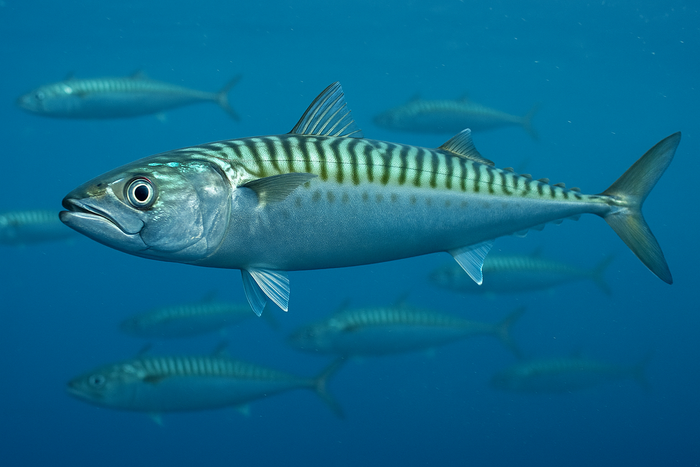
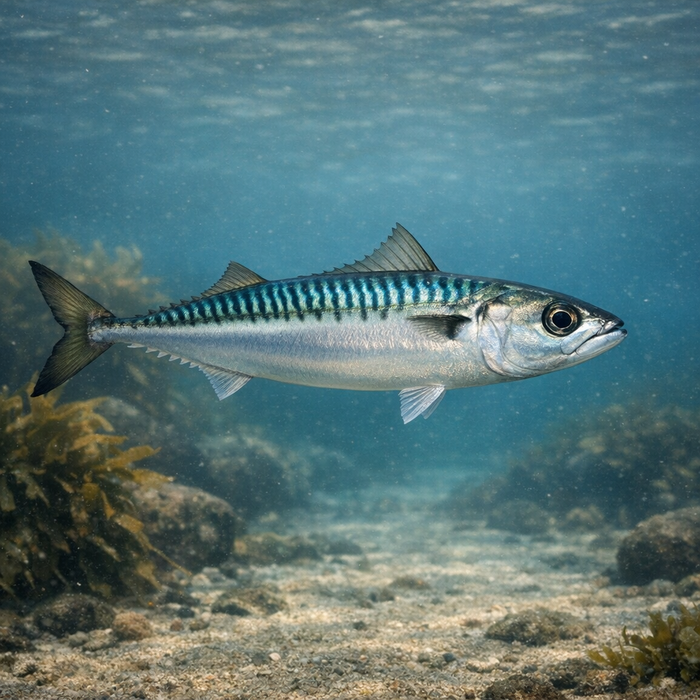
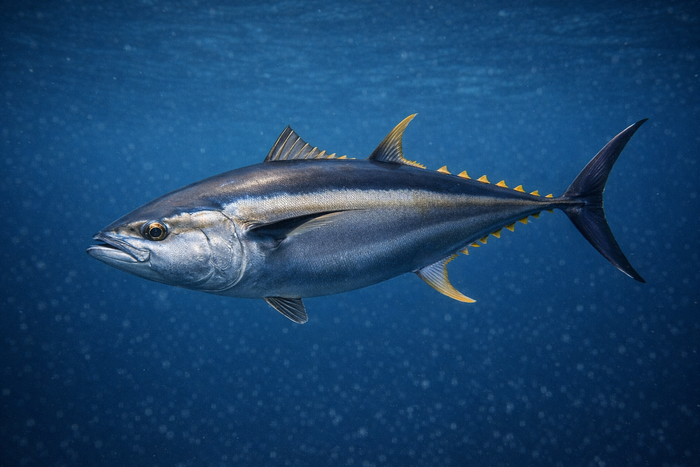
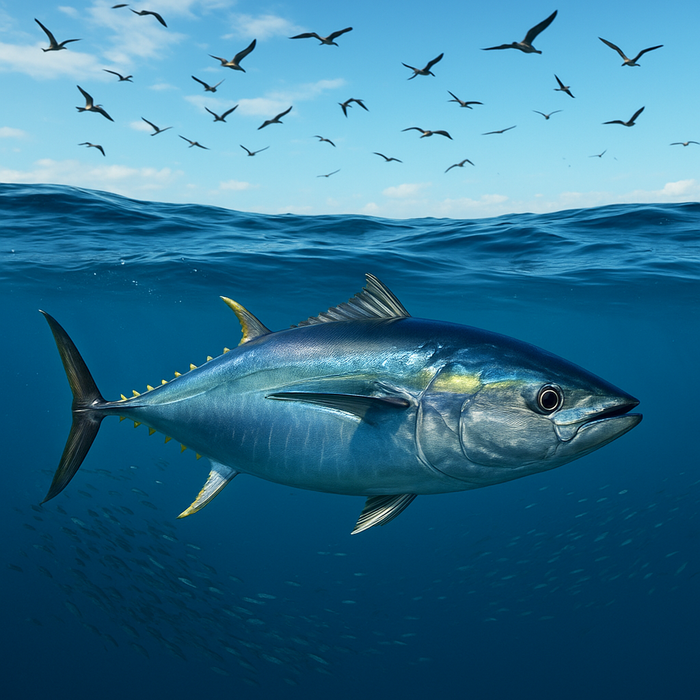
Unlike its close cousin, the Atlantic mackerel (Scomber scombrus), the Atlantic Chub Mackerel features a more robust body and a distinctive chubby profile—hence the name. Its coloration is a striking mix of iridescent blues and greens on the back, fading into silvery sides and belly, with those signature wavy stripes running along the upper body. This fish is a master of sustained swimming, capable of rapid bursts and long migrations. Its physiology is optimized for efficiency, with a streamlined shape and powerful muscles that keep it cruising through the water column.
Atlantic Chub Mackerel facts include its schooling behavior, which is not just a social quirk but a survival strategy. Large, dense schools confuse predators and increase foraging success. These fish are opportunistic feeders, snapping up plankton, small crustaceans, and juvenile fish with lightning speed. Their sharp teeth and fast reflexes make them formidable hunters despite their modest size.
Habitat & Global Range
The Atlantic Chub Mackerel calls the temperate and subtropical waters of the Atlantic Ocean home, with a range stretching from the eastern coast of North America down to the Gulf of Mexico, and across to the western coasts of Europe and Africa. They prefer the epipelagic zone—the upper 200 meters of the ocean—where sunlight fuels plankton blooms, their primary food source.
Atlantic Chub Mackerel habitat is characterized by open waters, often near continental shelves and coastal upwellings where nutrients concentrate. These fish are highly migratory, following seasonal temperature shifts and food availability. They can be found from nearshore waters to offshore depths, adapting to a variety of marine environments but always favoring areas rich in prey.
Behavior & Temperament
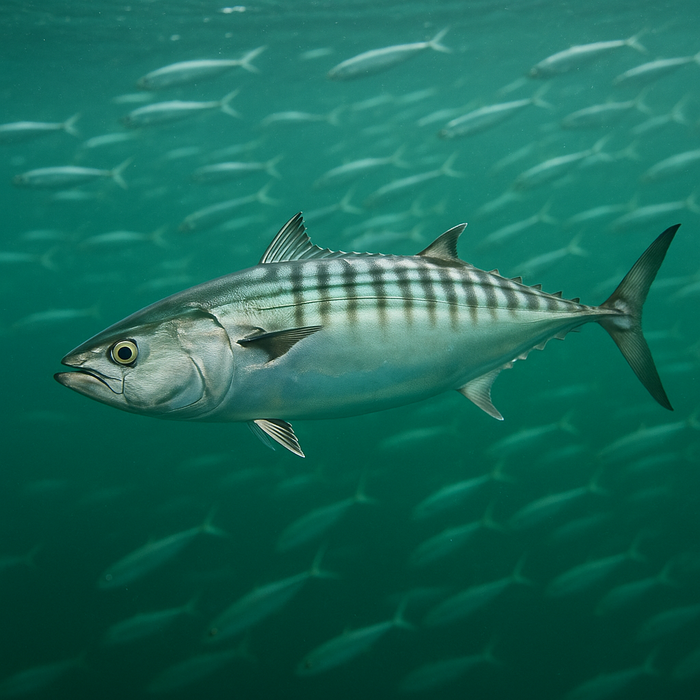
Schooling is the name of the game for Atlantic Chub Mackerel. These fish form massive, synchronized groups that move as one, a spectacle of fluid motion that’s both a defense mechanism and a hunting tactic. Their collective behavior reduces individual risk from predators like tuna, sharks, and seabirds.
They are fast swimmers, capable of bursts that outpace many predators, but they rely heavily on numbers and agility rather than brute strength. Their feeding behavior is aggressive and opportunistic, often chasing down swarms of plankton or darting after smaller fish. Atlantic Chub Mackerel are also known for their diel vertical migrations—ascending to surface waters at night to feed and descending during the day to avoid predators.
Ecological Importance
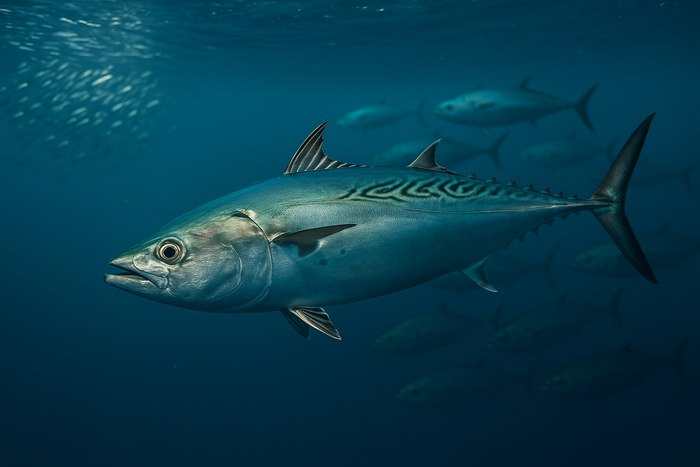
The Atlantic Chub Mackerel is a crucial link in the marine food web. As mid-trophic level predators, they convert plankton and small fish into a form digestible by larger predators. Their abundance supports a wide range of species, from commercially valuable fish like tuna and swordfish to marine mammals and seabirds.
They also play a role in nutrient cycling. By feeding in surface waters and excreting waste at depth, they help transport nutrients vertically through the water column, contributing to ocean productivity. Their schooling behavior influences the distribution and behavior of both prey and predators, shaping the dynamics of entire ecosystems.
Conservation & Environmental Pressures
Despite their numbers, Atlantic Chub Mackerel face pressures from overfishing, habitat degradation, and climate change. They are targeted by commercial fisheries for human consumption and as baitfish, which can lead to localized population declines if not managed properly.
Changes in ocean temperature and chemistry affect their migratory patterns and spawning success. Pollution and habitat disruption near coastal areas can reduce the availability of plankton and juvenile habitats, impacting recruitment rates. Sustainable management practices and monitoring are essential to maintain healthy populations and the ecological balance they support.
The FishyAF Take
The Atlantic Chub Mackerel is a fish that demands respect. It’s fast, efficient, and integral to the health of Atlantic marine ecosystems. Understanding Atlantic Chub Mackerel facts and habitat is key to appreciating how this species fits into the bigger ocean picture. It’s not just bait or a commercial commodity—it’s a linchpin species that keeps the ocean’s gears turning.
For anglers and conservationists alike, the Atlantic Chub Mackerel offers a lesson in resilience and adaptation. It thrives in a dynamic environment, yet remains vulnerable to human impact. Protecting this species means safeguarding a vital piece of the Atlantic’s biological puzzle. So next time you see a school of these shimmering speedsters slicing through the water, remember you’re witnessing a masterclass in marine survival and ecological balance.