Bluefin Tuna (Thunnus thynnus): The Ocean’s High-Speed, High-Stakes Predator
The Bluefin Tuna is not just another fish in the sea. It’s the heavyweight champion of the open ocean, a sleek, powerful predator that commands respect from fishermen and marine biologists alike. Known for its incredible speed, massive size, and prized meat, the Bluefin Tuna has carved out a reputation as both a culinary treasure and a conservation challenge. If you want to understand what makes this species a standout in the marine world, buckle up. This is Bluefin Tuna 101.
What Makes the Bluefin Tuna Unique?
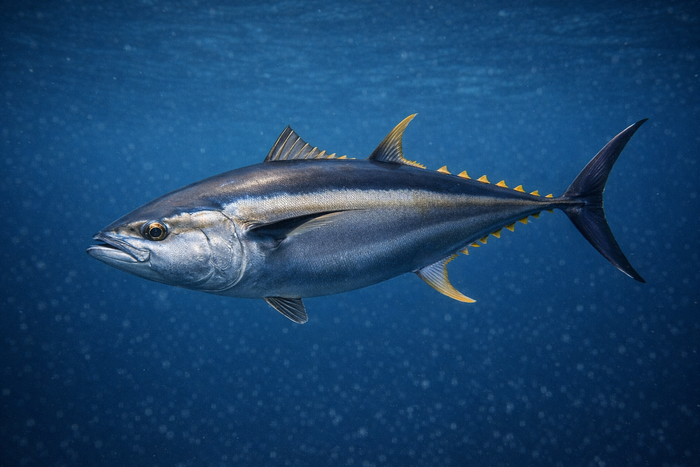
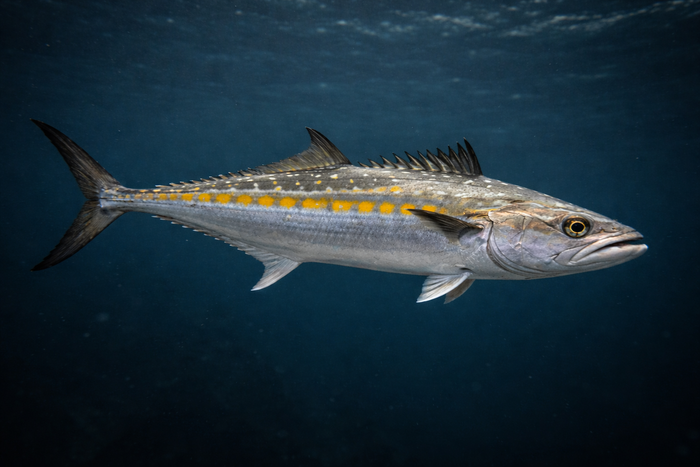
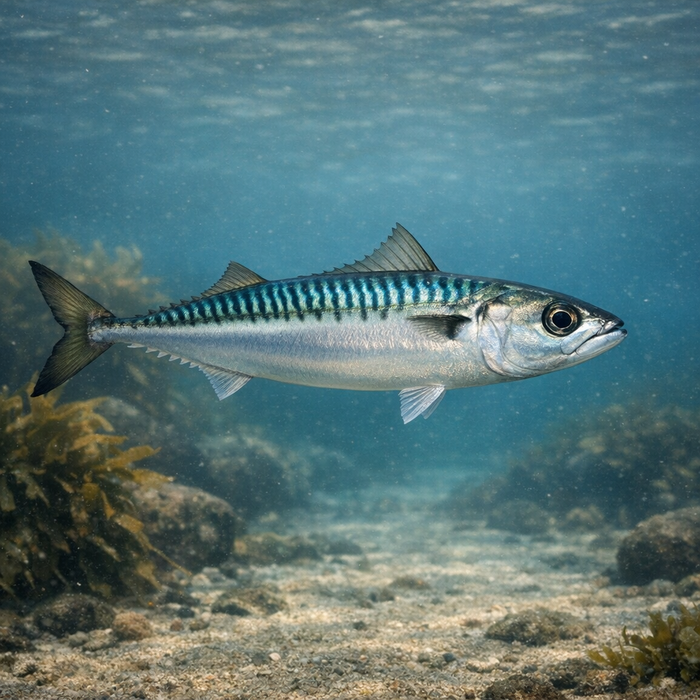
Bluefin Tuna are the Ferraris of the fish world. They can cruise at speeds up to 40 miles per hour, thanks to a streamlined body built for efficiency and bursts of power. Unlike most fish, Bluefin Tuna are warm-blooded, allowing them to maintain elevated body temperatures in cold waters. This biological edge lets them hunt in deep, chilly environments where other fish would slow down.
Their size is another headline grabber. Adult Bluefin Tuna can weigh over 1,000 pounds and stretch more than 10 feet long. This makes them one of the largest bony fish on the planet. Their muscular build and crescent-shaped tail fin are designed for endurance and speed, enabling long migrations across oceans.
Bluefin Tuna also have a unique physiology that supports their predatory lifestyle. Their eyes are large and adapted for spotting prey in dim light, and their jaws are lined with sharp teeth perfect for gripping slippery fish and squid. This combination of speed, size, and sensory adaptation makes them apex predators in their environment.
Habitat & Global Range
Bluefin Tuna have a cosmopolitan presence, found in the Atlantic Ocean, Mediterranean Sea, and parts of the Pacific. Their habitat spans temperate and subtropical waters, often migrating thousands of miles between feeding grounds and spawning sites. This wide-ranging Bluefin Tuna habitat is a testament to their adaptability and endurance.
They prefer offshore waters but can also be found near continental shelves and around islands. Seasonal migrations are a hallmark of their life cycle, with Bluefin Tuna moving to warmer waters to spawn and cooler, nutrient-rich areas to feed. This migratory behavior is crucial for their survival but also complicates conservation efforts, as they cross multiple international waters.
Behavior & Temperament
Bluefin Tuna are solitary hunters but can form schools during feeding or spawning seasons. Their behavior is a mix of stealth and aggression. They use bursts of speed to ambush prey, relying on quick reflexes and powerful muscles to capture fast-moving fish like mackerel and herring.
Despite their size and power, Bluefin Tuna are surprisingly agile. They can make sharp turns and rapid ascents or descents in the water column. This agility helps them evade predators like sharks and orcas, though adult Bluefin have few natural threats.
Their temperament is not exactly friendly. They are wild, fast, and focused on survival. Bluefin Tuna don’t tolerate captivity well, which is why farming them is a complex and controversial endeavor. Their high metabolic rate demands constant feeding and large swimming spaces, making them difficult to keep in aquaculture settings.
Ecological Importance
Bluefin Tuna play a critical role in marine ecosystems as apex predators. By regulating populations of smaller fish and squid, they maintain balance in the food web. Their presence influences the distribution and behavior of prey species, which in turn affects the broader ecological community.
Their migratory patterns also contribute to nutrient cycling across ocean regions. As they move between feeding and spawning grounds, they transport energy and nutrients, supporting diverse marine life along the way.
Losing Bluefin Tuna populations would ripple through ocean ecosystems, potentially leading to overpopulation of prey species and the decline of species that rely on balanced food chains. Their ecological importance cannot be overstated.
Conservation & Environmental Pressures
Bluefin Tuna face significant threats from overfishing, habitat degradation, and climate change. Their high market value, especially in sushi and sashimi markets, has driven intense fishing pressure for decades. This demand has led to dramatic population declines, pushing some Bluefin stocks to the brink of collapse.
Illegal, unreported, and unregulated fishing exacerbates the problem, undermining conservation efforts. Additionally, climate change alters ocean temperatures and currents, disrupting Bluefin Tuna habitat and migratory routes.
Efforts to protect Bluefin Tuna include international fishing quotas, marine protected areas, and improved monitoring. However, enforcement remains inconsistent, and recovery is slow. Sustainable management of Bluefin Tuna populations is critical to preserving both the species and the fisheries that depend on them.
The FishyAF Take
Bluefin Tuna are the ultimate ocean athletes—fast, powerful, and built for a high-stakes life in the open sea. Their unique biology and behavior make them fascinating subjects for study and awe-inspiring targets for fishing. But their very success has made them vulnerable to human exploitation.
Understanding Bluefin Tuna facts and their habitat is essential for anyone serious about marine conservation or sustainable fishing. These fish are not just commodities; they are keystone players in ocean ecosystems. Protecting them requires global cooperation, strict regulation, and a commitment to long-term sustainability.
If you want to keep seeing Bluefin Tuna slicing through the waves for generations to come, it’s time to get serious about how we manage and protect this iconic species. The ocean’s speed demon deserves nothing less.