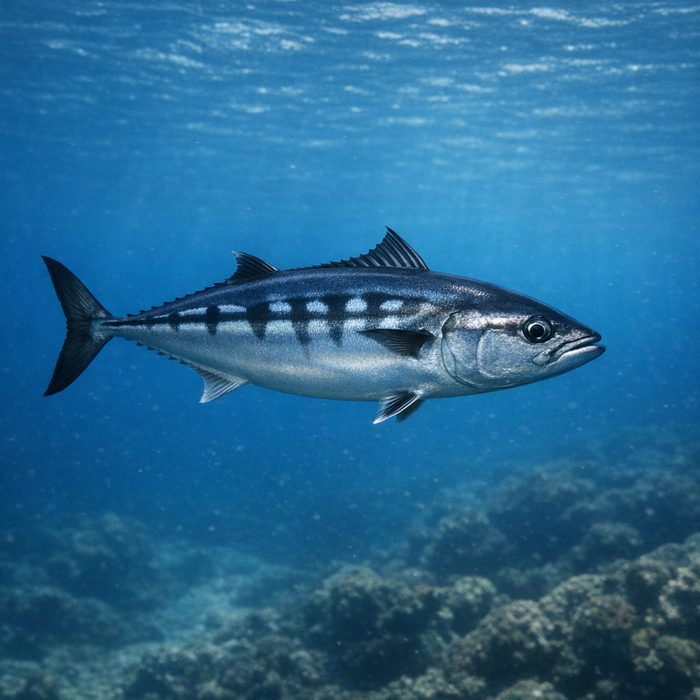
Bonito (Sarda sarda): The Speed Demon of the Sea That Commands Respect
Bonito, scientifically known as Sarda sarda, is a sleek, fast-moving predator that commands attention wherever it swims. This member of the mackerel family is a staple in both commercial and recreational fishing circles, prized for its fighting spirit and culinary value. If you’re diving into Bonito facts, expect a fish that’s as fascinating in behavior as it is in appearance. It’s not just another tuna lookalike; Bonito brings its own swagger to the marine world.
What Makes the Bonito Unique?
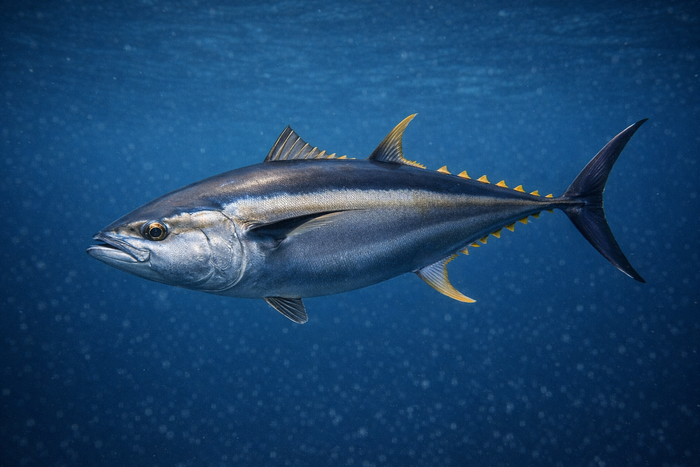
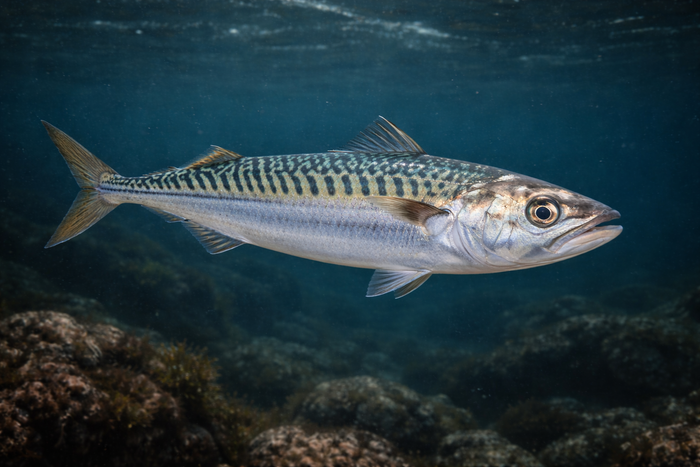
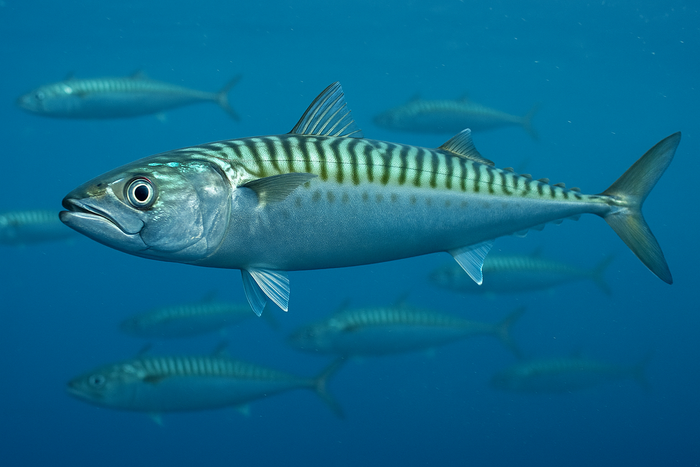
Bonito stands out with its streamlined, torpedo-shaped body designed for speed and agility. Unlike its larger cousins in the tuna family, Bonito boasts distinctive dark, wavy stripes running along its back, giving it a zebra-like pattern that’s hard to miss. Its powerful tail and muscular build allow it to burst through the water at impressive speeds, making it a formidable hunter.
What really sets Bonito apart is its role as a mid-level predator. It feeds aggressively on smaller fish, squid, and crustaceans, using sharp teeth and quick reflexes to snatch prey. This fish is a master of short, explosive chases rather than long-distance endurance swimming. Its schooling behavior also adds a tactical edge, allowing groups to herd prey and confuse predators.
Habitat & Global Range
Bonito habitat spans temperate and subtropical waters of the Atlantic Ocean, Mediterranean Sea, and parts of the Pacific. They prefer coastal and offshore waters, often found near the surface where baitfish are abundant. Bonito are migratory, following warm currents and seasonal food availability, which means their presence can be somewhat unpredictable but always exciting for anglers.
They thrive in waters ranging from 15 to 25 degrees Celsius, favoring areas with strong currents and upwellings that bring nutrients to the surface. This environment supports the dense schools of smaller fish that Bonito depends on. Their adaptability to different marine conditions makes them a resilient species, capable of thriving in both open ocean and nearshore environments.
Behavior & Temperament
Bonito behavior is a study in efficiency and aggression. These fish are fast, fearless hunters that rely on speed and teamwork. They often form schools, which can number in the hundreds, to increase hunting success and reduce individual risk from larger predators like sharks and larger tunas.
Their temperament is aggressive but not reckless. Bonito strike with precision and retreat quickly if the situation turns dangerous. This makes them a challenging catch for sport fishermen, who prize the Bonito’s explosive runs and stubborn fight. They are also known for their curious nature, sometimes investigating boats and lures with boldness that borders on audacity.
Ecological Importance
Bonito plays a crucial role in marine ecosystems as both predator and prey. By feeding on smaller fish and invertebrates, they help regulate populations of these species, maintaining balance in the food web. Their predation pressure can influence the behavior and distribution of baitfish, which in turn affects larger predators.
As prey, Bonito supports a range of larger marine animals, including sharks, dolphins, and larger tunas. This dual role makes them a vital link in oceanic food chains, contributing to the overall health and stability of their habitats. Understanding Bonito facts is essential for grasping the dynamics of coastal and pelagic ecosystems.
Conservation & Environmental Pressures
Despite their resilience, Bonito face environmental pressures that could impact their populations. Overfishing is a significant concern, especially in regions where Bonito are targeted heavily for commercial and recreational purposes. Their schooling nature makes them vulnerable to net fishing techniques that can quickly deplete local stocks.
Climate change also poses a threat by altering ocean temperatures and currents, potentially disrupting Bonito habitat and migratory patterns. Pollution and habitat degradation in coastal areas further stress populations by reducing prey availability and spawning grounds.
Sustainable fishing practices and monitoring are critical to ensuring Bonito remain abundant. Conservation efforts must balance human demand with ecological needs, preserving this species for future generations of anglers and marine ecosystems alike.
The FishyAF Take
Bonito is not just another fish in the sea; it’s a powerhouse of speed, strategy, and ecological significance. For anglers, it offers a thrilling challenge—fast runs, tough fights, and a taste that’s anything but bland. For the ecosystem, it’s a linchpin species that keeps the ocean’s food web humming.
If you want to understand the pulse of coastal and pelagic waters, start with Bonito facts and habitat. These fish are indicators of ocean health and a testament to nature’s engineering. Respect their role, fish responsibly, and appreciate the bold, memorable presence of Sarda sarda in our seas.