Pacific Barracuda (Sphyraena argentea): The Ocean’s Sleek, Silver Torpedo with Attitude
The Pacific Barracuda is not your average fish. Sleek, fast, and built for the chase, this species commands attention wherever it swims. Known scientifically as Sphyraena argentea, it’s a top-tier predator along the Pacific coastline, combining raw speed with razor-sharp instincts. If you want to understand what makes a fish a true ocean badass, the Pacific Barracuda is a prime example.
What Makes the Pacific Barracuda Unique?
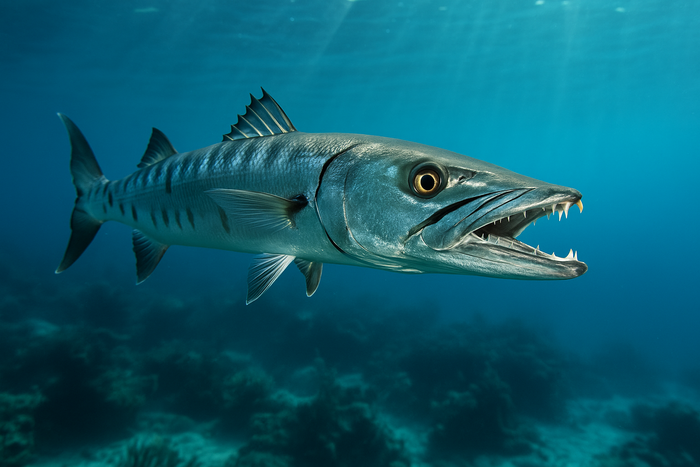
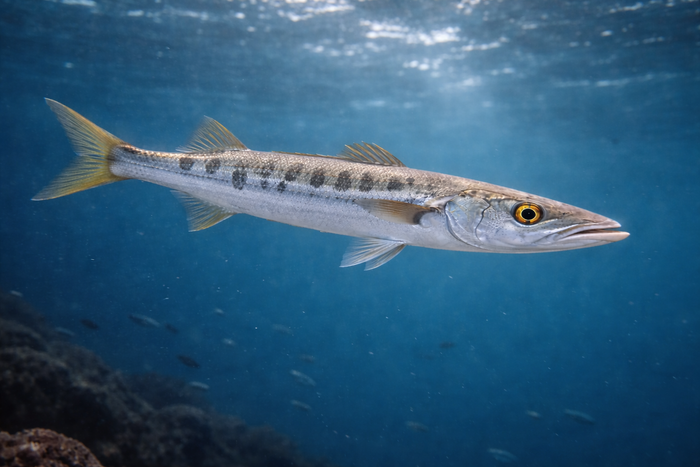
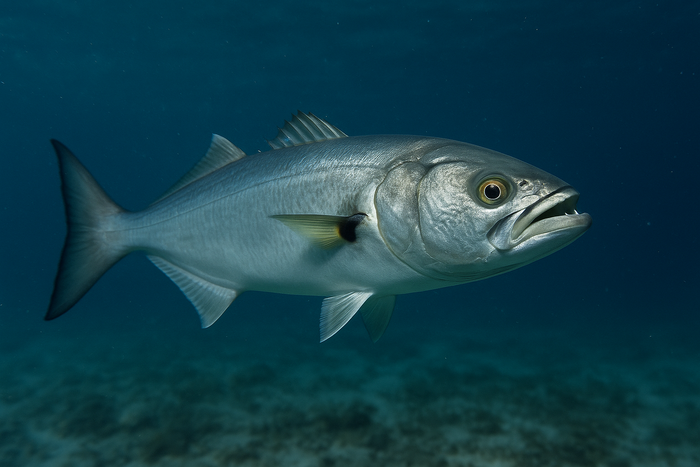
Forget subtlety. The Pacific Barracuda is a streamlined missile of muscle and teeth. Its elongated body is covered in silvery scales that shimmer like polished chrome, designed to confuse prey and predators alike. Unlike some of its barracuda cousins, this species boasts a more slender profile and a distinctive pattern of spots along its sides, giving it a signature look that’s both elegant and intimidating.
Its jaw is a weapon in itself, lined with fang-like teeth that can slice through flesh with surgical precision. This fish doesn’t just hunt; it dominates. What sets it apart further is its speed and agility. The Pacific Barracuda can accelerate rapidly, making it a formidable ambush predator. It’s not just about brute force—this fish uses cunning and bursts of speed to outmaneuver prey.
Habitat & Global Range
The Pacific Barracuda stakes its claim along the eastern Pacific Ocean, from the cool waters of California down to the warmer coasts of Central and South America. Its preferred Pacific Barracuda habitat includes coastal areas, bays, and estuaries, often near rocky reefs or kelp forests where smaller fish abound.
This species thrives in temperate to subtropical waters, typically cruising in shallow zones but capable of diving deeper when the hunt calls for it. The Pacific Barracuda’s range is a testament to its adaptability; it can handle a variety of marine environments as long as there’s ample food and cover.
Behavior & Temperament
This fish is a classic predator with a reputation for being bold and aggressive. Pacific Barracudas often hunt in small groups, coordinating attacks on schools of smaller fish. Their hunting style is a blend of patience and explosive action—they’ll stalk their prey before launching a high-speed chase.
Despite their aggressive hunting tactics, Pacific Barracudas are not mindless killers. They exhibit a level of intelligence and social behavior that’s fascinating to observe. They can be curious around divers but maintain a healthy respect for anything larger than themselves.
Their temperament can be unpredictable. While generally not a threat to humans, they are known to strike if provoked or if food is involved. This makes them a species that demands respect and caution in the water.
Ecological Importance
The Pacific Barracuda plays a critical role in maintaining the balance of coastal marine ecosystems. As a mid-level predator, it helps control populations of smaller fish, preventing any one species from dominating and disrupting the food web.
By preying on weaker or slower fish, Pacific Barracudas contribute to the overall health and genetic strength of prey populations. Their presence signals a healthy, functioning ecosystem where predator and prey coexist in dynamic equilibrium.
Moreover, they serve as prey for larger marine predators, including sharks and marine mammals, making them a vital link in the ocean’s food chain. Their ecological role underscores why protecting their populations benefits the broader marine environment.
Conservation & Environmental Pressures
Despite their prowess, Pacific Barracudas face challenges from human activity. Overfishing, habitat degradation, and pollution threaten their numbers in some regions. Coastal development can disrupt their preferred habitats, especially nursery areas critical for juvenile survival.
While not currently listed as endangered, localized declines have been reported, signaling the need for monitoring and sustainable management. Climate change adds another layer of complexity, potentially shifting their habitat range and affecting prey availability.
Conservation efforts must focus on protecting coastal habitats, regulating fishing practices, and maintaining water quality. The Pacific Barracuda’s survival depends on a balanced approach that considers both ecological needs and human interests.
The FishyAF Take
The Pacific Barracuda is a fish that demands respect. It’s a master of speed, stealth, and precision, embodying the raw power of the ocean’s coastal ecosystems. Understanding Pacific Barracuda facts reveals a species that’s more than just a flashy predator; it’s a vital player in marine food webs and a symbol of healthy ocean habitats.
If you’re diving or fishing along the Pacific coast, encountering a Pacific Barracuda is a reminder that the ocean is full of creatures built for survival and dominance. Treat them with caution, appreciate their role, and remember that this sleek silver torpedo is a testament to evolution’s knack for creating efficient, unforgettable hunters.