Flathead Gray Mullet (Mugil cephalus): The Ocean’s Relentless Recycler with a Face You Won’t Forget
Meet the Flathead Gray Mullet, a fish that’s as unassuming as it is essential. This species, Mugil cephalus, is a global citizen of coastal waters, estuaries, and even freshwater systems. It’s not flashy like a marlin or mysterious like a deep-sea anglerfish, but it’s a powerhouse in its own right. Understanding the Flathead Gray Mullet means appreciating a fish that thrives in tough environments, supports ecosystems, and even plays a role in human economies worldwide. This guide dives into the facts and nuances that make this mullet a standout in the fish world.
What Makes the Flathead Gray Mullet Unique?
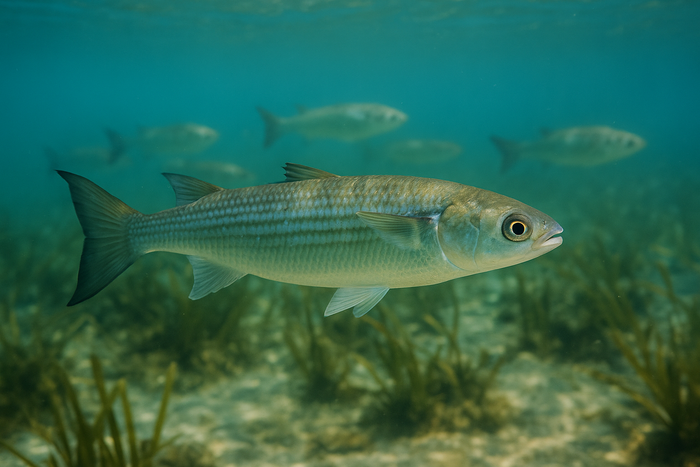
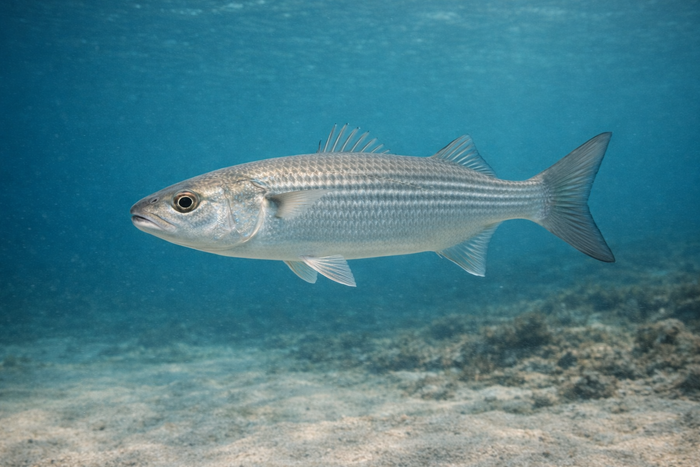
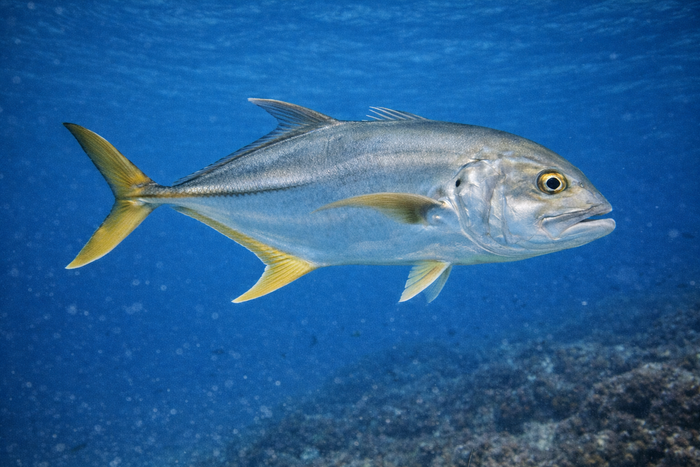
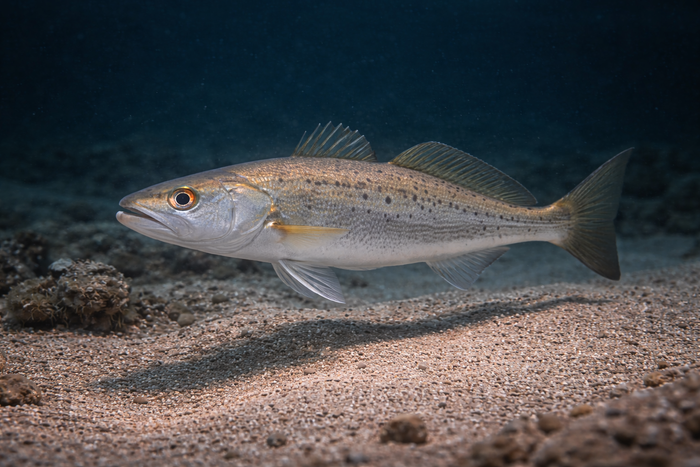
Flathead Gray Mullet stands out with its distinctive body shape and feeding habits. Its broad, flat head and silvery-gray body give it a look that’s both practical and unmistakable. Unlike many fish that chase prey, this mullet is a filter feeder and detritivore, sifting through sediment and organic matter to extract nutrients. This diet strategy is unusual for a fish of its size and habitat, making it a critical player in nutrient cycling.
Another unique trait is its remarkable adaptability. The Flathead Gray Mullet can tolerate a wide range of salinities, from full marine saltwater to almost fresh water. This euryhaline nature allows it to colonize estuaries, lagoons, and river mouths where other species might struggle. It’s a survivor, capable of thriving in environments with fluctuating conditions.
Habitat & Global Range
The Flathead Gray Mullet has one of the broadest distributions of any coastal fish. Found in temperate and tropical waters worldwide, it inhabits coastal regions of the Atlantic, Pacific, and Indian Oceans. Its habitat spans sandy and muddy bottoms, estuaries, coastal lagoons, and even freshwater rivers and lakes.
This species prefers shallow waters but can venture into deeper coastal zones. The Flathead Gray Mullet habitat is characterized by nutrient-rich waters where organic detritus accumulates. Its ability to move between salt and fresh water environments allows it to exploit a variety of ecological niches, making it a fixture in many aquatic communities.
Behavior & Temperament
Flathead Gray Mullet are schooling fish, often seen in large groups that move in synchrony. This schooling behavior is a defense mechanism against predators and a way to optimize feeding efficiency. They are primarily diurnal feeders, actively sifting through sediments during daylight hours.
Despite their schooling nature, these mullets are not aggressive. They exhibit a calm temperament, focusing on filtering food rather than chasing or fighting. Their feeding method involves sucking up sediment and filtering out organic particles, which means they spend a lot of time near the bottom or in mid-water zones where detritus is abundant.
Ecological Importance
The Flathead Gray Mullet is an ecological workhorse. By feeding on detritus and algae, it helps recycle nutrients within coastal ecosystems. This recycling supports primary production and maintains water quality by preventing the buildup of organic waste.
Moreover, mullets serve as a vital food source for a range of predators, including larger fish, birds, and marine mammals. Their schooling behavior makes them an accessible and reliable prey item, linking lower trophic levels to higher ones.
In addition to their role in natural ecosystems, Flathead Gray Mullet contribute to aquaculture and fisheries around the world. They are harvested for food, bait, and even used in some regions for controlling algae in fish farms, highlighting their multifaceted value.
Conservation & Environmental Pressures
Despite their adaptability, Flathead Gray Mullet populations face pressures from habitat degradation, pollution, and overfishing. Coastal development and water pollution threaten their estuarine and lagoon habitats, which are critical for feeding and breeding.
Overfishing, particularly in regions where mullets are a staple food source, can reduce population resilience. Although the species is not currently listed as endangered, localized declines have been reported due to unsustainable fishing practices and habitat loss.
Climate change adds another layer of complexity. Changes in water temperature and salinity patterns could disrupt their migratory and breeding behaviors, potentially impacting population dynamics.
The FishyAF Take
Flathead Gray Mullet doesn’t get the spotlight it deserves. It’s not a trophy fish or a flashy predator, but it’s a cornerstone species in coastal ecosystems worldwide. Its unique feeding strategy and habitat flexibility make it a natural recycler, quietly maintaining the health of waters we often take for granted.
If you’re fishing for Flathead Gray Mullet facts or curious about their habitat, remember this: they are survivors and ecosystem engineers. They thrive where others falter, turning muck into meals and supporting a complex web of life. Next time you see a school of these silvery fish cruising near the shore, appreciate the hard work they do beneath the surface. The Flathead Gray Mullet is proof that sometimes the most unassuming creatures have the biggest impact.