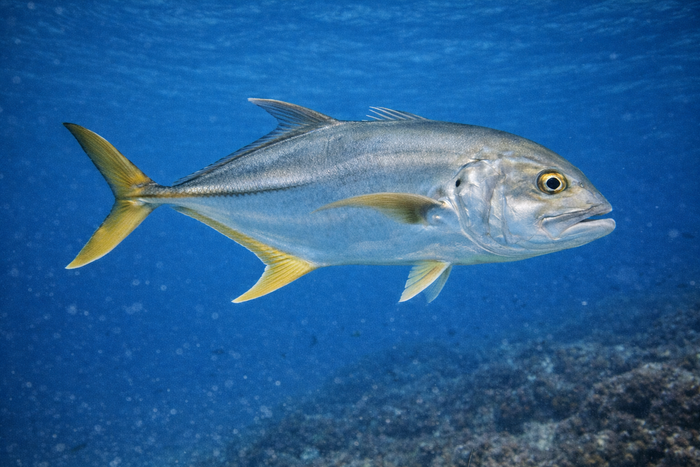
Atlantic Silverside (Menidia menidia): The Shimmering Speedster of Coastal Waters
The Atlantic Silverside is a small but striking fish that punches well above its weight in coastal ecosystems. Known for its sleek, silvery body and lightning-fast movements, Menidia menidia is a staple of Atlantic shorelines from Canada down to the southeastern United States. This species might not headline your fishing trip, but it plays a starring role in the food web and offers fascinating insights into coastal marine life. If you want a quick primer on Atlantic Silverside facts, you’re in the right place.
What Makes the Atlantic Silverside Unique?
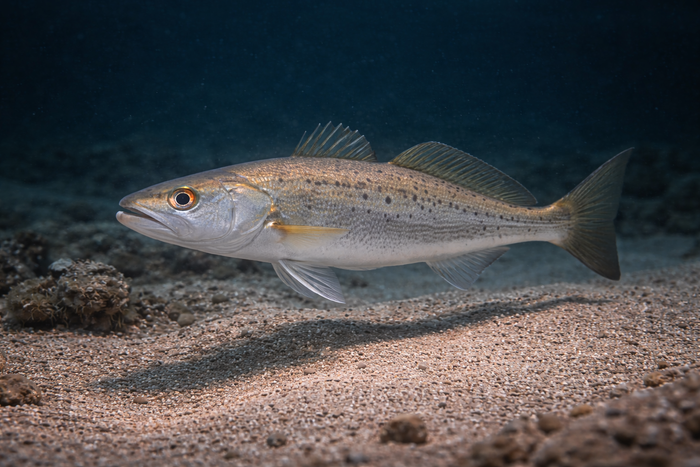
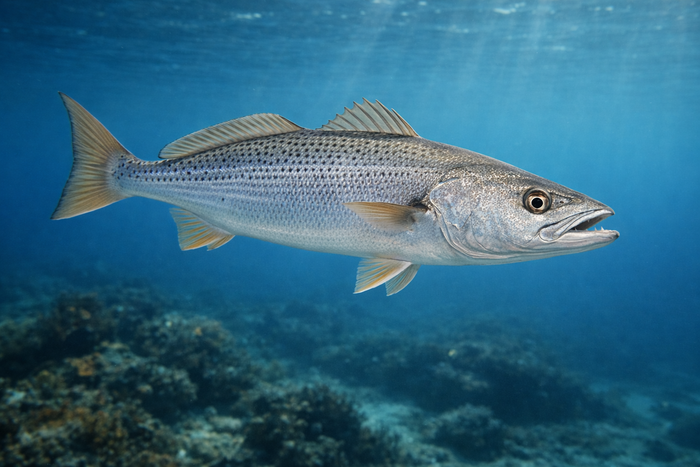
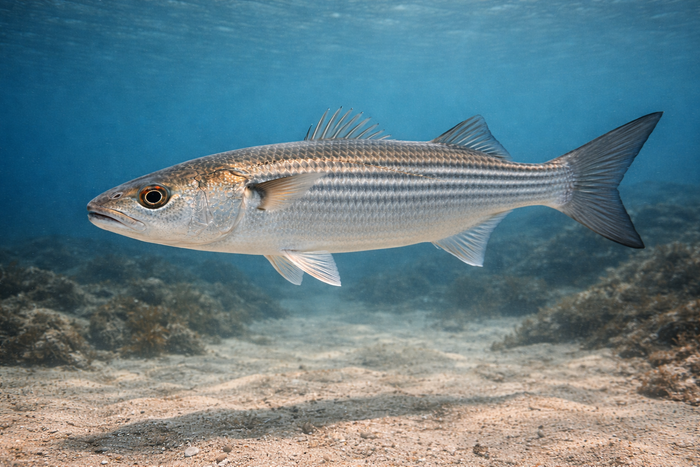
The Atlantic Silverside is a master of survival in fluctuating environments. Its most notable feature is the bright, reflective silver stripe running along each side, which isn’t just for show. This shimmering band confuses predators by reflecting light and blending with the water’s surface, making it a living optical illusion. It’s also a fish that thrives in both fresh and saltwater conditions, showing remarkable adaptability.
Unlike many small fish, the Atlantic Silverside has a rapid growth rate and a short lifespan, often living just one to two years. This fast turnover means populations can rebound quickly, but it also means the species is sensitive to sudden environmental changes. Its reproductive strategy is equally impressive: Atlantic Silversides spawn multiple times during the warmer months, releasing thousands of eggs that hatch swiftly, ensuring a steady supply of juveniles to keep the population robust.
Habitat & Global Range
The Atlantic Silverside’s habitat is a lesson in versatility. It prefers shallow coastal waters, estuaries, and tidal creeks where it can dart among seagrass beds and marsh vegetation. This fish is a true Atlantic coast resident, ranging from the cold waters of Nova Scotia all the way down to Florida. It’s not a deep-sea dweller; instead, it thrives in brackish environments where fresh and saltwater mix, making the Atlantic Silverside habitat a dynamic and sometimes challenging place to call home.
This species is often found in schools near the surface, where it feeds and avoids predators. The Atlantic Silverside’s preference for warmer, well-oxygenated waters means its distribution can shift with seasonal temperature changes. In winter, it may move to slightly deeper or more stable waters but never strays far from the coast.
Behavior & Temperament
If there’s one word to describe the Atlantic Silverside’s behavior, it’s “hyperactive.” These fish are constantly on the move, zipping through the water in tight schools that can number in the hundreds. This schooling behavior is a survival strategy, reducing individual risk from predators like larger fish and birds.
Atlantic Silversides are opportunistic feeders. They primarily consume zooplankton, small crustaceans, and algae, making them crucial links between microscopic life and larger predators. Their feeding habits help regulate plankton populations, which can have ripple effects throughout the ecosystem.
Despite their small size, Atlantic Silversides are bold. They don’t shy away from the shallows and often venture close to shorelines, making them accessible to anglers and researchers alike. Their quick reflexes and schooling tactics make them a challenge to catch, but they are not aggressive fish. They coexist peacefully with other small coastal species, contributing to a balanced aquatic community.
Ecological Importance
The Atlantic Silverside is a cornerstone species in coastal food webs. Its role as both predator and prey is vital. By feeding on plankton and tiny invertebrates, it helps maintain ecological balance and prevents algal blooms that can devastate water quality. At the same time, it serves as a primary food source for a variety of larger fish, seabirds, and even some marine mammals.
This species also contributes to nutrient cycling in estuarine environments. Its movements between different habitats help transfer energy and nutrients, supporting the productivity of coastal ecosystems. Without the Atlantic Silverside, many higher trophic levels would struggle to find sufficient food, which could cascade into broader ecosystem instability.
Conservation & Environmental Pressures
While the Atlantic Silverside is not currently listed as endangered or threatened, it faces several environmental pressures that could impact its populations. Habitat degradation is a primary concern. Coastal development, pollution, and the destruction of estuaries and marshlands reduce the available habitat for this species. Since Atlantic Silversides rely heavily on these productive zones for spawning and feeding, any loss or alteration can have immediate effects.
Climate change also poses a threat. Rising water temperatures and altered salinity patterns could shift the Atlantic Silverside habitat range and disrupt breeding cycles. Increased storm frequency and intensity may damage the shallow coastal environments they depend on.
Pollution, particularly from agricultural runoff and urban waste, can lead to oxygen depletion and harmful algal blooms, both of which are detrimental to Atlantic Silverside populations. Monitoring and protecting estuarine habitats are critical to ensuring this species continues to thrive.
The FishyAF Take
The Atlantic Silverside may not be the flashiest fish in the sea, but it’s a powerhouse of coastal ecosystems. Its shimmering silver sides and frenetic schooling behavior make it a fascinating subject for anyone interested in marine biology or coastal fishing. Understanding Atlantic Silverside facts and habitat is key to appreciating how interconnected and delicate our shorelines really are.
This fish is a reminder that even the smallest players have outsized roles in nature’s grand design. Protecting the Atlantic Silverside means protecting the entire coastal food web. So next time you’re near a tidal creek or estuary, keep an eye out for these speedy silver streaks. They’re not just bait or background noise—they’re vital threads in the fabric of Atlantic coastal life.