Silverside - Spearing (Menidia menidia): The Shimmering Speedster of Coastal Waters
The Silverside - Spearing, scientifically known as Menidia menidia, is a small but striking fish that commands attention in the shallow coastal waters of North America. Its sleek, silvery body and lightning-fast movements make it a standout species in estuaries and nearshore environments. This fish may not be a trophy catch, but it plays a crucial role in marine ecosystems and offers plenty of intrigue for anglers and biologists alike. If you want to understand the pulse of coastal food webs, you need to know the Silverside - Spearing.
What Makes the Silverside - Spearing Unique?
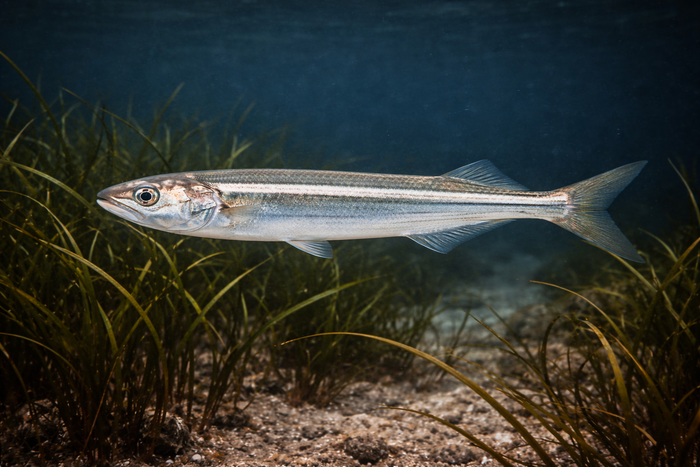
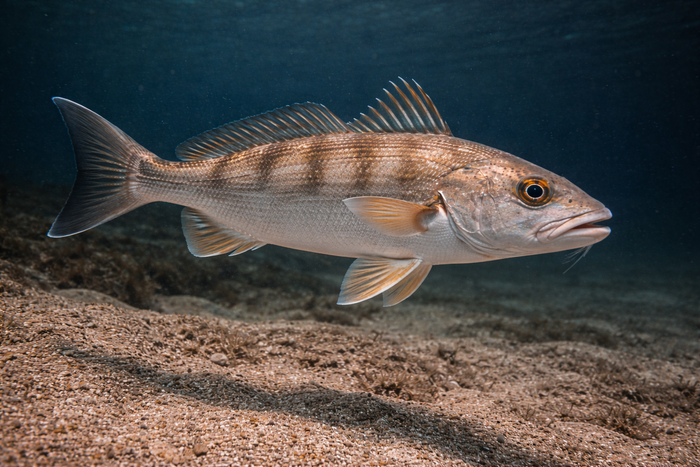
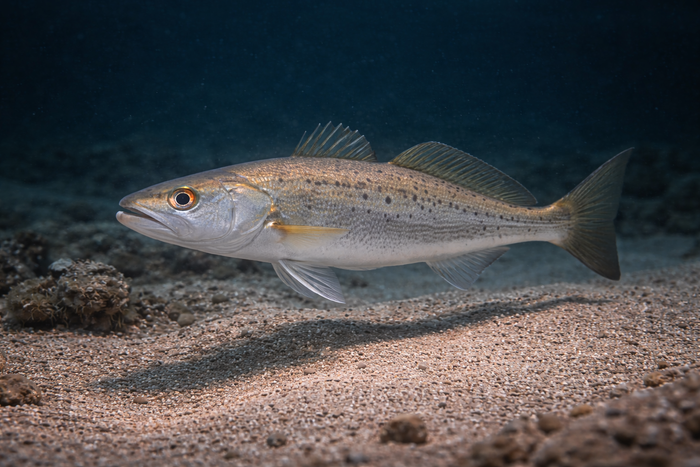
The Silverside - Spearing is not your average baitfish. Its defining feature is the brilliant silver stripe running along its side, reflecting light in a way that confuses predators and dazzles onlookers. This fish is built for speed and agility, darting through the water with precision. Unlike many small fish, it has a remarkable ability to tolerate a wide range of salinities, thriving in both brackish estuaries and nearshore marine waters.
Reproduction is another standout trait. The Silverside - Spearing spawns multiple times during the warmer months, releasing eggs that attach to submerged vegetation or debris. This reproductive strategy boosts survival rates in fluctuating environments. Its lifecycle is tightly linked to seasonal changes, making it a reliable indicator species for environmental monitoring.
Habitat & Global Range
Silverside - Spearing habitat spans the Atlantic coast of North America, from the Gulf of St. Lawrence down to the Gulf of Mexico. These fish prefer shallow, protected waters such as bays, estuaries, and tidal creeks. They thrive in areas where fresh and saltwater mix, a zone often rich in nutrients and shelter.
Their adaptability to different salinity levels is key to their success. Juveniles often inhabit freshwater or low-salinity zones, while adults move into saltier waters. This migration pattern helps them exploit diverse food sources and avoid predators. The Silverside - Spearing’s presence is a hallmark of healthy estuarine ecosystems, where it contributes to the dynamic balance of species.
Behavior & Temperament
If you’ve ever watched a school of Silverside - Spearing, you know they are the masters of synchronized swimming. These fish move in tight, coordinated groups, shifting direction instantly to evade threats. Their schooling behavior reduces individual risk and increases foraging efficiency.
They are opportunistic feeders, snapping up plankton, small crustaceans, and insect larvae. Their feeding frenzy can be a spectacle, with entire schools turning the water surface into a feeding frenzy zone. Despite their small size, they are bold and relentless, often outcompeting other small fish for resources.
Temperament-wise, Silverside - Spearing are not aggressive but are highly alert. They respond quickly to disturbances, making them a challenge for anglers using light tackle. Their speed and schooling tactics mean they rarely fall victim to predators without a fight.
Ecological Importance
The Silverside - Spearing is a cornerstone species in coastal food webs. It serves as a vital link between planktonic organisms and larger predators such as striped bass, bluefish, and seabirds. By converting microscopic plankton into a form digestible by bigger fish, it supports the entire marine ecosystem’s energy flow.
Their spawning activities also contribute to nutrient cycling in estuarine environments. Eggs and larvae provide food for a variety of invertebrates and juvenile fish, creating a cascade of ecological benefits. The health of Silverside - Spearing populations often reflects the overall condition of their habitat, making them valuable bioindicators for scientists tracking environmental change.
Conservation & Environmental Pressures
Despite their abundance, Silverside - Spearing face growing environmental pressures. Habitat loss due to coastal development, pollution, and changes in freshwater inflow threatens their spawning grounds. Estuaries, the heart of their habitat, are among the most impacted ecosystems globally.
Climate change adds another layer of complexity. Rising water temperatures and altered salinity patterns can disrupt their lifecycle timing and reduce suitable habitat. Additionally, increased sedimentation and contaminants can affect egg survival and juvenile development.
Currently, Silverside - Spearing populations are stable but require ongoing monitoring. Conservation efforts focused on protecting estuarine habitats and improving water quality will be crucial to maintaining their numbers. Their role as an ecological linchpin means their decline would ripple through coastal ecosystems with serious consequences.
The FishyAF Take
The Silverside - Spearing may not be the flashiest fish in the sea, but it’s a powerhouse of ecological significance and evolutionary finesse. Its shimmering silver side is more than just a flashy look—it’s a survival tool honed by millions of years of natural selection. This fish embodies the resilience and complexity of coastal ecosystems, thriving where fresh and saltwater collide.
For anglers, the Silverside - Spearing offers a lesson in patience and respect for the small but mighty. For conservationists, it’s a reminder that protecting the smallest players can safeguard entire food webs. If you want to understand the heartbeat of North American estuaries, start with the Silverside - Spearing. It’s a species that demands attention, not because it’s the biggest or the rarest, but because it’s essential. Knowing Silverside - Spearing facts and understanding its habitat is key to appreciating the intricate dance of life along our coasts.