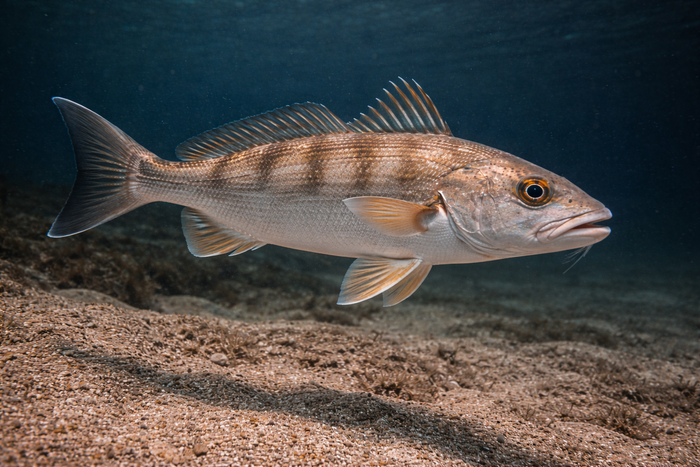
Atlantic Needlefish (Strongylura marina): The Slender Predator That Cuts Through Water Like a Dart
The Atlantic Needlefish is a sleek, elongated hunter that commands attention wherever it glides. Known scientifically as Strongylura marina, this fish is a master of stealth and speed, equipped with a needle-like jaw that’s as sharp as its reputation. It’s not just another pretty face in the marine world—this species plays a vital role in coastal ecosystems and offers a fascinating glimpse into evolutionary specialization. If you’re diving into Atlantic Needlefish facts, prepare for a deep dive into a fish that’s as intriguing as it is efficient.
What Makes the Atlantic Needlefish Unique?
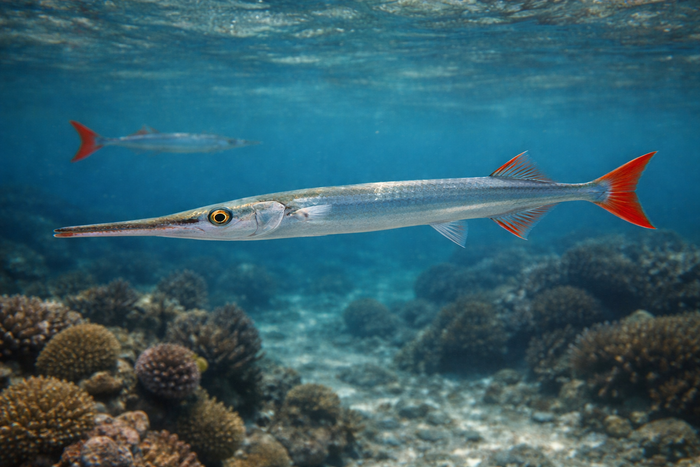
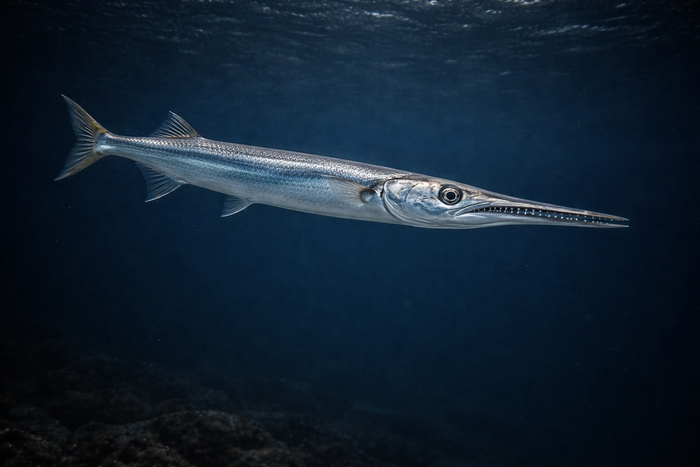
The Atlantic Needlefish stands out with its unmistakable body shape: long, slender, and almost tubular, topped with a jaw that resembles a pair of scissors. This jaw is packed with sharp teeth designed for snatching smaller fish and crustaceans with lightning speed. Unlike many predators, the Atlantic Needlefish hunts near the water’s surface, often seen darting just beneath the waves or even leaping out of the water to catch prey or evade danger.
Its body is covered in silvery scales that reflect light, making it a shimmering ghost in the water. This reflective quality isn’t just for show—it helps the fish blend into the sunlit surface, an evolutionary advantage when stalking prey or avoiding larger predators. The Atlantic Needlefish’s streamlined form reduces water resistance, allowing it to accelerate quickly and maneuver with precision.
Habitat & Global Range
Atlantic Needlefish habitat spans the western Atlantic coastline, from the temperate waters of Massachusetts down through the Gulf of Mexico and the Caribbean, all the way to northern South America. They thrive in brackish and marine environments, favoring shallow coastal waters, estuaries, lagoons, and mangrove-lined shores. These areas provide ample cover and abundant food sources.
Their preference for surface waters means they are often found in the sunlit upper layers, where they can exploit the rich biodiversity of small fish and invertebrates. The Atlantic Needlefish is also known to tolerate varying salinity levels, making estuaries a prime habitat. This adaptability is a key factor in their broad distribution and resilience in fluctuating coastal environments.
Behavior & Temperament
The Atlantic Needlefish is a solitary hunter with a reputation for being bold and fast. It uses its needle-like snout to spear or grab prey, relying on quick bursts of speed rather than ambush or camouflage. This fish is diurnal, most active during daylight hours when its silvery body can blend with the shimmering water surface.
Despite its predatory nature, the Atlantic Needlefish is not aggressive toward humans but can be surprisingly territorial with other fish. It often leaps out of the water, a behavior thought to be both a hunting tactic and an escape mechanism. This jumping can be startling to anglers and boaters, especially since the fish’s sharp jaws can cause injury if mishandled.
Atlantic Needlefish are not schooling fish; they prefer to patrol their territory alone or in loose groups during feeding frenzies. Their behavior reflects a balance between stealth and speed, making them efficient predators in their niche.
Ecological Importance
The Atlantic Needlefish plays a pivotal role in coastal food webs. As a mid-level predator, it helps regulate populations of smaller fish and invertebrates, maintaining a balance that supports overall ecosystem health. By feeding on species that might otherwise overgraze on plankton or juvenile fish, the Atlantic Needlefish indirectly supports the productivity of coastal waters.
Moreover, they serve as prey for larger predatory fish, birds, and marine mammals, linking different trophic levels. Their presence indicates a healthy, functioning coastal ecosystem, especially in estuarine environments where biodiversity is high but vulnerable.
Conservation & Environmental Pressures
While the Atlantic Needlefish is not currently listed as endangered, it faces several environmental pressures that could impact populations. Coastal development, pollution, and habitat destruction—especially in estuaries and mangroves—pose significant threats. These habitats are crucial for breeding and feeding, and their degradation can reduce the availability of food and shelter.
Climate change adds another layer of complexity, altering water temperatures and salinity patterns that affect the Atlantic Needlefish habitat. Increased storm frequency and rising sea levels can disrupt the delicate balance of coastal ecosystems where this species thrives.
Fishing pressure is generally low since the Atlantic Needlefish is not a primary target for commercial fisheries, but bycatch and habitat disturbance from recreational fishing can have localized effects. Conservation efforts focused on protecting coastal habitats and water quality are essential to ensure the long-term survival of this species.
The FishyAF Take
The Atlantic Needlefish is a prime example of evolutionary finesse—built for speed, precision, and survival in a competitive coastal arena. It’s a fish that demands respect, not just for its sleek looks but for its ecological role and adaptability. Understanding Atlantic Needlefish facts and habitat is more than trivia; it’s a window into the health of our coastal waters.
If you’re out on the water and spot a flash of silver darting beneath the surface or see a sudden leap, you’re witnessing a predator that’s both a marvel and a vital cog in the marine machine. The Atlantic Needlefish reminds us that even the slenderest players can have outsized impacts in their ecosystems. Keep an eye out for this needle-sharp hunter—it’s a fish that’s as bold as it is memorable.